

 English
 简体中文
简体中文 Русский
 Español
ZHEJIANG LUBA TRAFFIC TECHNOLOGY CO., LTD. * TRAFFIC SAFETY, WE LEAD EVERY STEP * ZHEJIANG LUBA TRAFFIC TECHNOLOGY CO., LTD. * TRAFFIC SAFETY, WE LEAD EVERY STEP * ZHEJIANG LUBA TRAFFIC TECHNOLOGY CO., LTD. * TRAFFIC SAFETY, WE LEAD EVERY STEP * ZHEJIANG LUBA TRAFFIC TECHNOLOGY CO., LTD.
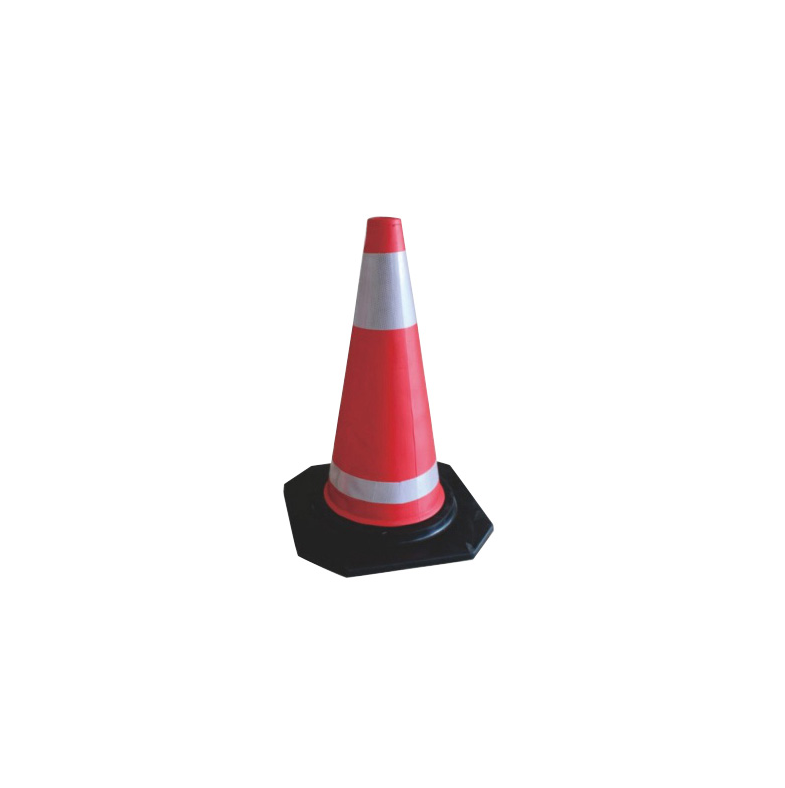
What Makes China Traffic Cone Manufacturers Competitive in Global Markets
Traffic cones are not complicated products. A cone, a base, a bright surface. That is what people usually see. But in global trade, even simple items carry pressure from demand, timing, and real use conditions. China traffic cone manufacturers sit in this space with a system that focuses on steady output and practical adjustment rather than complex design ideas.
What makes them competitive is not a single feature. It is the way production, material use, and response to buyer needs fit together in a workable rhythm.
Why do global buyers keep sourcing traffic cones from China?
Traffic cones are needed everywhere roads exist. Construction zones, parking control, maintenance work, temporary diversions. The demand is continuous but not always predictable.
Buyers often want two things at the same time. Stable supply and flexible order handling. China-based suppliers usually work within clustered production environments where materials, labor, and logistics are closely connected. This structure reduces delays and helps keep output steady.
Another practical point is order variation. Some buyers need small batches for local projects. Others place large mixed orders for distribution. The ability to switch between these scales without major disruption is one reason sourcing stays consistent.
Communication also plays a quiet role. Over time, many suppliers become familiar with different regional expectations. Small adjustments in color tone, packaging, or cone structure can be handled without major friction.
How does production flexibility shape international competitiveness?
Traffic cone demand is not uniform. A cone used in a city street may not match one used in a highway or warehouse. This is where flexibility becomes important.
In many factories, production is organized in stages that can be adjusted without rebuilding the whole process. That means changes can happen in color application, cone height, or base design without stopping the full line.
Material selection is also part of this flexibility. Different usage environments call for different surface behavior. Instead of locking into one fixed material approach, factories often switch within a controlled range.
A simple view of flexibility in production:
| Area | How it is adjusted in practice |
|---|---|
| Order size | Small and large batches handled in same system |
| Product form | Shape or base adjusted within existing line |
| Packaging | Changed depending on transport need |
| Material choice | Switched based on usage environment |
This is not about innovation for display. It is about keeping production moving while adapting to requests.
What role does material sourcing play in competitiveness?
Materials decide how a cone looks and how it behaves after use. In real conditions, cones face sunlight, rain, repeated movement, and stacking pressure. So material choice is not only about strength, but also about how stable the surface stays over time.
Factories often work with more than one material option. This helps avoid interruption when supply changes or when different regions require different performance levels.
Instead of focusing on theoretical labels, many production teams look at practical results. How does the surface look after exposure. Does the cone hold its shape after transport. Does color stay clear under mixed lighting.
These simple observations often guide decisions more than technical definitions.
How is consistency maintained during production?
Consistency matters because cones are part of visual communication on roads. If one cone looks different from another in the same area, recognition slows down.
Production lines usually follow repeated steps where each stage contributes to final appearance. Color application is carefully controlled because even small differences can affect visibility.
Shape control is another focus. A cone must stay balanced so it stands properly and remains easy to identify from different angles.
Surface finishing helps keep appearance stable after production. It smooths out small irregularities and supports clearer light response.
The process is less about strict automation and more about repetition with checks along the way.
How do manufacturers adjust to different environments?
Traffic cones are used in many places. Roads, parking lots, factories, warehouses, and temporary event areas. Each environment changes how the cone is seen.
In open roads, distance matters. On-site visibility must work from far away. In indoor or tight areas, recognition happens at closer range with more visual noise around.
Weather also changes requirements. Outdoor cones face sunlight, moisture, and dust. Indoor cones may deal with reflective floors or artificial lighting.
Because of this, adjustments are usually small but meaningful. A slight change in surface finish or base stability can shift how the cone performs in use.
Typical usage differences:
- Road work areas focus on long-distance recognition
- Construction sites need clear boundary marking
- Indoor logistics spaces need stable placement
- Temporary setups require easy handling and removal
Manufacturers adapt within these practical limits.
Does production scale affect global competitiveness?
Scale matters, but not in a simple "bigger is better" way. What matters more is how well production flow is managed.
Factories with stable output can handle both small and large orders without slowing down. This helps when buyers place mixed requests or changing schedules.
Scale also supports material handling. When production is continuous, sourcing becomes more predictable. Storage and planning also become easier to manage.
But without coordination, scale can create inconsistency. So structure is just as important as size.
How is product quality controlled in real production settings?
Quality control in traffic cone production is mostly visual and practical. It focuses on how the cone performs in real conditions rather than lab-style measurement.
Checks happen at multiple points, not only at the end. Color is reviewed during application stages. Shape is observed during forming. Surface condition is checked before packing.
Handling tests are also part of the process. Cones are moved, stacked, and stored to see how they behave under normal use pressure.
Key focus points include:
| Focus area | What it ensures |
|---|---|
| Color stability | Easier recognition on site |
| Shape balance | Keeps cone upright in use |
| Surface condition | Maintains visibility under light |
| Handling strength | Supports transport and storage |
This approach keeps results closer to real-world conditions.
How do communication and customization influence cooperation?
Global buyers rarely want exactly the same configuration. Even small differences in usage environment can lead to changes in expectation.
Manufacturers often respond with small adjustments instead of full redesigns. A shift in color tone, a change in packaging method, or a slight adjustment in cone structure can be enough.
Communication is usually focused on use case rather than technical detail. Where the cone will be placed. How often it will be moved. What kind of traffic environment it will face.
Over time, repeated cooperation often reduces misunderstanding. Production becomes more aligned with actual usage rather than assumption.
How does long-term use affect manufacturing thinking?
Traffic cones are not used once and discarded immediately in most cases. They are moved, stored, reused, and exposed to different conditions over time.
This affects how factories think about durability. A cone that looks fine on the first day but wears out quickly is not useful in real environments.
So attention is given to how the cone behaves after repeated handling. Whether it keeps its shape after stacking. Whether the surface stays readable after exposure. Whether it remains stable during transport.
These are simple checks, but they matter more than appearance alone.
Manufacturers often treat long-term behavior as part of design, not a separate stage after production.
ZHEJIANG LUBA TRAFFIC TECHNOLOGY CO., LTD. * TRAFFIC SAFETY, WE LEAD EVERY STEP * ZHEJIANG LUBA TRAFFIC TECHNOLOGY CO., LTD. * TRAFFIC SAFETY, WE LEAD EVERY STEP * ZHEJIANG LUBA TRAFFIC TECHNOLOGY CO., LTD. * TRAFFIC SAFETY, WE LEAD EVERY STEP * ZHEJIANG LUBA TRAFFIC TECHNOLOGY CO., LTD.
ZHEJIANG LUBA TRAFFIC TECHNOLOGY CO., LTD. * TRAFFIC SAFETY, WE LEAD EVERY STEP * ZHEJIANG LUBA TRAFFIC TECHNOLOGY CO., LTD. * TRAFFIC SAFETY, WE LEAD EVERY STEP * ZHEJIANG LUBA TRAFFIC TECHNOLOGY CO., LTD. * TRAFFIC SAFETY, WE LEAD EVERY STEP * ZHEJIANG LUBA TRAFFIC TECHNOLOGY CO., LTD.

Zhejiang Luba Traffic Technology Co., Ltd. has been dedicated to the R&D and production of rubber and plastic products in the traffic facilities field since its establishment in 2001.
- (+86) 15724246878
- [email protected]
- No.399 West Guangming Road, Sanmen, Taizhou, Zhejiang, China.
Contact us to get our latest product information.
Copyright © Zhejiang Luba Traffic Technology Co.,Ltd. Rights Reserved.

Rubber Speed Hump Supplier