
 English
 简体中文
简体中文 Русский
 Español
ZHEJIANG LUBA TRAFFIC TECHNOLOGY CO., LTD. * TRAFFIC SAFETY, WE LEAD EVERY STEP * ZHEJIANG LUBA TRAFFIC TECHNOLOGY CO., LTD. * TRAFFIC SAFETY, WE LEAD EVERY STEP * ZHEJIANG LUBA TRAFFIC TECHNOLOGY CO., LTD. * TRAFFIC SAFETY, WE LEAD EVERY STEP * ZHEJIANG LUBA TRAFFIC TECHNOLOGY CO., LTD.
Rubber Wheel Chocks for Sale
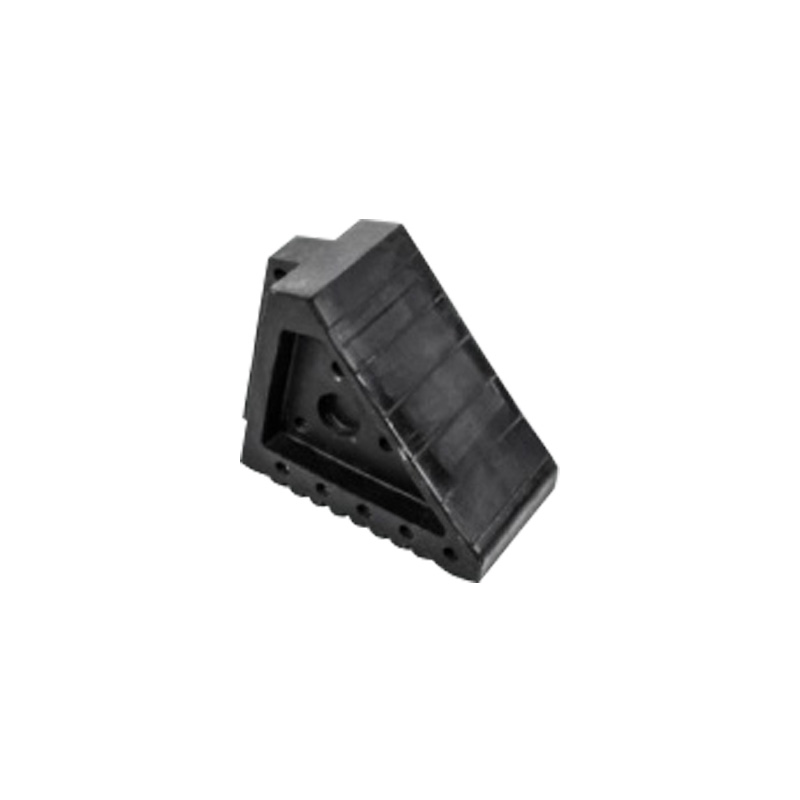
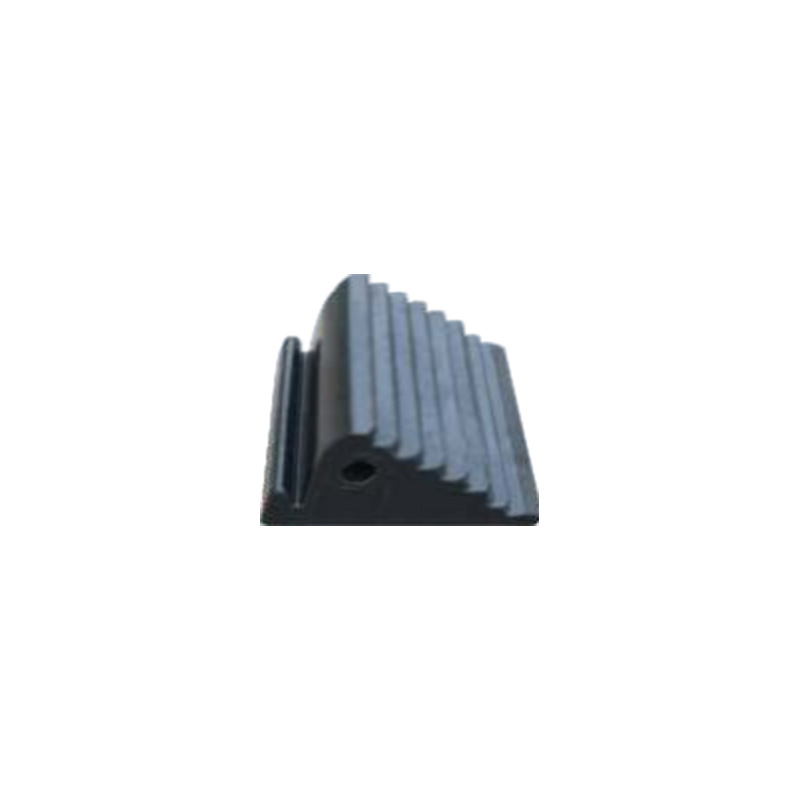
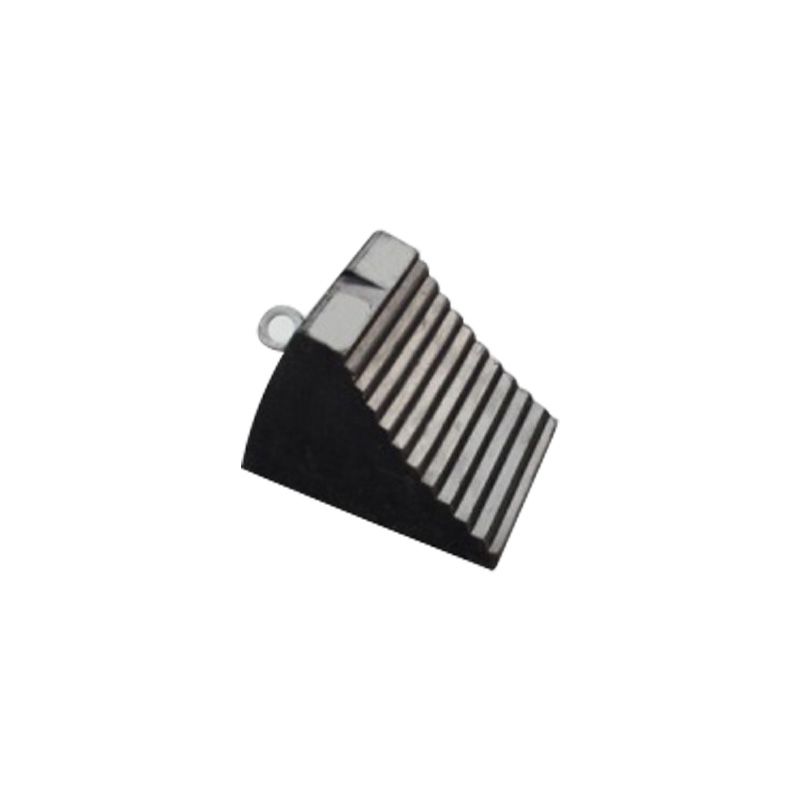
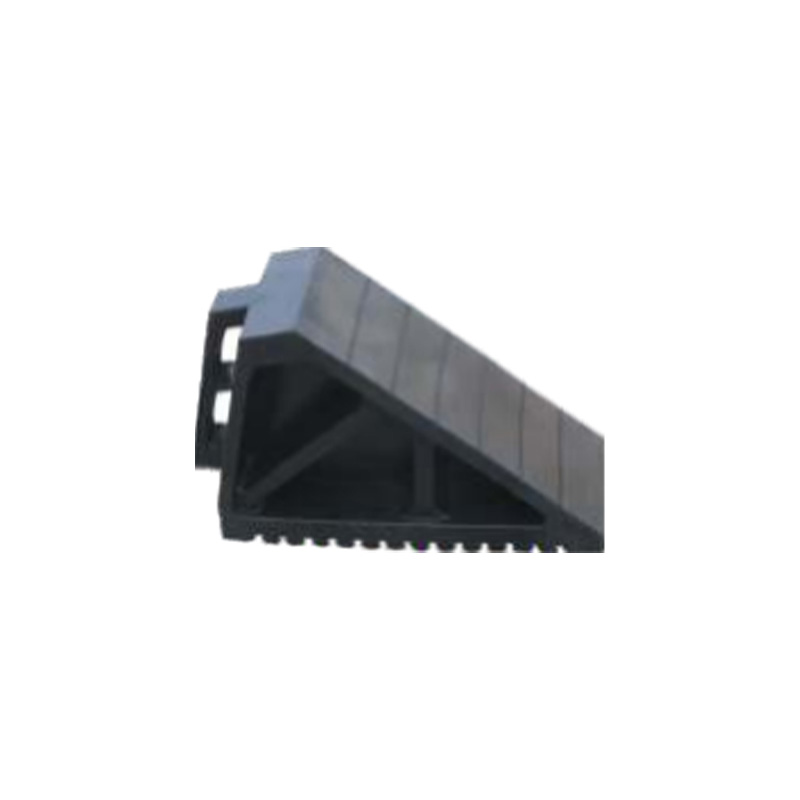
Zhejiang Luba Traffic Technology Co.,ltd was established in 2001. It is a professional China Rubber wheel chocks Manufacturers and wholesale Rubber wheel chocks factory. Our main products include various traffic safety and parking safety products such as OEM Rubber wheel chocks. The company is located in Zhejiang Province, 100 kilometers away from Ningbo Port and the airport. It is very convenient to transport goods to all parts of the country. We specialize in wholesale Rubber wheel chocks . We have a strong R&D team and can develop and produce products according to drawings or samples provided by customers. Our annual production capacity is more than 20,000 tons, which can meet the needs of different customers with different purchase quantities. We focus on developing high-quality products for the high-end market. Our products comply with international standards, and our products are mainly exported to more than 30 countries including the United States, South Korea, Spain, Italy, Australia, and Chile. Look forward to working with you!
ZHEJIANG LUBA TRAFFIC TECHNOLOGY CO., LTD. * TRAFFIC SAFETY, WE LEAD EVERY STEP * ZHEJIANG LUBA TRAFFIC TECHNOLOGY CO., LTD. * TRAFFIC SAFETY, WE LEAD EVERY STEP * ZHEJIANG LUBA TRAFFIC TECHNOLOGY CO., LTD. * TRAFFIC SAFETY, WE LEAD EVERY STEP * ZHEJIANG LUBA TRAFFIC TECHNOLOGY CO., LTD.
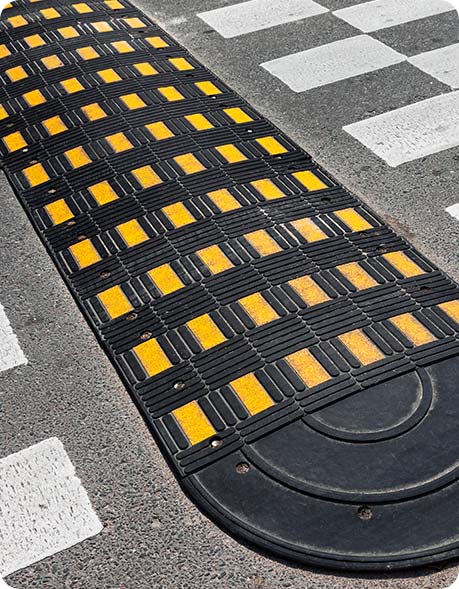

Zhejiang Luba Traffic Technology Co., Ltd. (Former Zhejiang Sanmen Dongxie Railway Cushion Manufacturer Co., Ltd.) was established in 2001. Our company is located in Sanmen County, Zhejiang Province, China. We specialize in the production and development of rubber and plastic products in the field of traffic facilities.
Our main products include rubber speed hump, car wheel stopper, convex mirror, traffic cone, corner guard, road barrier and all kinds of traffic safety and parking safety products.
We base on the concept of "Profession, Honesty, Innovation." We have been making our every effort to improve our own brand's competition and provide excellent products for our consumers and build long-term and steady cooperation based on equality and of mutual benefit. We are longing to develop with our last or new consumers all.
 View More
ZHEJIANG LUBA TRAFFIC TECHNOLOGY CO., LTD. * TRAFFIC SAFETY, WE LEAD EVERY STEP * ZHEJIANG LUBA TRAFFIC TECHNOLOGY CO., LTD. * TRAFFIC SAFETY, WE LEAD EVERY STEP * ZHEJIANG LUBA TRAFFIC TECHNOLOGY CO., LTD. * TRAFFIC SAFETY, WE LEAD EVERY STEP * ZHEJIANG LUBA TRAFFIC TECHNOLOGY CO., LTD.
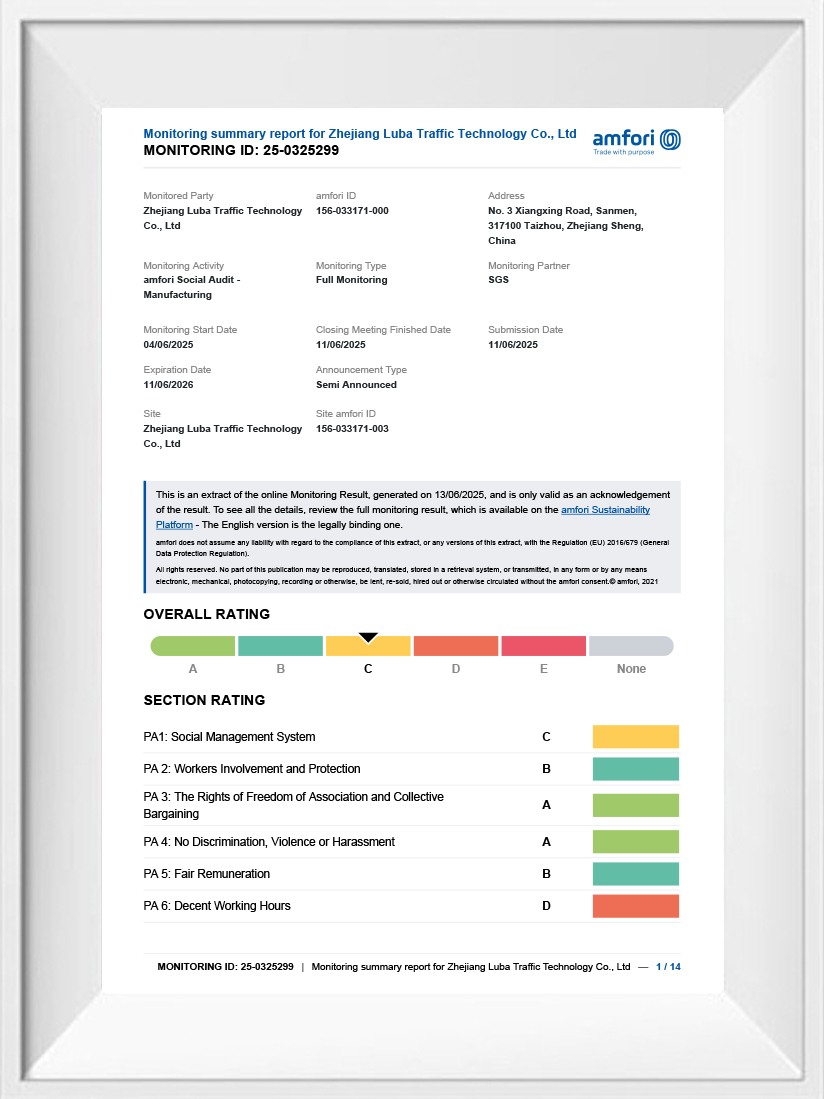
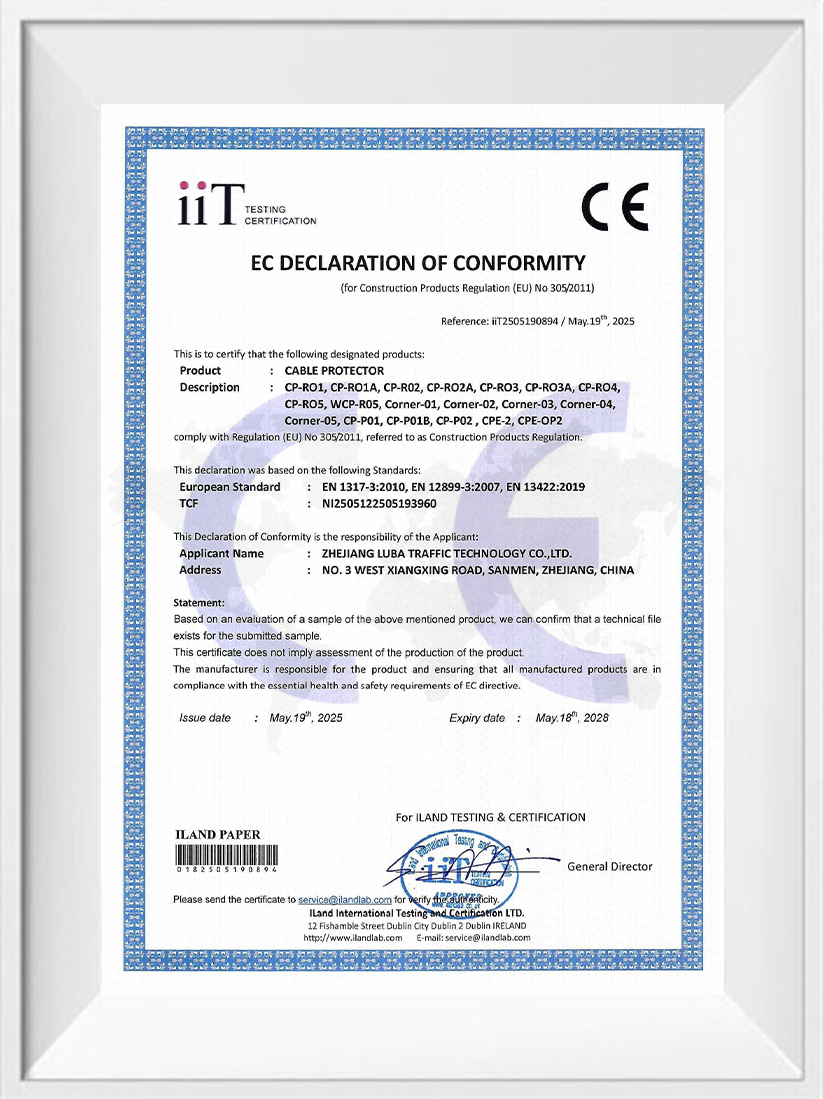
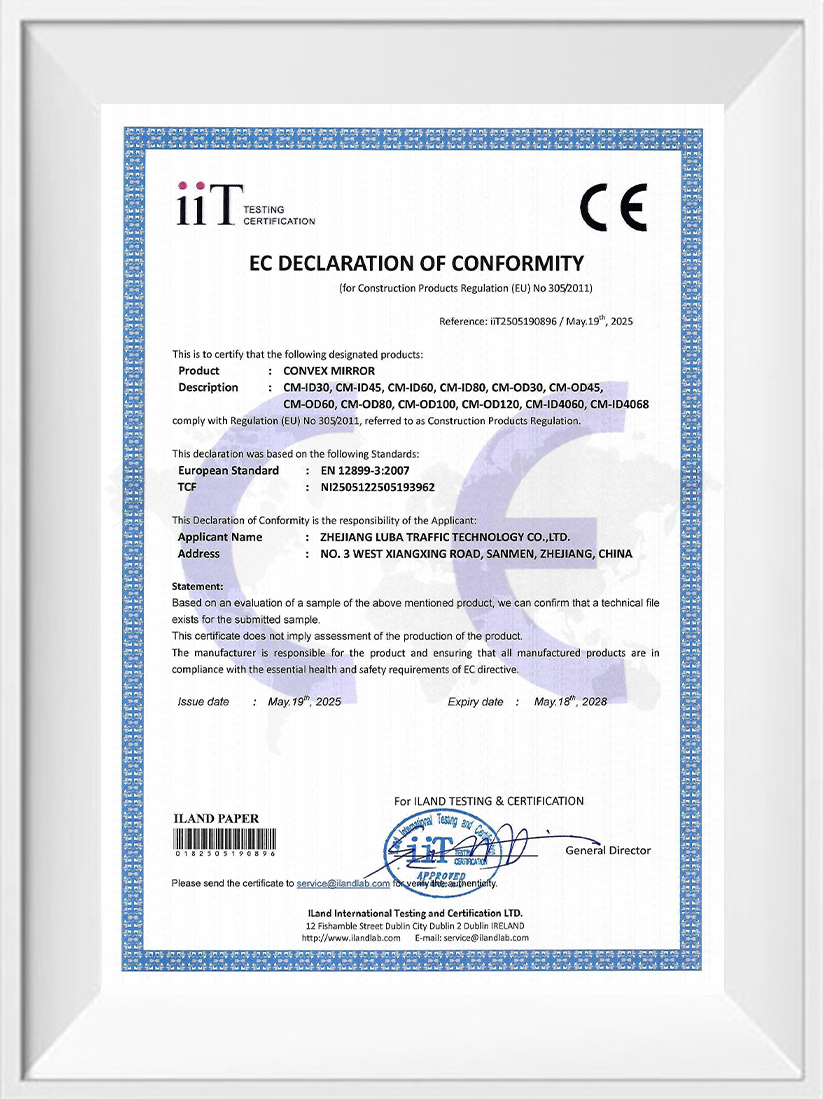
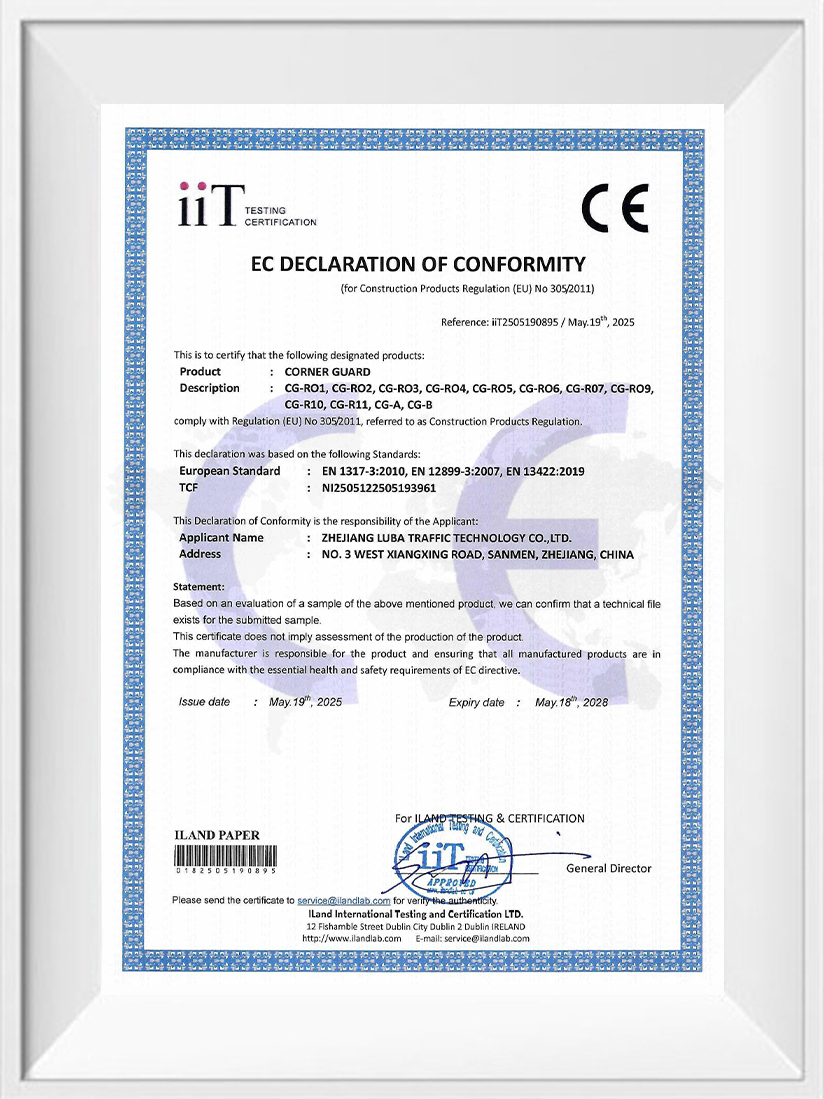
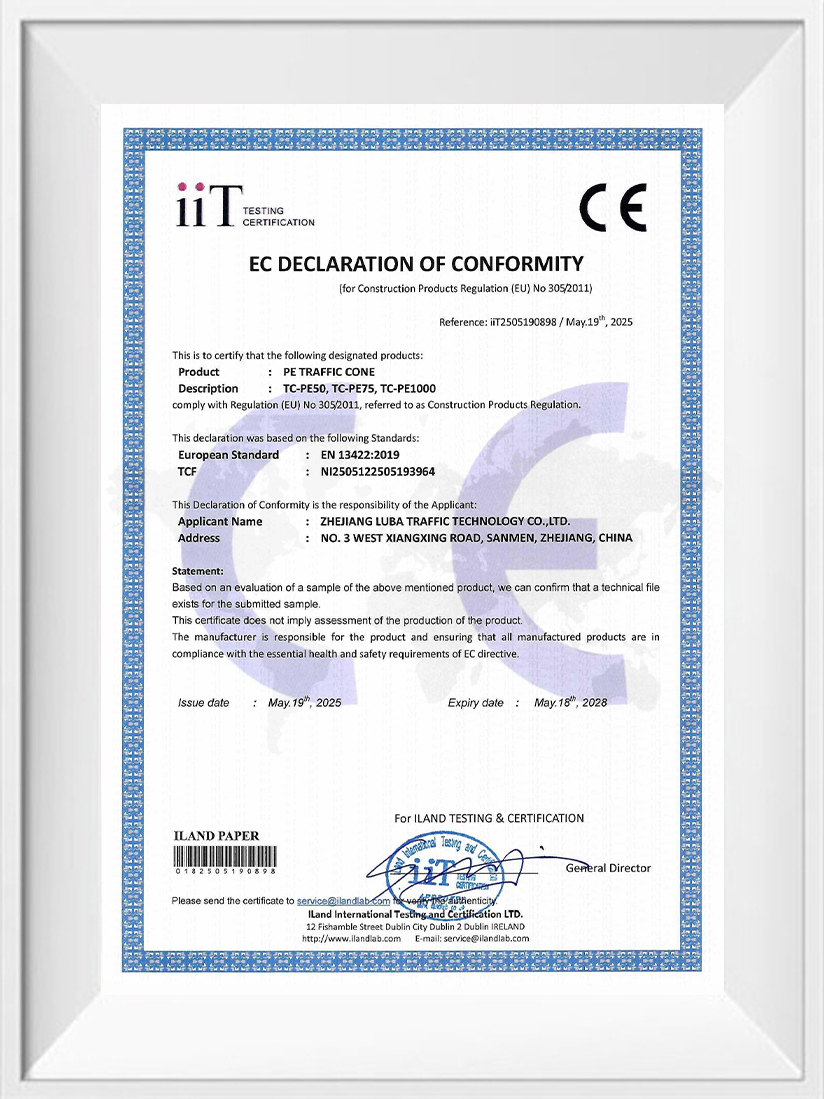
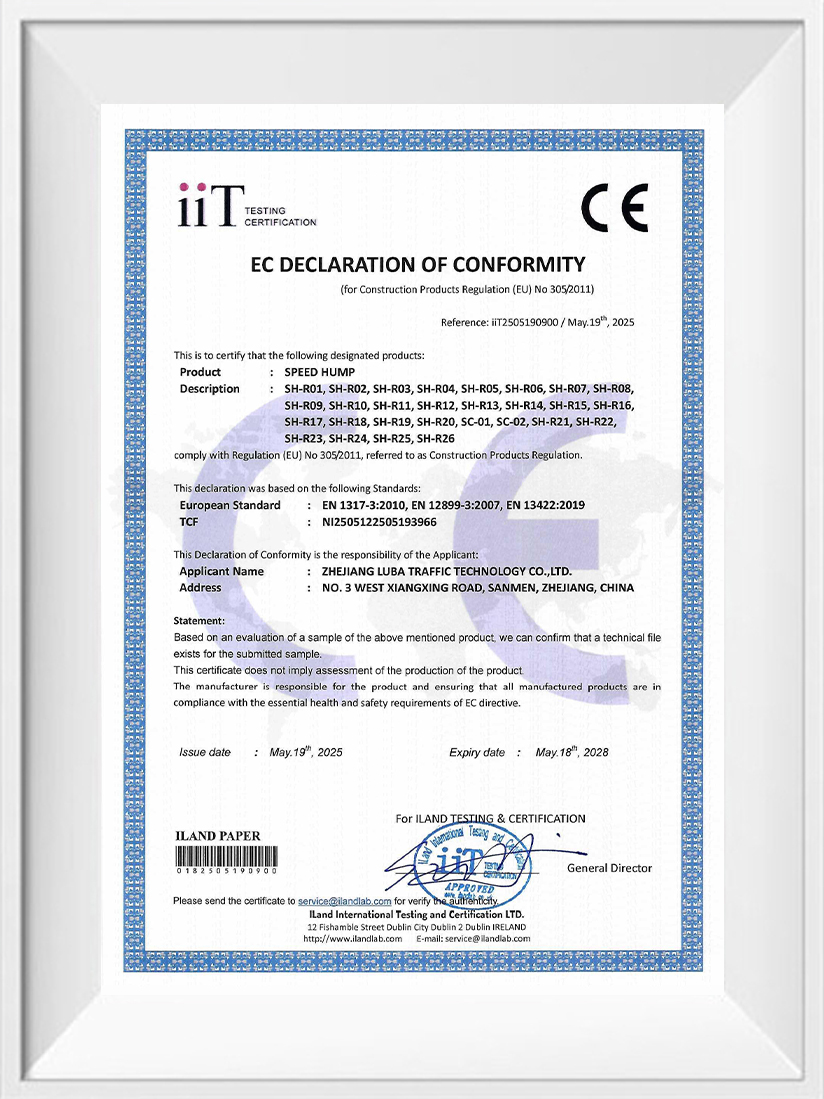
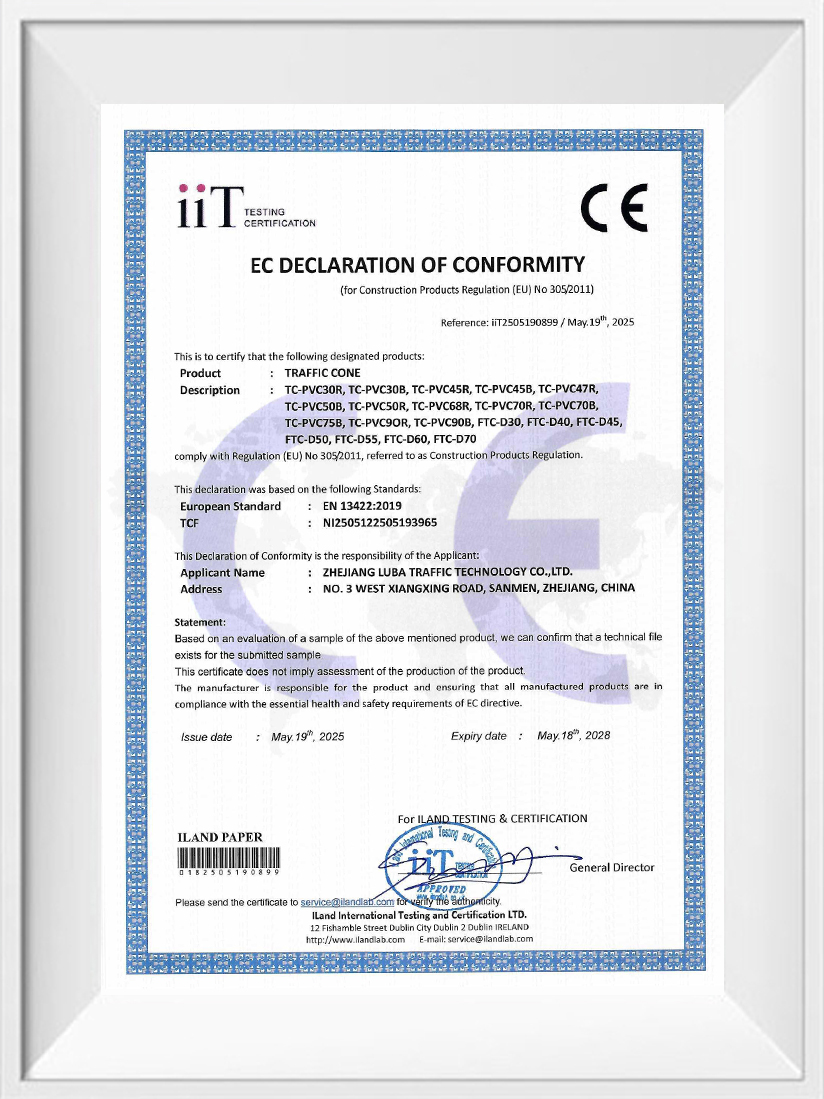
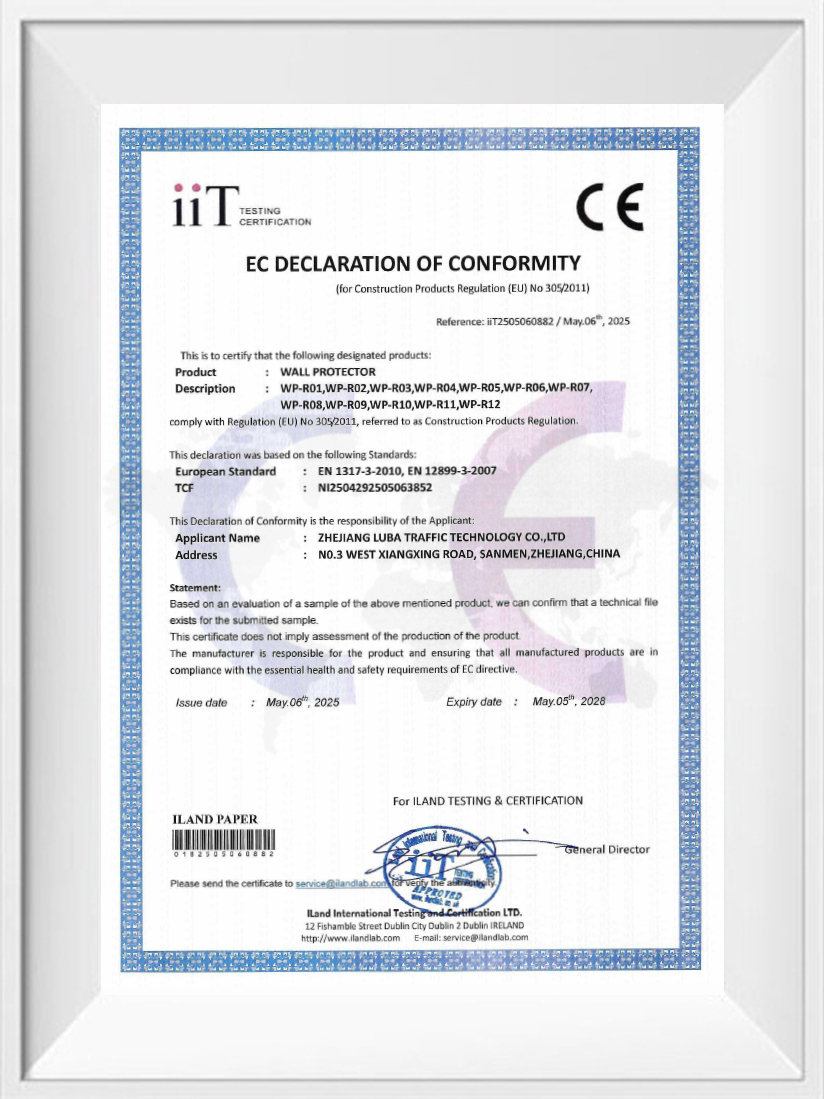
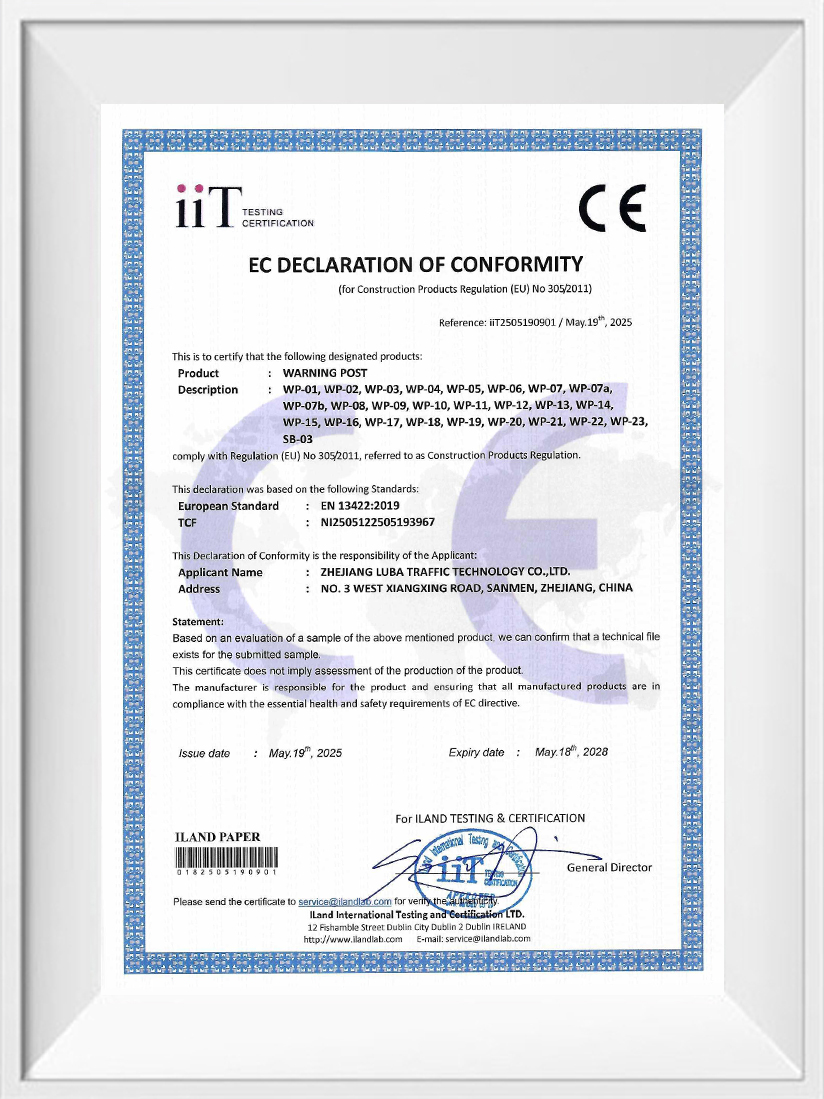
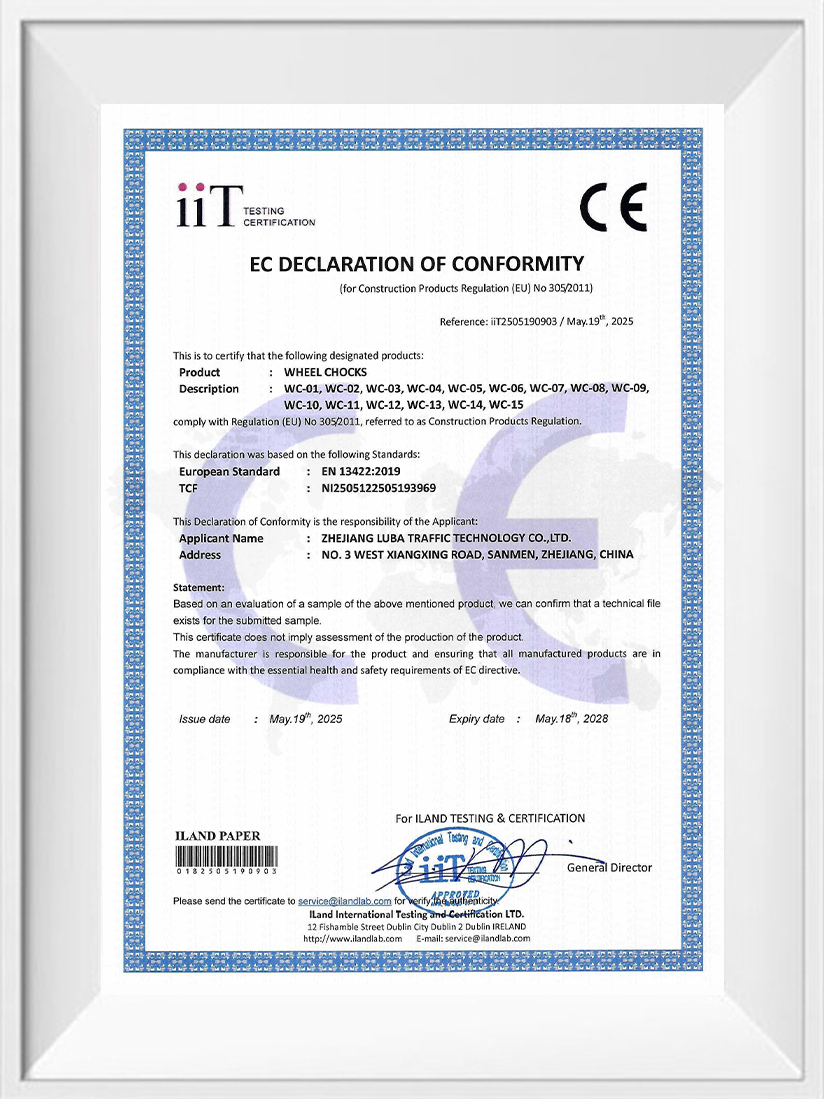
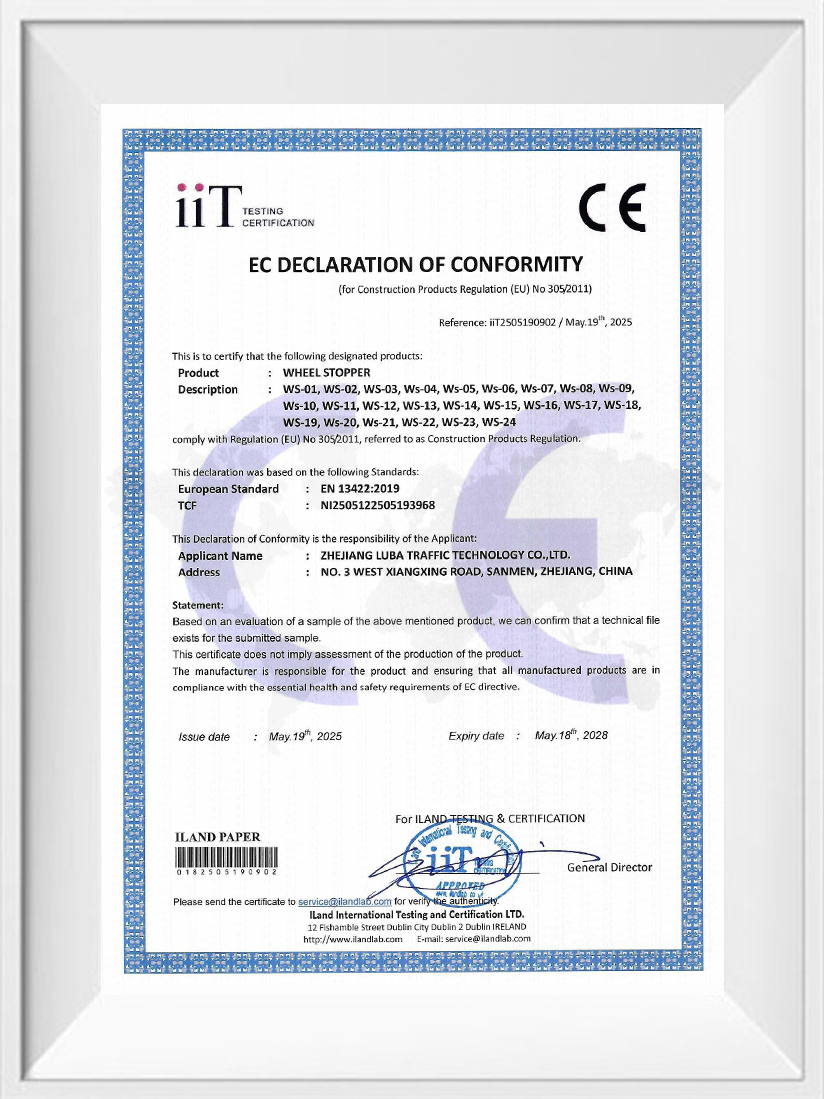
ZHEJIANG LUBA TRAFFIC TECHNOLOGY CO., LTD. * TRAFFIC SAFETY, WE LEAD EVERY STEP * ZHEJIANG LUBA TRAFFIC TECHNOLOGY CO., LTD. * TRAFFIC SAFETY, WE LEAD EVERY STEP * ZHEJIANG LUBA TRAFFIC TECHNOLOGY CO., LTD. * TRAFFIC SAFETY, WE LEAD EVERY STEP * ZHEJIANG LUBA TRAFFIC TECHNOLOGY CO., LTD.
View More
-
 May 01, 2026
 -
May 07, 2026
-
May 07, 2026
-
May 07, 2026

A wheel chock is a deceptively simple device — a wedge placed against a vehicle's tire to prevent unintended rolling. Yet its correct specification and use are critical safety requirements in aviation, logistics, mining, military, and general vehicle storage. Improper chocking is cited as a contributing factor in hundreds of vehicle runaway incidents annually worldwide. Understanding the mechanical principles, material differences, and application requirements helps safety managers select chocks that genuinely do the job.
The Physics of Chocking
A wheel chock works by converting the vehicle's potential energy (gravity acting on a parked vehicle on a slope, or residual pressure in a hydraulic system) into a compressive force against the chock and the ground. The chock must therefore have sufficient friction against the ground surface, structural rigidity to resist deformation under load, and a geometry that keeps it wedged under the tire without being ejected. On hard surfaces such as concrete and asphalt, rubber chocks perform well because the high coefficient of friction between rubber and pavement prevents slippage. On loose surfaces such as gravel or compacted earth, chocks with a wider base footprint or embedded grip studs are preferable.
Material Comparison: Rubber, Plastic, and Steel
Rubber wheel chocks are the most common type for road vehicles, light aircraft, and warehouse equipment. They are lightweight, do not damage tire surfaces, are inherently non-sparking (important in fuel storage and explosive environments), and perform reliably across a wide temperature range. Recycled rubber compounds with a Shore A hardness between 60 and 75 offer a good balance of rigidity and surface grip.
Plastic (polyethylene or ABS) chocks are lighter still and suitable for lighter vehicles, but they can crack in cold temperatures and offer lower friction coefficients than rubber. Steel or cast aluminum chocks are specified for heavy mining and military vehicles where load requirements exceed the practical range of rubber — typically vehicles exceeding 60 tonnes per axle. For most logistics, trucking, and industrial applications, rubber chocks are the optimal choice.
Sizing by Vehicle Class
Chock sizing must be matched to tire diameter. As a general rule, the chock height should be at least one-quarter of the tire's overall diameter to provide effective restraint. Small chocks (approximately 100mm × 100mm × 180mm) are suitable for light vehicles, trailers, and warehouse equipment. Medium chocks (150mm × 150mm × 250mm) cover the majority of commercial trucks, buses, and construction equipment. Large and extra-large chocks — some exceeding 300mm in height — are designed for heavy earth-moving machinery, aircraft main gear, and rail cars.
Color coding is a useful safety practice: yellow or orange chocks signal active restraint to equipment operators and ground crew, while bright red chocks are frequently used in aviation to ensure they are not left in place inadvertently before departure.
Regulatory Requirements
In aviation, ICAO Annex 14 and individual airline ground handling manuals specify chocking requirements for parked aircraft. In road transport, EU Directive 2014/47/EU on roadside technical inspections references wheel chocking in vehicle safety checks. OSHA standard 29 CFR 1910.178 in the United States requires the use of wheel chocks when servicing or fueling industrial trucks on inclines. Purchasing chocks that comply with these standards — and maintaining records of compliance — is a straightforward risk management step for logistics and facility operators.
ZHEJIANG LUBA TRAFFIC TECHNOLOGY CO., LTD. * TRAFFIC SAFETY, WE LEAD EVERY STEP * ZHEJIANG LUBA TRAFFIC TECHNOLOGY CO., LTD. * TRAFFIC SAFETY, WE LEAD EVERY STEP * ZHEJIANG LUBA TRAFFIC TECHNOLOGY CO., LTD. * TRAFFIC SAFETY, WE LEAD EVERY STEP * ZHEJIANG LUBA TRAFFIC TECHNOLOGY CO., LTD.
ZHEJIANG LUBA TRAFFIC TECHNOLOGY CO., LTD. * TRAFFIC SAFETY, WE LEAD EVERY STEP * ZHEJIANG LUBA TRAFFIC TECHNOLOGY CO., LTD. * TRAFFIC SAFETY, WE LEAD EVERY STEP * ZHEJIANG LUBA TRAFFIC TECHNOLOGY CO., LTD. * TRAFFIC SAFETY, WE LEAD EVERY STEP * ZHEJIANG LUBA TRAFFIC TECHNOLOGY CO., LTD.

Zhejiang Luba Traffic Technology Co., Ltd. has been dedicated to the R&D and production of rubber and plastic products in the traffic facilities field since its establishment in 2001.
- (+86) 15724246878
- [email protected]
- No.399 West Guangming Road, Sanmen, Taizhou, Zhejiang, China.
Contact us to get our latest product information.
Copyright © Zhejiang Luba Traffic Technology Co.,Ltd. Rights Reserved.

Rubber Speed Hump Supplier