

 English
 简体中文
简体中文 Русский
 Español
ZHEJIANG LUBA TRAFFIC TECHNOLOGY CO., LTD. * TRAFFIC SAFETY, WE LEAD EVERY STEP * ZHEJIANG LUBA TRAFFIC TECHNOLOGY CO., LTD. * TRAFFIC SAFETY, WE LEAD EVERY STEP * ZHEJIANG LUBA TRAFFIC TECHNOLOGY CO., LTD. * TRAFFIC SAFETY, WE LEAD EVERY STEP * ZHEJIANG LUBA TRAFFIC TECHNOLOGY CO., LTD.
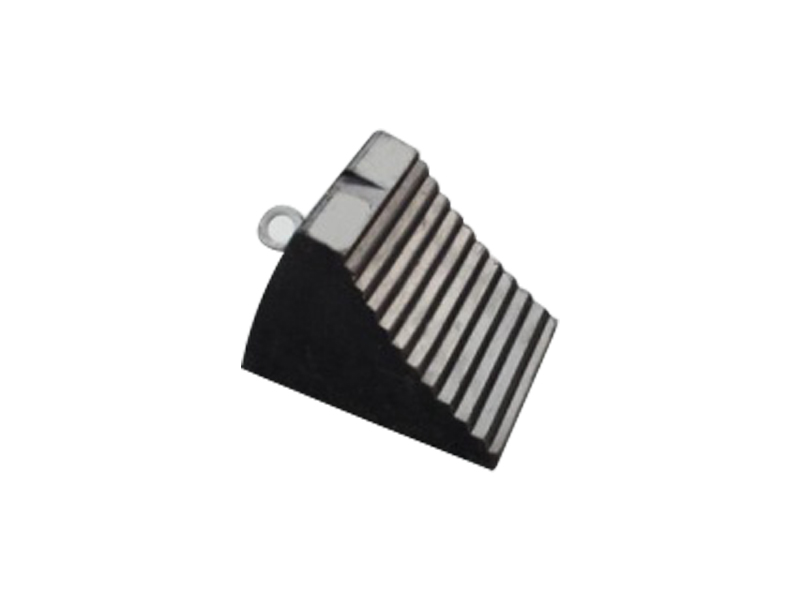
How Does A Wheel Chock Perform On Sloped Surfaces?
Vehicle movement does not always happen when driving. Parking on slopes, loading zones, and roadside repair areas often brings unexpected rolling risks. A Wheel Chock is designed to sit directly against the tire, acting as a physical stop to limit forward or backward motion. This simple structure plays a practical role across logistics yards, workshops, and roadside service scenarios.
Unlike complex mechanical systems, a wheel chock works without power or adjustment. Its effectiveness depends on material, shape, and proper placement rather than added components.
ZHEJIANG LUBA TRAFFIC TECHNOLOGY CO., LTD. * TRAFFIC SAFETY, WE LEAD EVERY STEP * ZHEJIANG LUBA TRAFFIC TECHNOLOGY CO., LTD. * TRAFFIC SAFETY, WE LEAD EVERY STEP * ZHEJIANG LUBA TRAFFIC TECHNOLOGY CO., LTD. * TRAFFIC SAFETY, WE LEAD EVERY STEP * ZHEJIANG LUBA TRAFFIC TECHNOLOGY CO., LTD.
ZHEJIANG LUBA TRAFFIC TECHNOLOGY CO., LTD. * TRAFFIC SAFETY, WE LEAD EVERY STEP * ZHEJIANG LUBA TRAFFIC TECHNOLOGY CO., LTD. * TRAFFIC SAFETY, WE LEAD EVERY STEP * ZHEJIANG LUBA TRAFFIC TECHNOLOGY CO., LTD. * TRAFFIC SAFETY, WE LEAD EVERY STEP * ZHEJIANG LUBA TRAFFIC TECHNOLOGY CO., LTD.

Zhejiang Luba Traffic Technology Co., Ltd. has been dedicated to the R&D and production of rubber and plastic products in the traffic facilities field since its establishment in 2001.
- (+86) 15724246878
- [email protected]
- No.399 West Guangming Road, Sanmen, Taizhou, Zhejiang, China.
Contact us to get our latest product information.
Copyright © Zhejiang Luba Traffic Technology Co.,Ltd. Rights Reserved.

Rubber Speed Hump Supplier