

 English
 简体中文
简体中文 Русский
 Español
ZHEJIANG LUBA TRAFFIC TECHNOLOGY CO., LTD. * TRAFFIC SAFETY, WE LEAD EVERY STEP * ZHEJIANG LUBA TRAFFIC TECHNOLOGY CO., LTD. * TRAFFIC SAFETY, WE LEAD EVERY STEP * ZHEJIANG LUBA TRAFFIC TECHNOLOGY CO., LTD. * TRAFFIC SAFETY, WE LEAD EVERY STEP * ZHEJIANG LUBA TRAFFIC TECHNOLOGY CO., LTD.
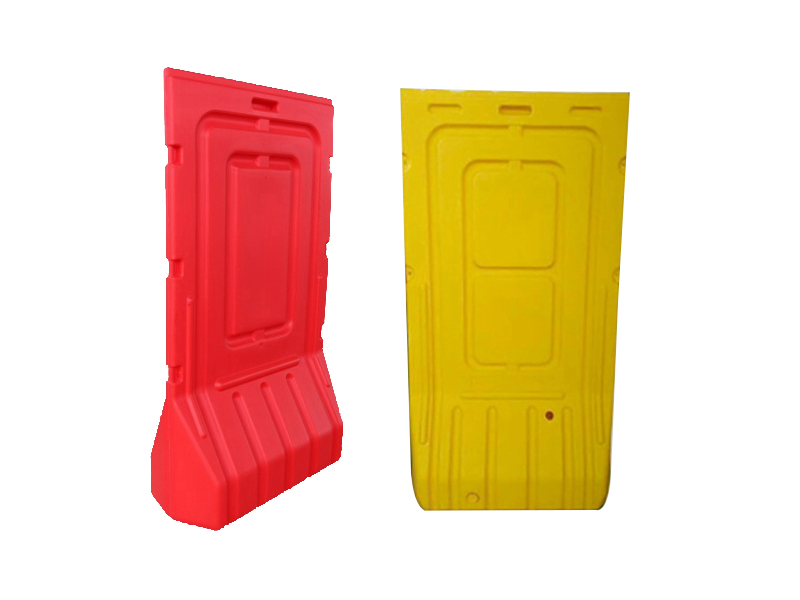
How Easy Is It To Store An Expandable Barrier After Use?
Urban roads, parking areas, and industrial sites change constantly. Temporary lane closures, short-term construction, and event management all require fast ways to guide movement and mark restricted zones. An Expandable Barrier is designed for these moments when fixed installations are not practical. It stretches to cover distance when needed and folds down when space must be reopened.
This flexibility helps operators react quickly without permanent changes to the site. Instead of moving heavy blocks or installing posts, one barrier can be adjusted to match the actual working area.
Common Problems in Temporary Area Management
One common challenge is space limitation. Fixed barriers take up storage room even when not in use. An Expandable Barrier solves this by collapsing into a compact size that can be stored in vehicles or warehouses with little effort.
Another issue is time. Many temporary control tasks are short-term but urgent. Barriers that require tools or multiple workers slow down the process. Expandable designs allow quick setup by extending the frame and locking it into position. This makes them suitable for road maintenance, parking control, and facility access adjustment.
Structure and Material Considerations
Expandable barriers are often built with a scissor-style structure that allows smooth extension and retraction. Rubber or plastic bases add weight at ground level, helping the barrier stay in position during use. Reflective elements improve visibility in low-light conditions without adding complex components.
Rubber-based parts are valued for their resistance to repeated handling and surface contact. They handle frequent opening and closing cycles while maintaining shape. This balance between flexibility and strength is important for daily operational use.
Manufacturing Experience and Product Consistency
An Expandable Barrier Factory plays a key role in how the product performs over time. Consistent molding, accurate joint spacing, and controlled material formulation influence how smoothly the barrier expands and folds. Poor alignment can cause jamming, while uneven materials may shorten service life.
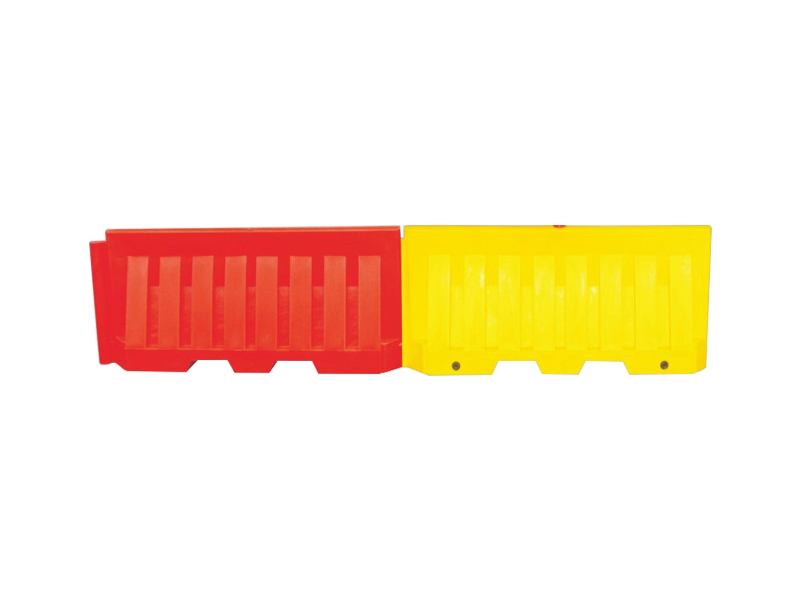
Zhejiang Luba Traffic Technology Co., Ltd., established in 2001, operates as a professional manufacturer of rubber-based traffic and parking products. Located in Zhejiang Province, around 100 kilometers from Ningbo Port and the airport, the factory supports efficient transport for export orders. With an annual production capacity of over 20,000 tons, the company develops and produces products according to drawings or samples. As an experienced Expandable Barrier Factory, it supports OEM requirements and supplies markets including the United States, Spain, Italy, Australia, South Korea, and Chile, following international standards.
Practical Use and Long-Term Value
An Expandable Barrier is often chosen because it adapts to different site widths without replacement. One unit can cover narrow walkways or wider road sections simply by adjusting its length. This reduces the need for multiple barrier types on-site.
Working with a reliable Expandable Barrier Factory also helps maintain consistent specifications across batches, which matters for projects that expand over time. Matching height, color, and connection details allows new barriers to work smoothly with existing ones.
Expandable barriers remain a practical solution for temporary control because they combine mobility, clear visual separation, and efficient storage. When designed with attention to structure and materials, they support daily operations in environments where change is constant and speed
ZHEJIANG LUBA TRAFFIC TECHNOLOGY CO., LTD. * TRAFFIC SAFETY, WE LEAD EVERY STEP * ZHEJIANG LUBA TRAFFIC TECHNOLOGY CO., LTD. * TRAFFIC SAFETY, WE LEAD EVERY STEP * ZHEJIANG LUBA TRAFFIC TECHNOLOGY CO., LTD. * TRAFFIC SAFETY, WE LEAD EVERY STEP * ZHEJIANG LUBA TRAFFIC TECHNOLOGY CO., LTD.
ZHEJIANG LUBA TRAFFIC TECHNOLOGY CO., LTD. * TRAFFIC SAFETY, WE LEAD EVERY STEP * ZHEJIANG LUBA TRAFFIC TECHNOLOGY CO., LTD. * TRAFFIC SAFETY, WE LEAD EVERY STEP * ZHEJIANG LUBA TRAFFIC TECHNOLOGY CO., LTD. * TRAFFIC SAFETY, WE LEAD EVERY STEP * ZHEJIANG LUBA TRAFFIC TECHNOLOGY CO., LTD.

Zhejiang Luba Traffic Technology Co., Ltd. has been dedicated to the R&D and production of rubber and plastic products in the traffic facilities field since its establishment in 2001.
- (+86) 15724246878
- [email protected]
- No.399 West Guangming Road, Sanmen, Taizhou, Zhejiang, China.
Contact us to get our latest product information.
Copyright © Zhejiang Luba Traffic Technology Co.,Ltd. Rights Reserved.

Rubber Speed Hump Supplier