
 English
 简体中文
简体中文 Русский
 Español
ZHEJIANG LUBA TRAFFIC TECHNOLOGY CO., LTD. * TRAFFIC SAFETY, WE LEAD EVERY STEP * ZHEJIANG LUBA TRAFFIC TECHNOLOGY CO., LTD. * TRAFFIC SAFETY, WE LEAD EVERY STEP * ZHEJIANG LUBA TRAFFIC TECHNOLOGY CO., LTD. * TRAFFIC SAFETY, WE LEAD EVERY STEP * ZHEJIANG LUBA TRAFFIC TECHNOLOGY CO., LTD.
Traffic Cable Protector Manufacturer
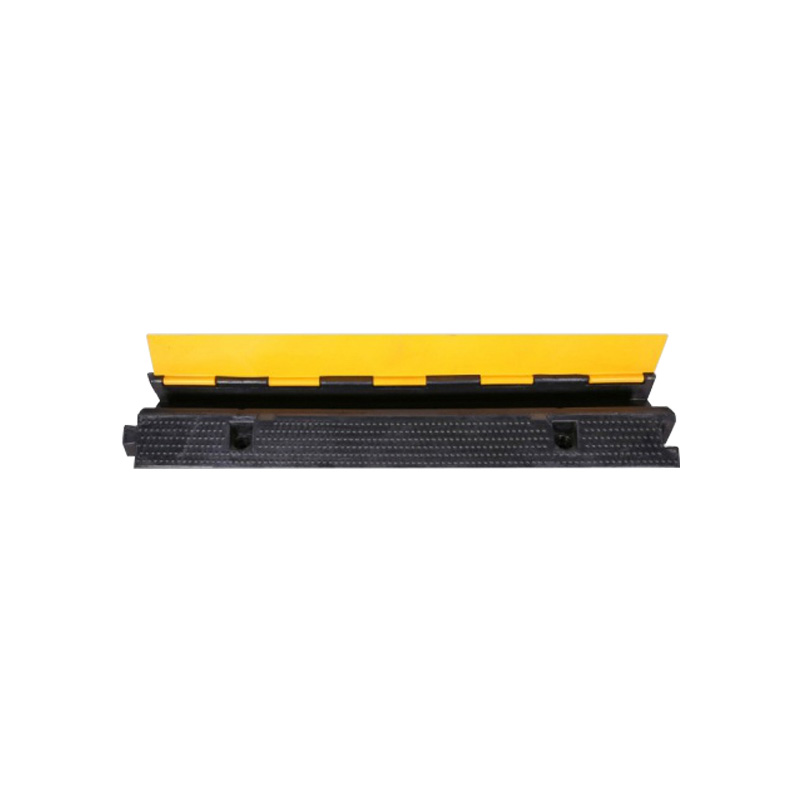
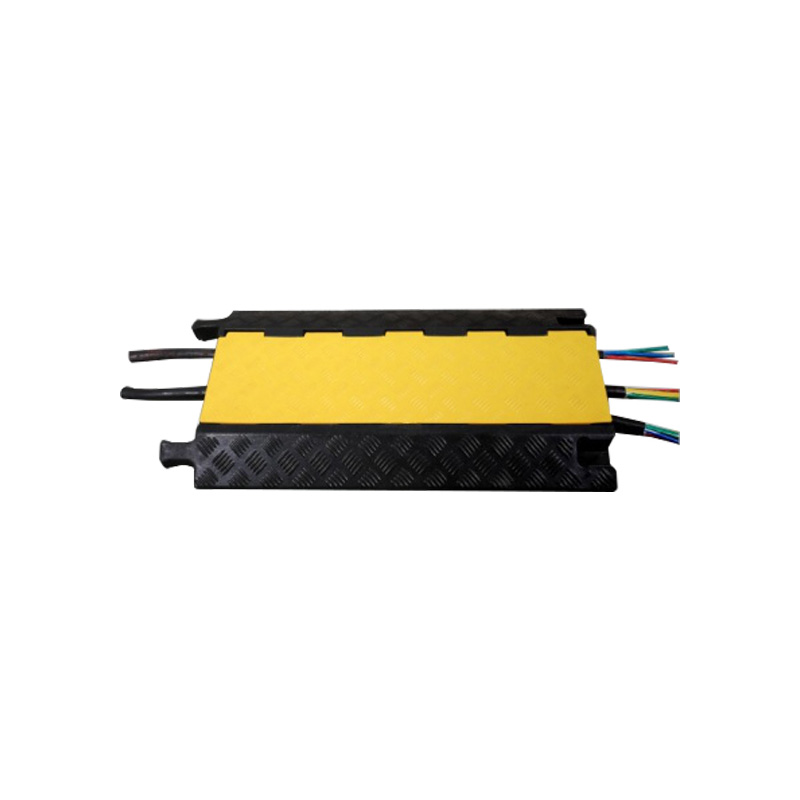
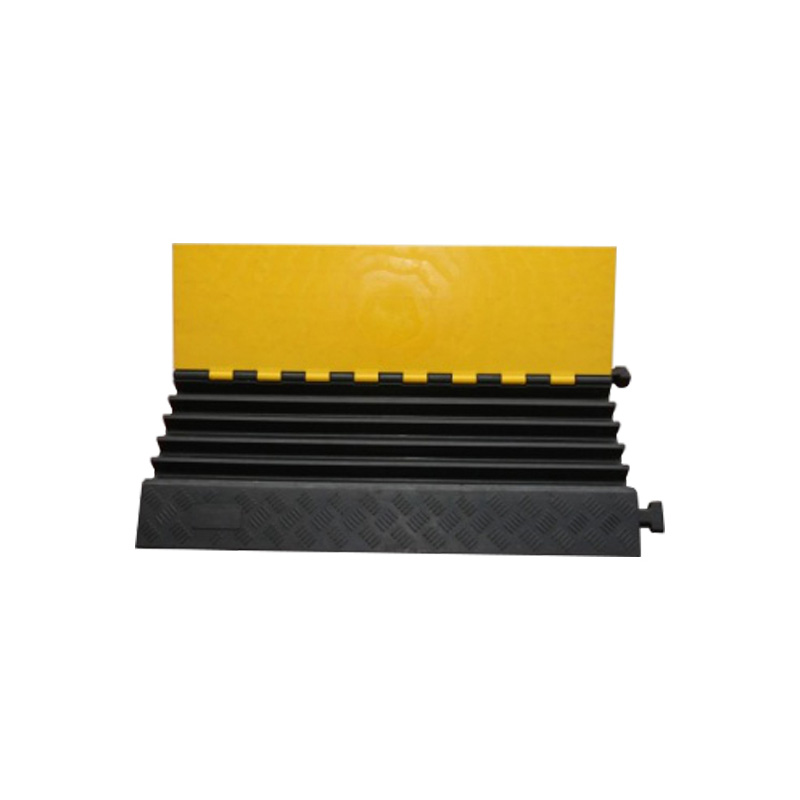
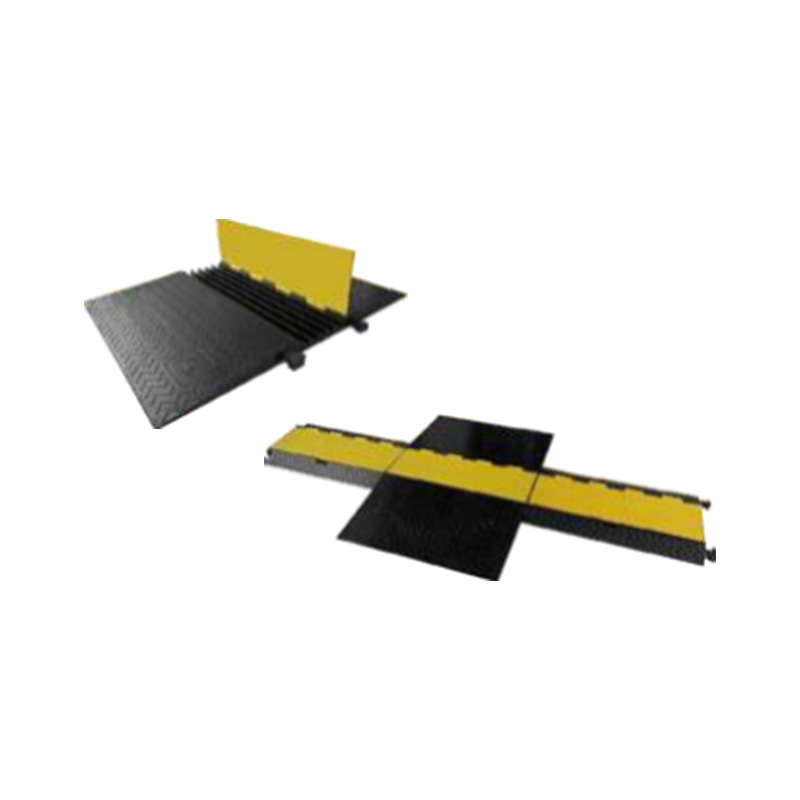
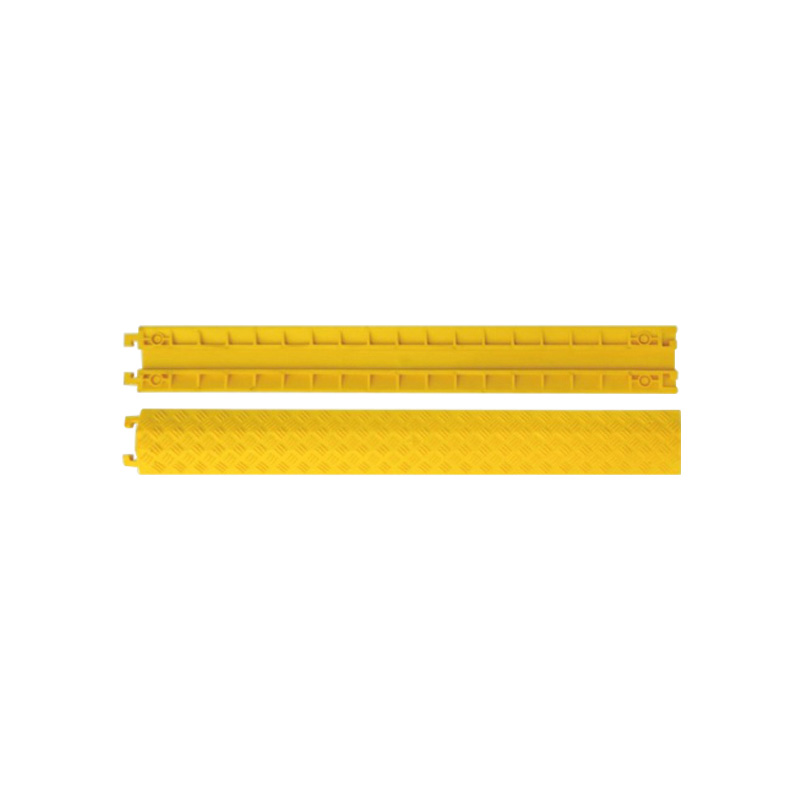
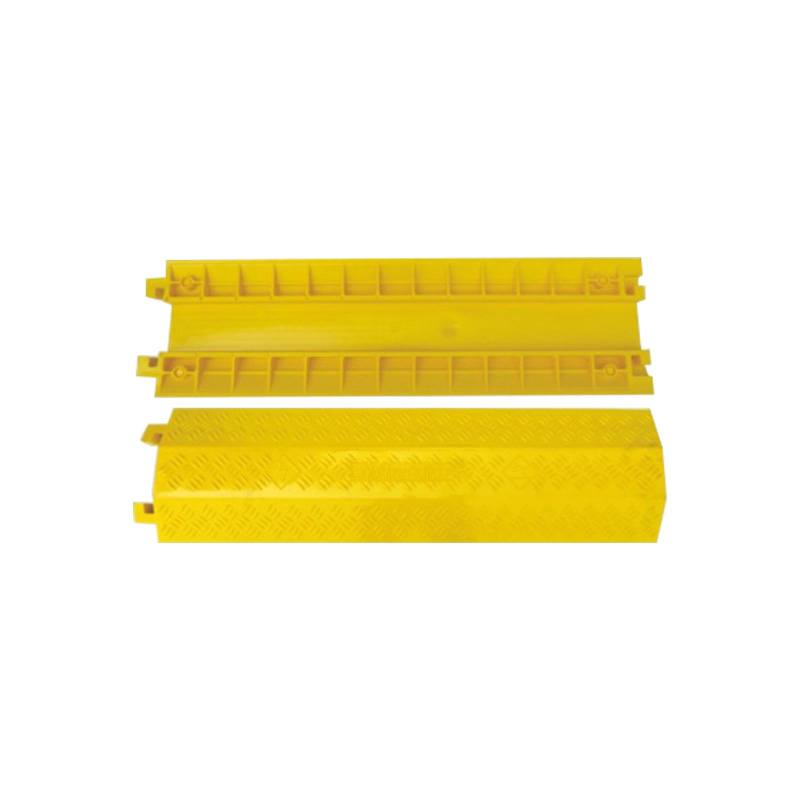
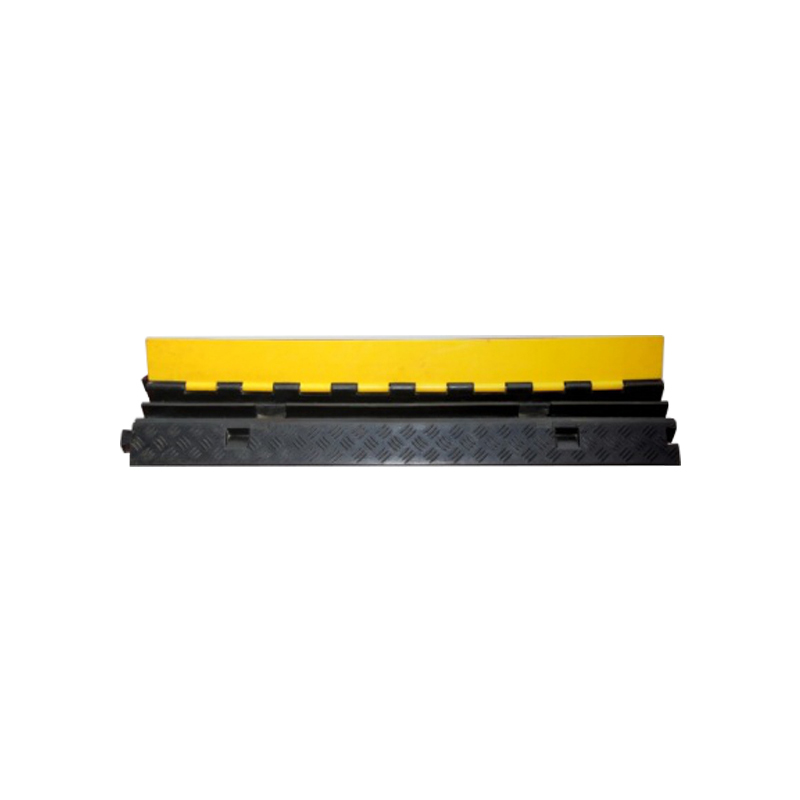
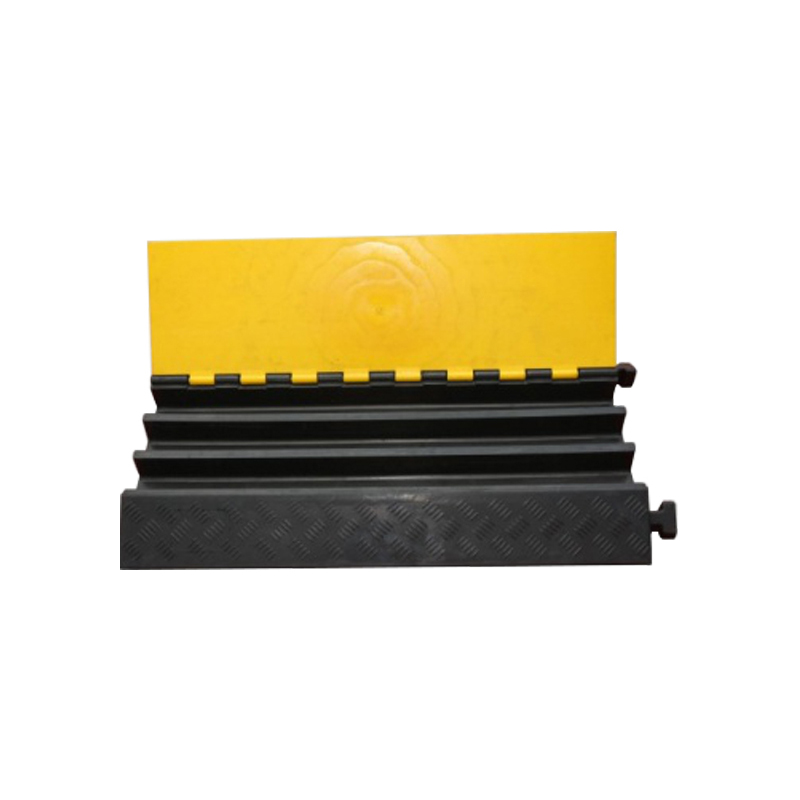
Zhejiang Luba Traffic Technology Co., Ltd. was established in 2001. It is a professional China Rubber Cable Protectors Manufacturers and wholesale Rubber Cable Protectors factory. Our main products include various traffic safety and parking safety products such as OEM Rubber Cable Protectors. The company is located in Zhejiang Province, 100 kilometers away from Ningbo Port and the airport. It is very convenient to transport goods to all parts of the country.
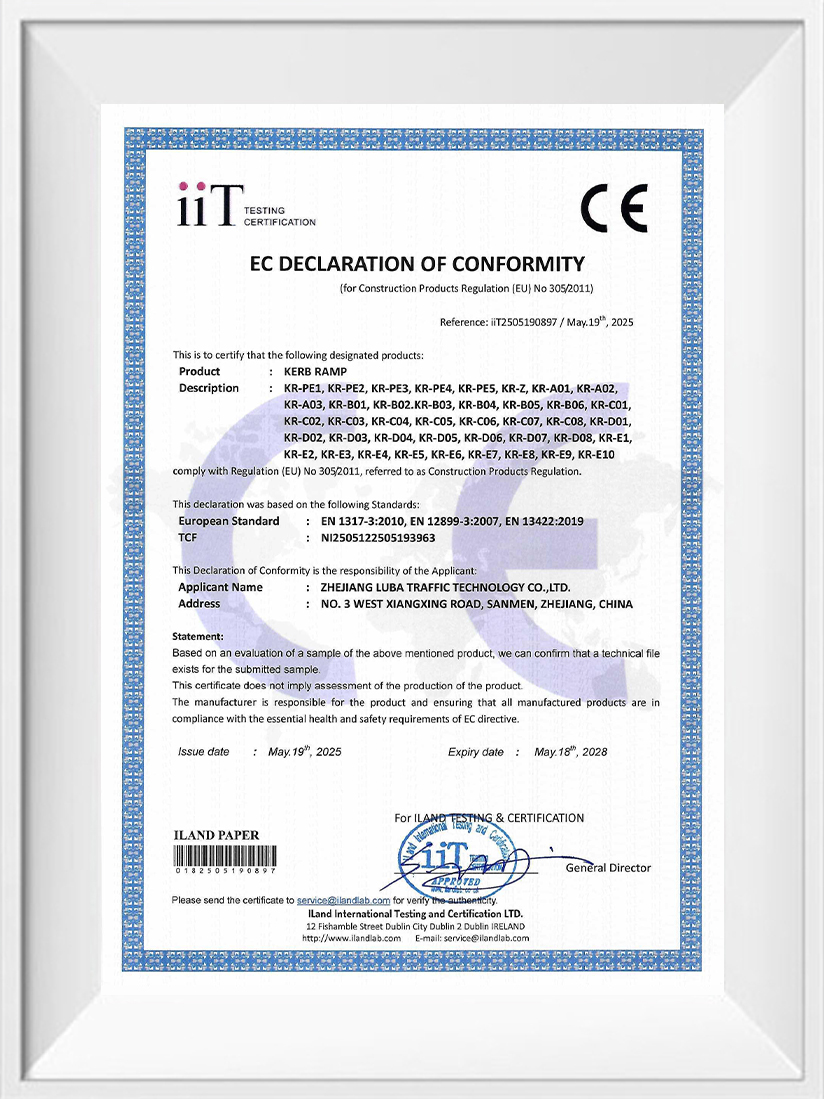
We specialize in wholesale Rubber Cable Protectors . We have a strong R&D team and can develop and produce products according to drawings or samples provided by customers. Our annual production capacity is more than 20,000 tons, which can meet the needs of different customers with different purchase quantities. We focus on developing high-quality products for the high-end market. Our products comply with international standards, and our products are mainly exported to more than 30 countries including the United States, South Korea, Spain, Italy, Australia, and Chile. Look forward to working with you!
ZHEJIANG LUBA TRAFFIC TECHNOLOGY CO., LTD. * TRAFFIC SAFETY, WE LEAD EVERY STEP * ZHEJIANG LUBA TRAFFIC TECHNOLOGY CO., LTD. * TRAFFIC SAFETY, WE LEAD EVERY STEP * ZHEJIANG LUBA TRAFFIC TECHNOLOGY CO., LTD. * TRAFFIC SAFETY, WE LEAD EVERY STEP * ZHEJIANG LUBA TRAFFIC TECHNOLOGY CO., LTD.
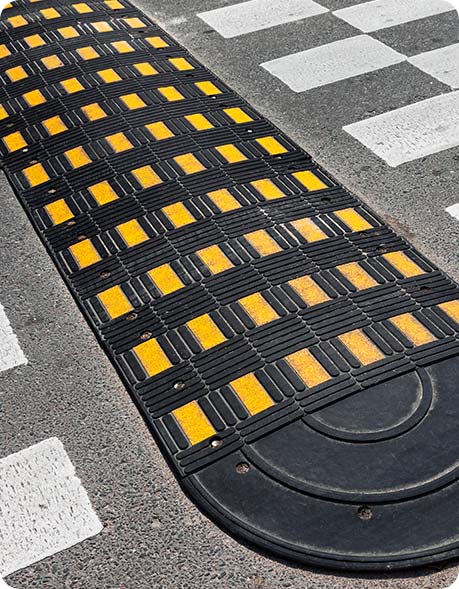

Zhejiang Luba Traffic Technology Co., Ltd. (Former Zhejiang Sanmen Dongxie Railway Cushion Manufacturer Co., Ltd.) was established in 2001. Our company is located in Sanmen County, Zhejiang Province, China. We specialize in the production and development of rubber and plastic products in the field of traffic facilities.
Our main products include rubber speed hump, car wheel stopper, convex mirror, traffic cone, corner guard, road barrier and all kinds of traffic safety and parking safety products.
We base on the concept of "Profession, Honesty, Innovation." We have been making our every effort to improve our own brand's competition and provide excellent products for our consumers and build long-term and steady cooperation based on equality and of mutual benefit. We are longing to develop with our last or new consumers all.
 View More
ZHEJIANG LUBA TRAFFIC TECHNOLOGY CO., LTD. * TRAFFIC SAFETY, WE LEAD EVERY STEP * ZHEJIANG LUBA TRAFFIC TECHNOLOGY CO., LTD. * TRAFFIC SAFETY, WE LEAD EVERY STEP * ZHEJIANG LUBA TRAFFIC TECHNOLOGY CO., LTD. * TRAFFIC SAFETY, WE LEAD EVERY STEP * ZHEJIANG LUBA TRAFFIC TECHNOLOGY CO., LTD.
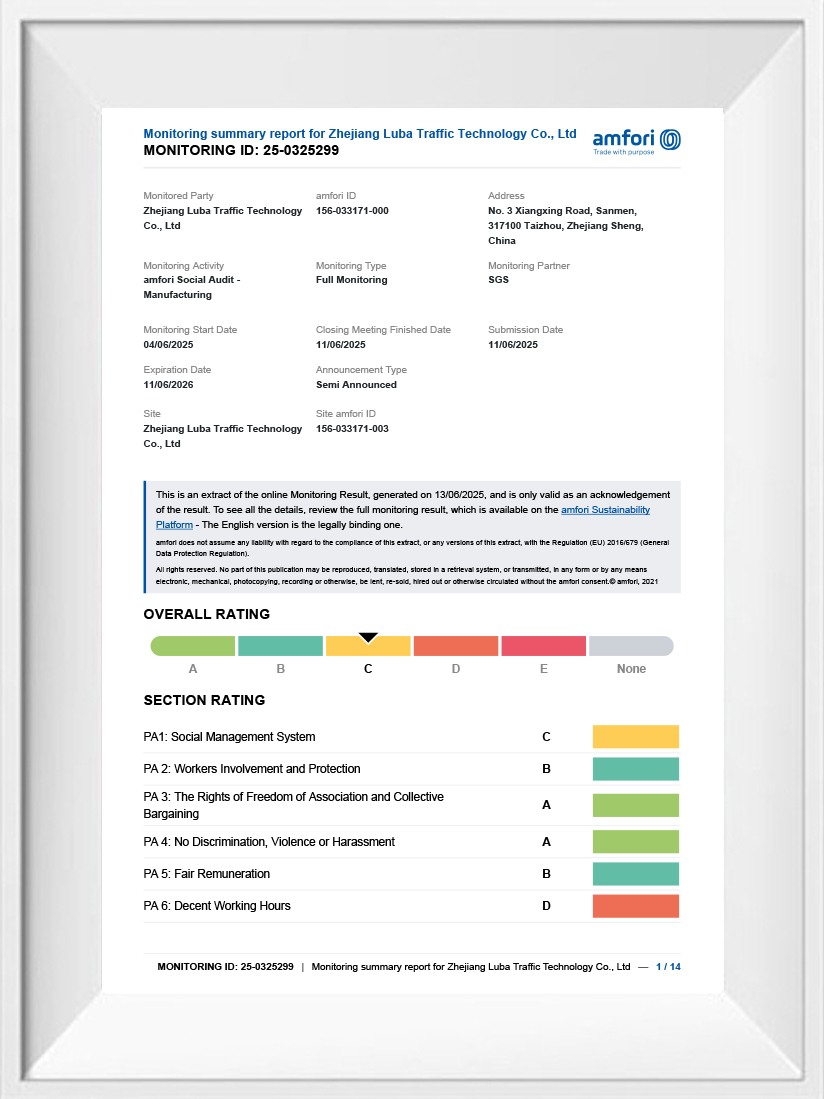
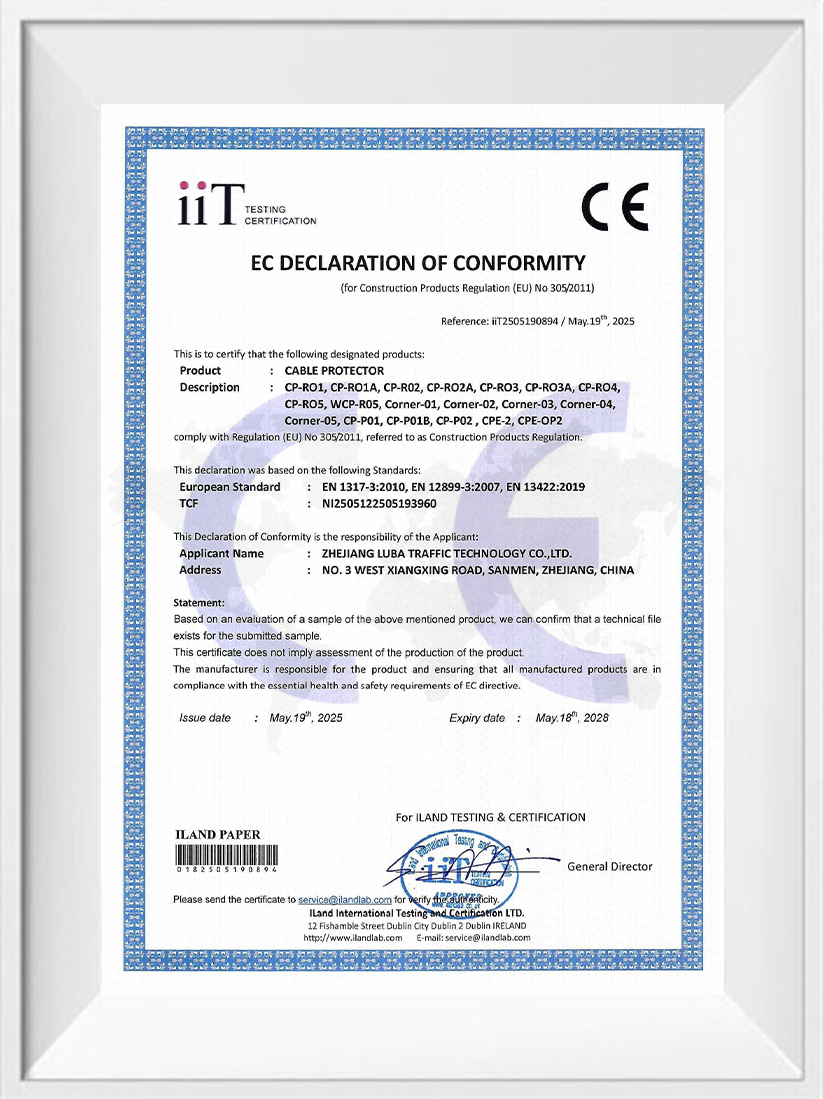
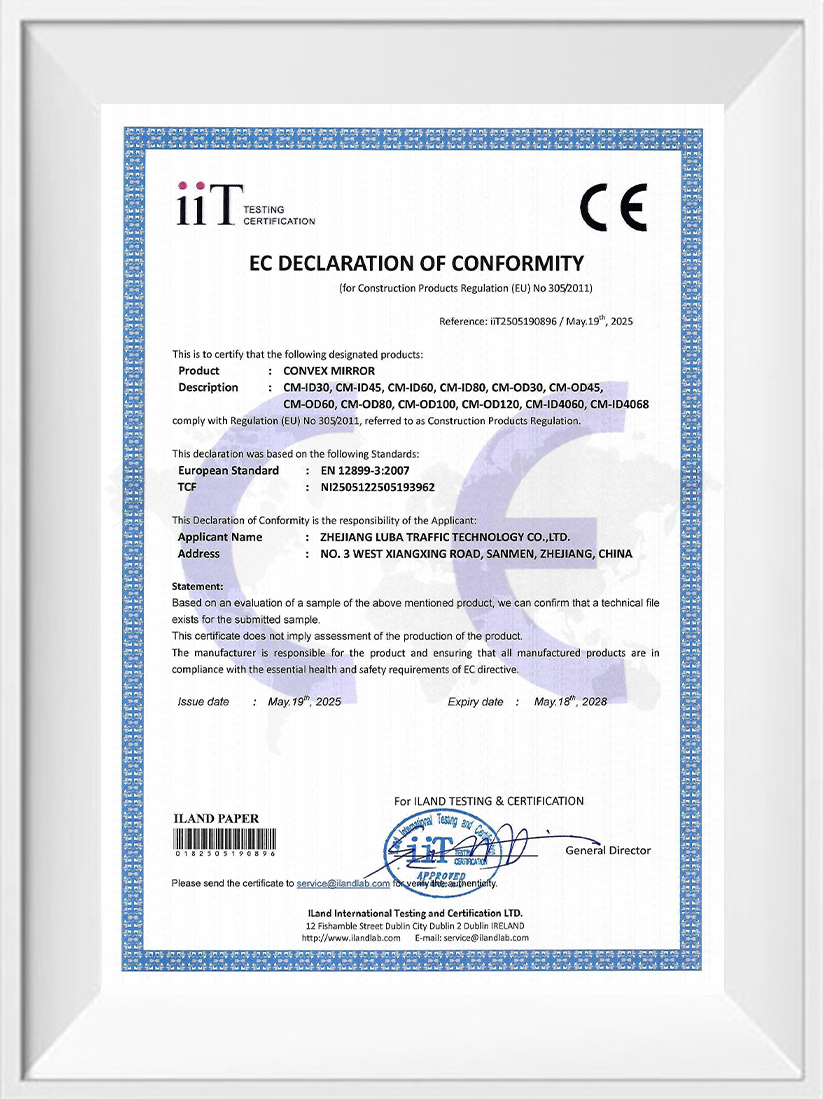
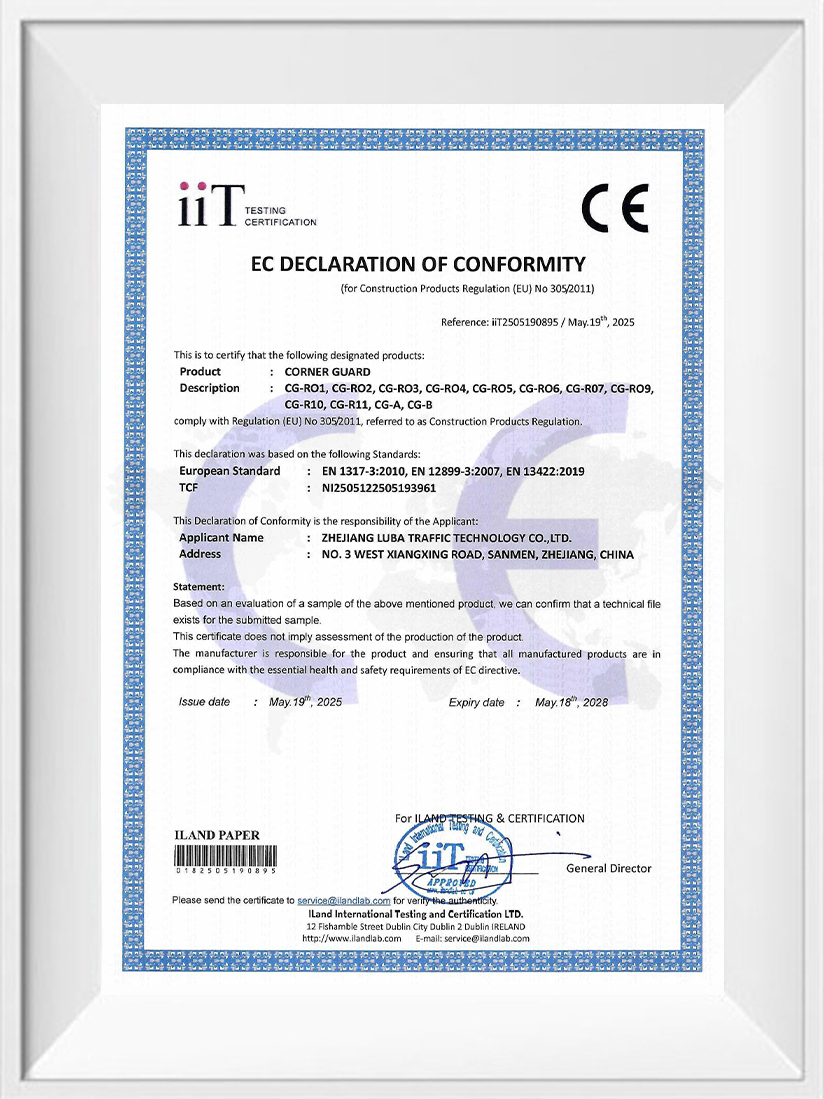
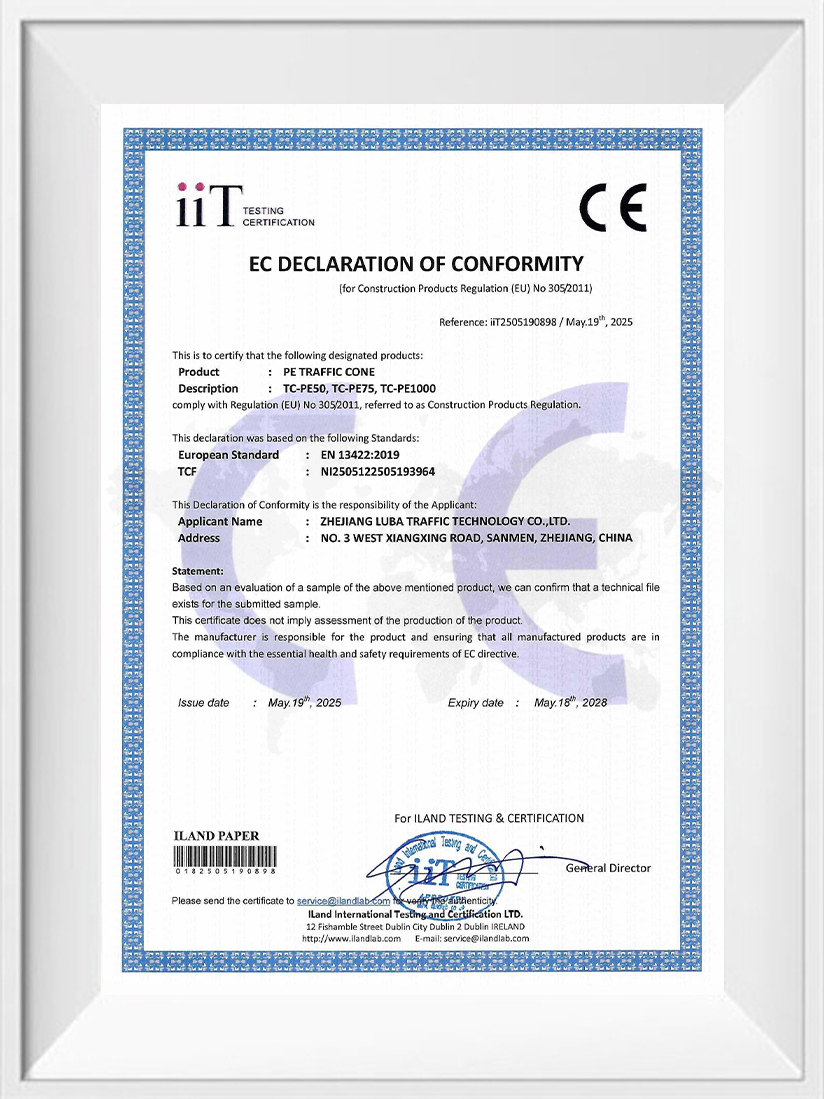
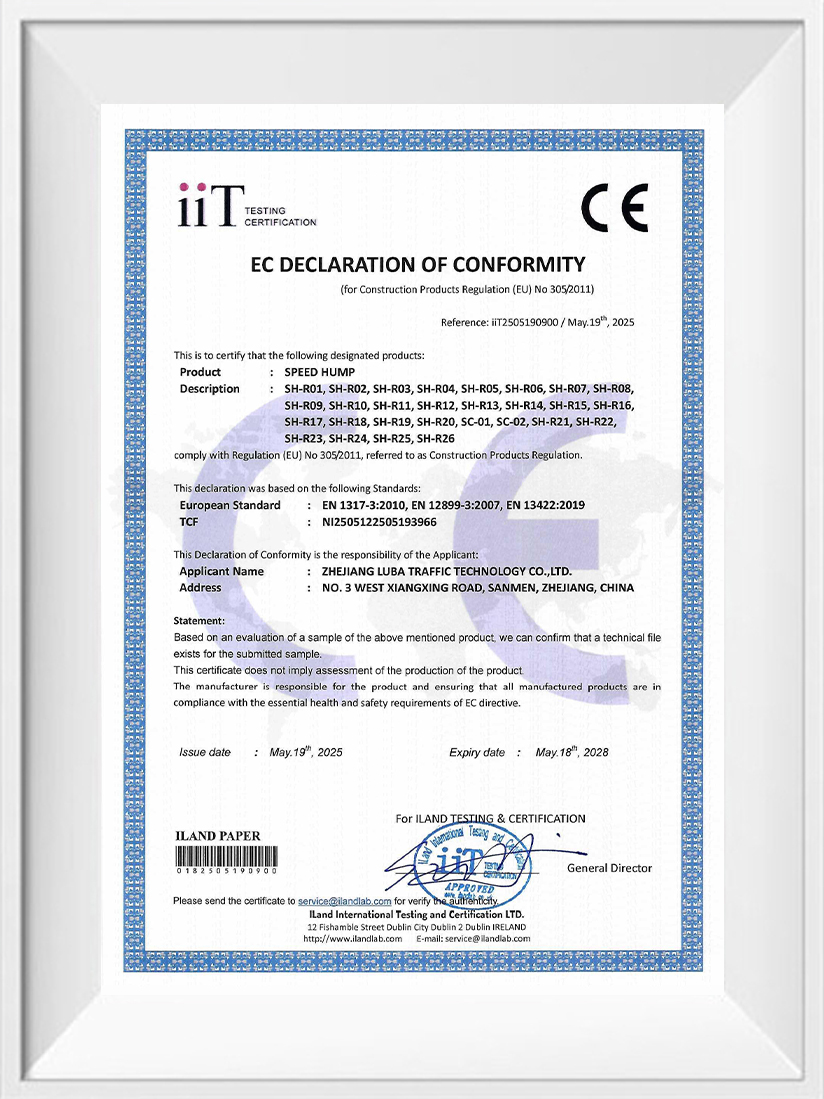
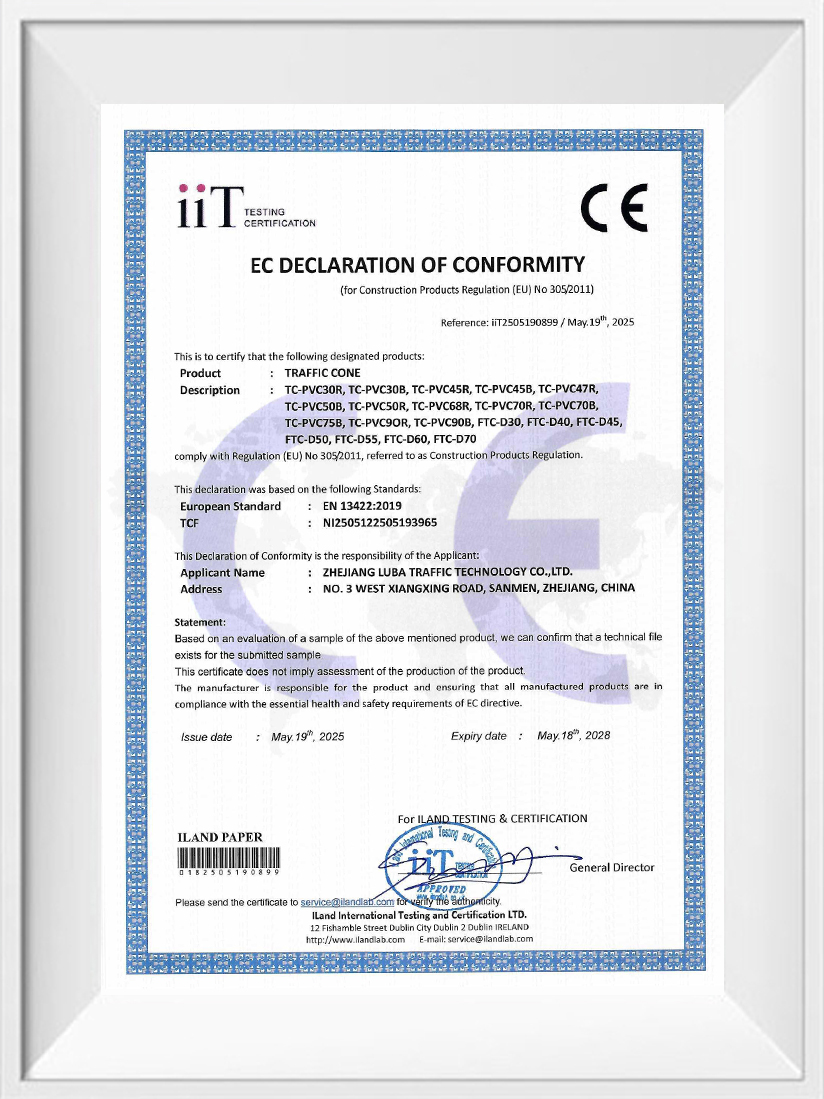
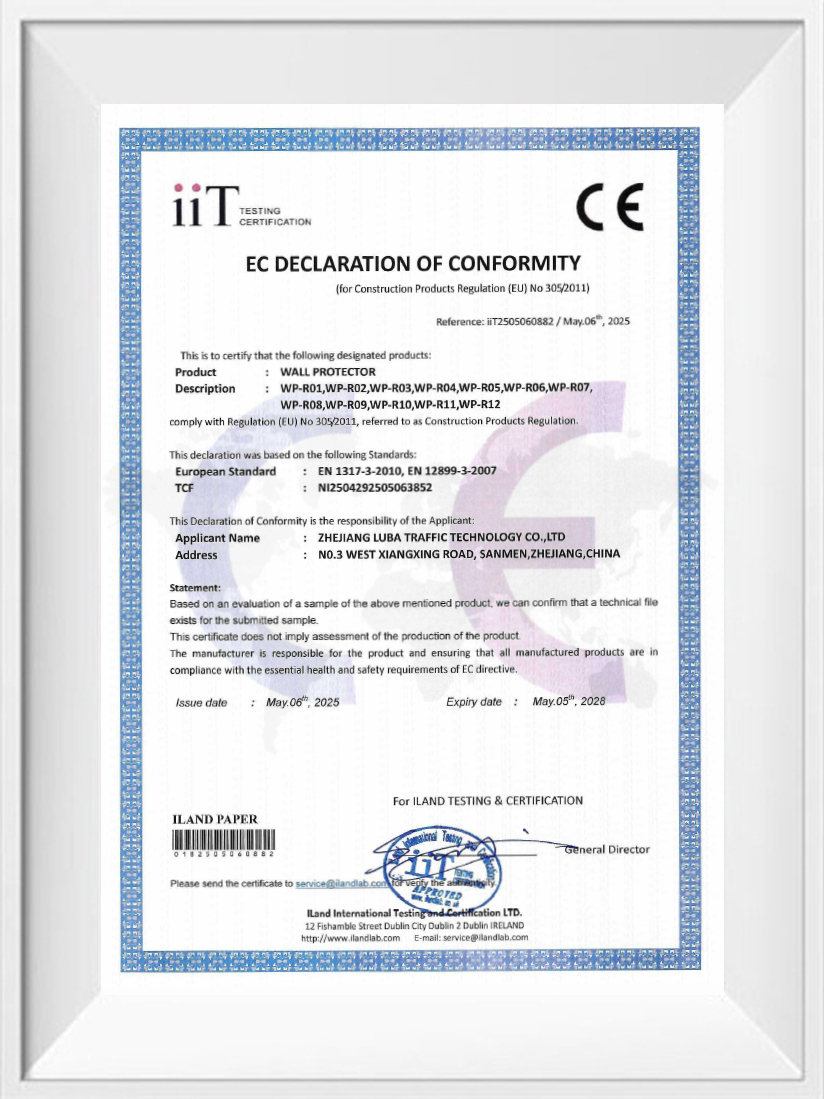
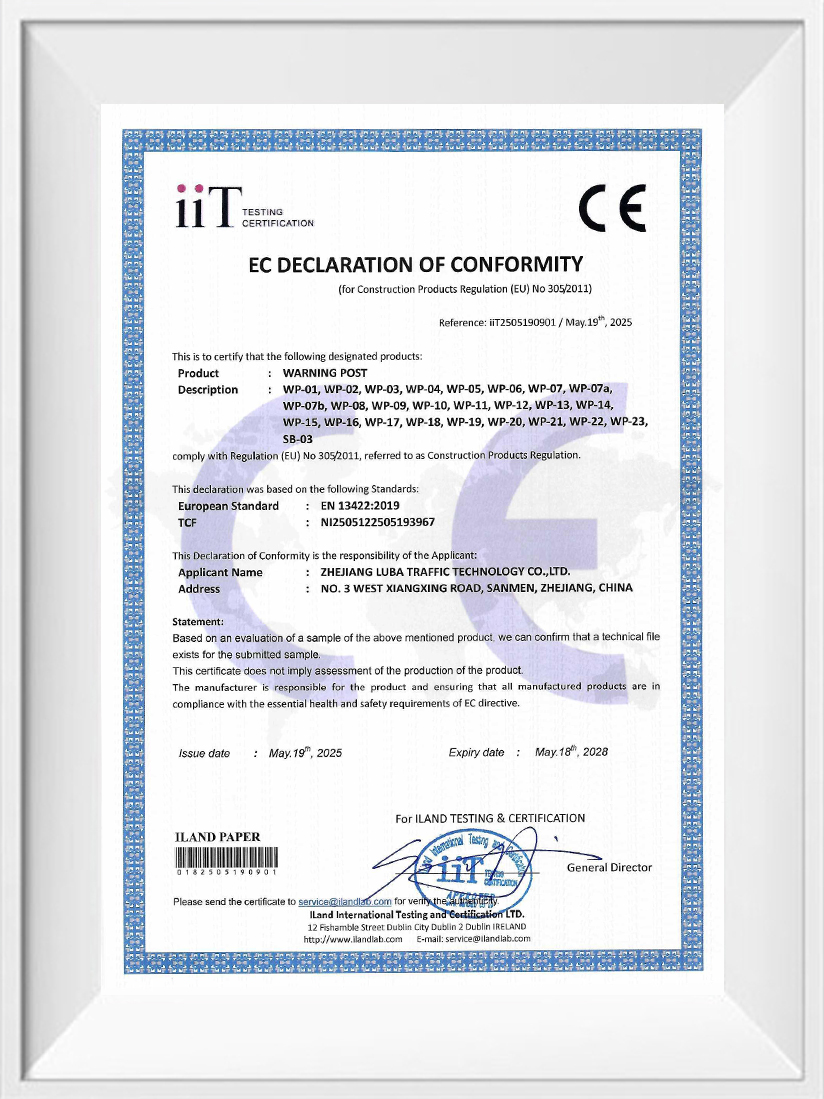
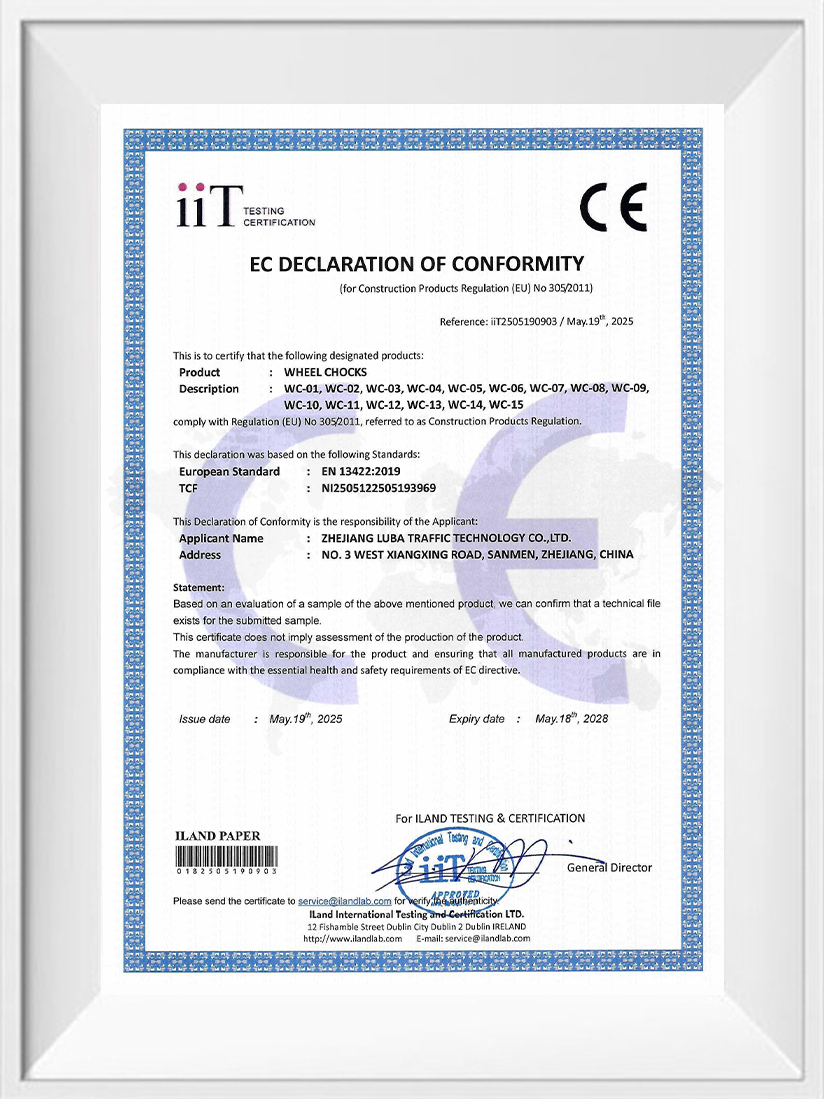
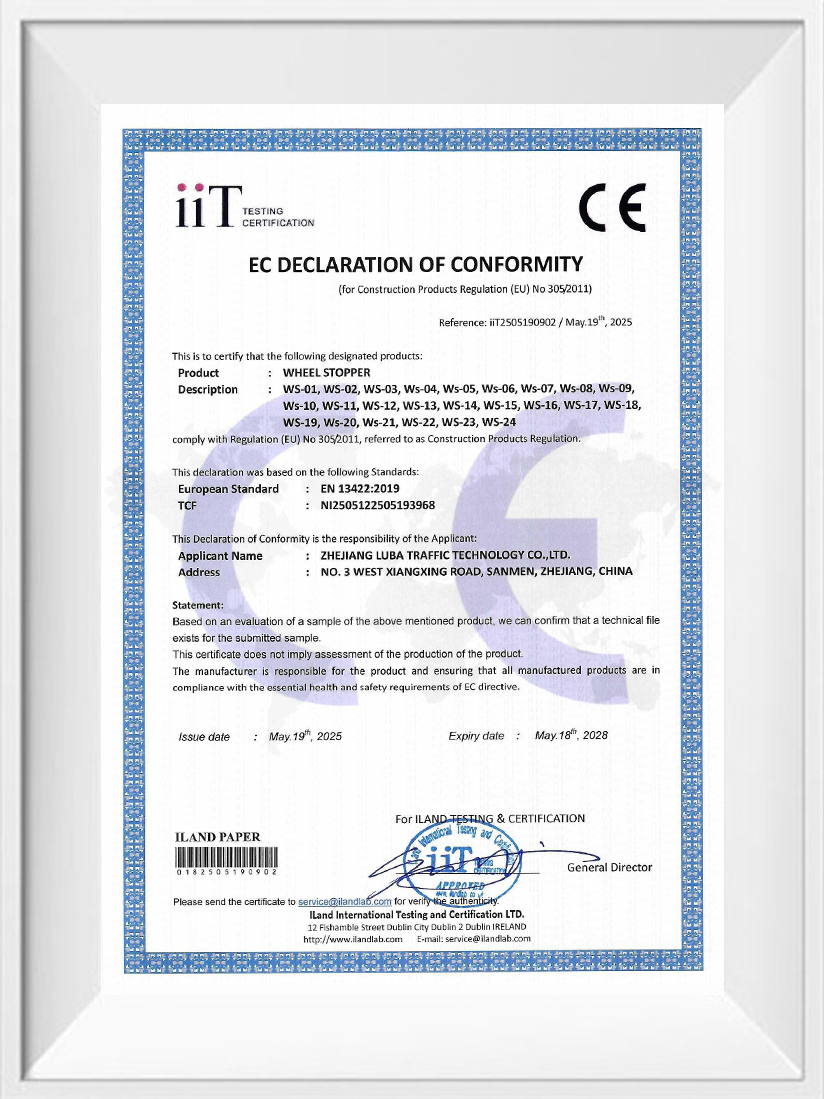
ZHEJIANG LUBA TRAFFIC TECHNOLOGY CO., LTD. * TRAFFIC SAFETY, WE LEAD EVERY STEP * ZHEJIANG LUBA TRAFFIC TECHNOLOGY CO., LTD. * TRAFFIC SAFETY, WE LEAD EVERY STEP * ZHEJIANG LUBA TRAFFIC TECHNOLOGY CO., LTD. * TRAFFIC SAFETY, WE LEAD EVERY STEP * ZHEJIANG LUBA TRAFFIC TECHNOLOGY CO., LTD.
View More
-
 May 01, 2026
 -
May 07, 2026
-
May 07, 2026
-
May 07, 2026

Wherever temporary or permanent cables cross pedestrian walkways, vehicle routes, or work areas, cable protectors provide a dual function: they prevent mechanical damage to cables from foot traffic and vehicle load, and they eliminate the trip hazard that unprotected cables present. Selecting the right cable protector involves matching channel capacity, load rating, and material to the specific deployment environment.
How Cable Protectors Work
A cable protector is essentially a rigid or semi-rigid bridge placed over cables lying on a floor or ground surface. The top surface forms a smooth, stable ramp profile so that people walk over it safely and vehicles drive over it without abrupt jolts. The underside features one or more semicircular or rectangular channels sized to accommodate specific cable diameters. Most designs use a two-part or three-part modular system with a top cover that clips or locks onto a base tray, allowing cables to be inserted without disconnecting them from their endpoints.
Materials range from PVC and polyurethane for light-duty pedestrian applications to heavy-duty recycled rubber compounds rated for repeated passage by forklifts, delivery trucks, or even buses and light rail vehicles. Load ratings typically span from 500 kg to 20,000 kg per axle for rubber-based industrial models.
Common Deployment Scenarios
Cable protectors are deployed across an exceptionally wide range of environments. In construction and civil engineering, they protect temporary power and data cables routed across active work zones. At concerts, trade shows, and outdoor events, they manage the dense cable infrastructure that crosses spectator areas and access roads. In warehouses and logistics facilities, they protect permanent floor-level cable runs from forklift traffic. In broadcasting and film production, they provide a tidy, professional cable management solution that also satisfies on-set safety requirements.
Industrial facilities — particularly those with automated guided vehicle (AGV) systems — increasingly specify heavy-duty cable protectors as a permanent infrastructure element rather than a temporary accessory, integrating them into floor plans during facility design.
Selecting the Right Channel Configuration
The most common configurations offer one, two, three, or five channels, with channel diameters typically ranging from 15mm to 60mm. When specifying, account for the outer diameter of the cable (not the conductor size), any conduit or sleeve around the cable, and future capacity — it is good practice to leave at least one spare channel for cables added later. Modular designs allow sections to be connected end-to-end for longer runs and joined with curved or cross-junction pieces for complex routing needs.
For outdoor use, verify that the rubber compound is UV-stabilized and temperature-rated for the expected climate range. High-visibility yellow top surfaces improve safety in low-light warehouses and outdoor night events.
Maintenance and Longevity
Quality rubber cable protectors require minimal maintenance — periodic cleaning with water and mild detergent is generally sufficient. Inspect locking mechanisms and top covers annually, as repeated vehicle loading can fatigue the clip or hinge systems on lower-quality products. Manufacturers offering a two-year or greater warranty on load-rated models provide a reasonable assurance of build quality.
ZHEJIANG LUBA TRAFFIC TECHNOLOGY CO., LTD. * TRAFFIC SAFETY, WE LEAD EVERY STEP * ZHEJIANG LUBA TRAFFIC TECHNOLOGY CO., LTD. * TRAFFIC SAFETY, WE LEAD EVERY STEP * ZHEJIANG LUBA TRAFFIC TECHNOLOGY CO., LTD. * TRAFFIC SAFETY, WE LEAD EVERY STEP * ZHEJIANG LUBA TRAFFIC TECHNOLOGY CO., LTD.
ZHEJIANG LUBA TRAFFIC TECHNOLOGY CO., LTD. * TRAFFIC SAFETY, WE LEAD EVERY STEP * ZHEJIANG LUBA TRAFFIC TECHNOLOGY CO., LTD. * TRAFFIC SAFETY, WE LEAD EVERY STEP * ZHEJIANG LUBA TRAFFIC TECHNOLOGY CO., LTD. * TRAFFIC SAFETY, WE LEAD EVERY STEP * ZHEJIANG LUBA TRAFFIC TECHNOLOGY CO., LTD.

Zhejiang Luba Traffic Technology Co., Ltd. has been dedicated to the R&D and production of rubber and plastic products in the traffic facilities field since its establishment in 2001.
- (+86) 15724246878
- [email protected]
- No.399 West Guangming Road, Sanmen, Taizhou, Zhejiang, China.
Contact us to get our latest product information.
Copyright © Zhejiang Luba Traffic Technology Co.,Ltd. Rights Reserved.

Rubber Speed Hump Supplier