
 英语
英语 中文简体
中文简体 西班牙语
西班牙语 俄语
俄语Traffic flow changes every day due to construction, maintenance, parking control, and temporary events. Traffic Cones are widely used to guide vehicles and pedestrians through these changing conditions. Their simple shape and bright appearance make them easy to recognize from a distance, helping reduce confusion in areas where normal road markings are not enough.
Unlike permanent fixtures, cones can be moved, stored, and reused as needed. This flexibility allows road operators and facility managers to adjust layouts quickly without altering the surface itself.
Common Challenges Traffic Cones Are Designed to Address
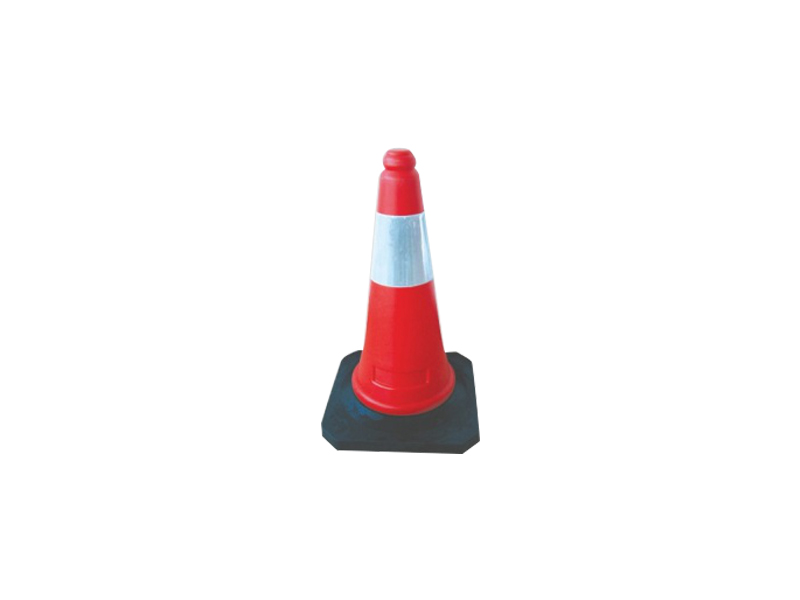
Temporary traffic control often faces time pressure and limited space. Painted lines and fixed barriers require planning and installation, while cones can be placed within minutes. Traffic Cones create visible boundaries around work zones, closed lanes, and restricted parking areas without complex tools.
Another challenge is durability. Cones placed outdoors face sunlight, rain, and repeated contact with vehicles. Rubber-based designs are widely used because they maintain shape after compression and recover after being hit or rolled over. This helps reduce replacement frequency during long-term projects.
Material Choices and Real-World Performance
Rubber traffic cones are molded from dense compounds that provide weight and flexibility at the same time. Compared with lightweight plastic alternatives, rubber cones stay upright more reliably in windy or high-traffic environments. Their surface texture also supports better grip on asphalt or concrete.
Color retention is another concern in outdoor use. Quality formulations slow down fading caused by sunlight exposure, keeping the cone visible over time. Reflective collars are often added to improve recognition during low-light conditions without adding complexity to the structure.
How Manufacturing Experience Shapes Product Stability
A Traffic cone manufacturer with long-term production experience understands how mold design, material ratios, and curing processes influence daily performance. Consistent wall thickness and balanced weight distribution help cones remain stable during placement and handling.
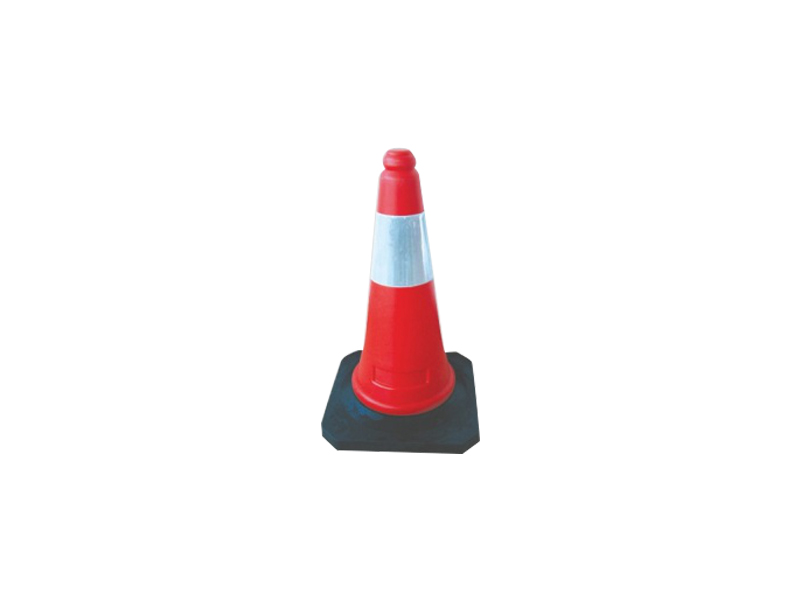
Zhejiang Luba Traffic Technology Co., Ltd., established in 2001, operates as a Rubber Traffic Cones Series manufacturer with large-scale output capability. Located in Zhejiang Province, around 100 kilometers from Ningbo Port, the factory supports efficient export logistics. With an annual production capacity exceeding 20,000 tons, the company develops and produces rubber traffic cones based on drawings or samples, meeting international standards. Products are exported to markets including the United States, Spain, Italy, Australia, South Korea, and Chile.
Selecting Traffic Cones for Long-Term Projects
When cones are used for extended periods, consistency matters more than appearance alone. Height, base width, and weight should match the intended environment, whether it is a parking facility, warehouse entrance, or roadside maintenance area. Working with a Traffic cone manufacturer that offers stable specifications helps reduce on-site adjustments and replacements.
Traffic Cones remain a practical tool because they balance visibility, flexibility, and durability. When produced with attention to material quality and process control, they support clear guidance in changing road conditions and continue to perform reliably across repeated use cycles.