

 English
 简体中文
简体中文 Русский
 Español
ZHEJIANG LUBA TRAFFIC TECHNOLOGY CO., LTD. * TRAFFIC SAFETY, WE LEAD EVERY STEP * ZHEJIANG LUBA TRAFFIC TECHNOLOGY CO., LTD. * TRAFFIC SAFETY, WE LEAD EVERY STEP * ZHEJIANG LUBA TRAFFIC TECHNOLOGY CO., LTD. * TRAFFIC SAFETY, WE LEAD EVERY STEP * ZHEJIANG LUBA TRAFFIC TECHNOLOGY CO., LTD.
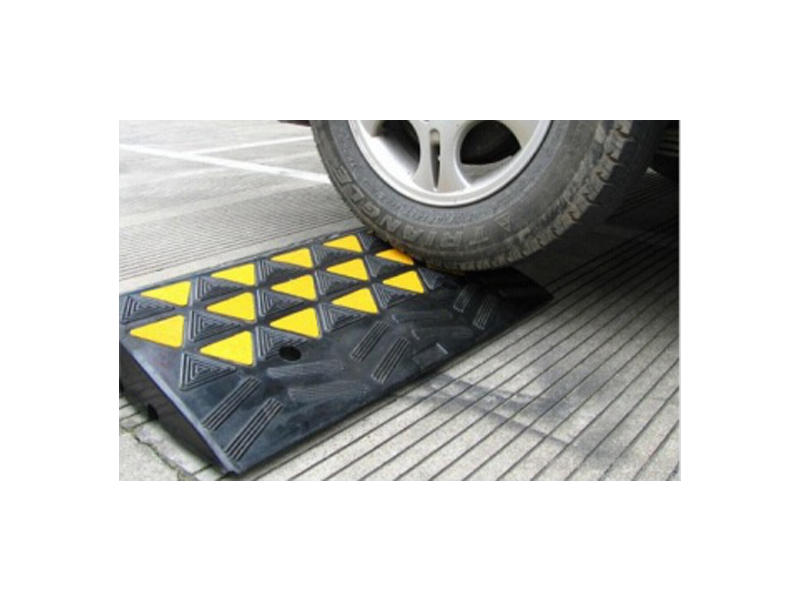
Why Choose A Rubber Kerb Ramp For Height Transitions?
Urban spaces, warehouses, parking areas, and loading zones often share the same issue: height differences between road surfaces and kerbs. These gaps slow down vehicles, cause discomfort during movement, and increase wear on tires and equipment. A Rubber Kerb Ramp is designed to smooth these transitions and support regular vehicle movement without complex construction work. This article looks at real concerns users face and explains how this type of ramp addresses them in daily operations.
Why Height Transitions Create Ongoing Problems
Kerbs are useful for defining road edges, but they also interrupt smooth movement. Repeated contact between tires and sharp edges increases abrasion and vibration. In busy areas, this affects forklifts, pallet trucks, carts, and passenger vehicles alike. A Rubber Kerb Ramp fills this vertical gap with a gradual slope, allowing vehicles to move up and down with less resistance.
Compared with rigid materials, rubber adapts better to repeated loading. It absorbs part of the impact from wheels and reduces noise during operation. For facilities where vehicles move in and out throughout the day, this difference becomes noticeable over time.
Key Features That Matter in Real Use
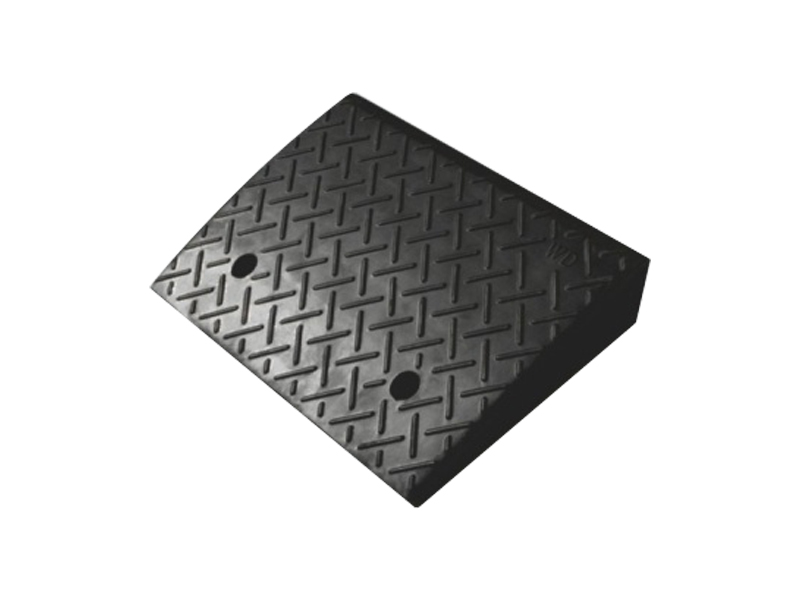
A Rubber Kerb Ramp is typically made from high-density recycled rubber. This material choice offers stable friction on the surface, even during rain or dust exposure. Drainage grooves are often molded into the design to prevent water buildup, helping maintain traction in outdoor environments.
Weight and structure are also important. A well-designed ramp stays in place under vehicle movement without constant repositioning. Modular sizing allows users to align multiple units to match wider access points. These features make the ramp suitable for both temporary setups and long-term placement.
How Manufacturing Experience Influences Performance
Not all ramps perform the same way under load. A Rubber Kerb Ramp Manufacturer with long-term production experience understands how compound formulation, molding pressure, and curing time affect durability. Consistency in these steps helps keep dimensions accurate and load response predictable.
Zhejiang Luba Traffic Technology Co., Ltd., established in 2001, operates as a Rubber Kerb Ramp Manufacturer with large-scale output and in-house development capability. Located in Zhejiang Province near Ningbo Port, the factory supports stable export logistics. With annual production capacity exceeding 20,000 tons, it supplies customized ramps based on drawings or samples while maintaining compliance with international standards. Products are shipped to markets such as the United States, Spain, Italy, Australia, and South Korea.
Comparing Rubber Ramps with Traditional Alternatives
Concrete and metal ramps are common, but they bring limitations. Concrete requires fixed installation and surface work, while metal ramps can generate noise and surface wear. A Rubber Kerb Ramp offers flexibility in placement and removal, making it suitable for sites that change layout or usage frequency.
Rubber also reacts differently to temperature changes. It maintains its form without cracking in colder conditions and does not become overly rigid in warmer climates. This stability supports consistent performance throughout seasonal changes.
Installation and Long-Term Use Considerations
Installation usually involves positioning the ramp flush against the kerb edge, sometimes with anchoring, depending on traffic frequency. Surface preparation is minimal compared to poured materials. Once installed, routine checks focus on alignment and surface condition rather than structural repair.
Working with a Rubber Kerb Ramp Manufacturer that provides clear specifications helps match ramp height, slope angle, and load rating to the actual use environment. This alignment reduces trial-and-error during setup and supports smoother daily operation over time.
A Rubber Kerb Ramp is not just a simple accessory. It is a practical response to everyday access issues found in modern infrastructure, logistics areas, and parking environments. When designed and produced by an experienced Rubber Kerb Ramp Manufacturer, it becomes a reliable component that supports efficient movement without adding complexity to the site.
ZHEJIANG LUBA TRAFFIC TECHNOLOGY CO., LTD. * TRAFFIC SAFETY, WE LEAD EVERY STEP * ZHEJIANG LUBA TRAFFIC TECHNOLOGY CO., LTD. * TRAFFIC SAFETY, WE LEAD EVERY STEP * ZHEJIANG LUBA TRAFFIC TECHNOLOGY CO., LTD. * TRAFFIC SAFETY, WE LEAD EVERY STEP * ZHEJIANG LUBA TRAFFIC TECHNOLOGY CO., LTD.
ZHEJIANG LUBA TRAFFIC TECHNOLOGY CO., LTD. * TRAFFIC SAFETY, WE LEAD EVERY STEP * ZHEJIANG LUBA TRAFFIC TECHNOLOGY CO., LTD. * TRAFFIC SAFETY, WE LEAD EVERY STEP * ZHEJIANG LUBA TRAFFIC TECHNOLOGY CO., LTD. * TRAFFIC SAFETY, WE LEAD EVERY STEP * ZHEJIANG LUBA TRAFFIC TECHNOLOGY CO., LTD.

Zhejiang Luba Traffic Technology Co., Ltd. has been dedicated to the R&D and production of rubber and plastic products in the traffic facilities field since its establishment in 2001.
- (+86) 15724246878
- [email protected]
- No.399 West Guangming Road, Sanmen, Taizhou, Zhejiang, China.
Contact us to get our latest product information.
Copyright © Zhejiang Luba Traffic Technology Co.,Ltd. Rights Reserved.

Rubber Speed Hump Supplier