
 英语
英语 中文简体
中文简体 西班牙语
西班牙语 俄语
俄语Traffic Cones play a bigger role than many people assume. Contractors, event organizers, ground crews, and parking operators rely on them whenever a temporary boundary or a clear visual reminder is needed. Their cone-shaped structure and bright color make them easy to deploy and easy to notice, which is why they appear in both everyday environments and specialized industrial settings. Buyers often want to know which details influence durability, visibility, and practical setup before selecting a supplier.
1. Why Are Traffic Cones So Useful in Daily Work Zones?
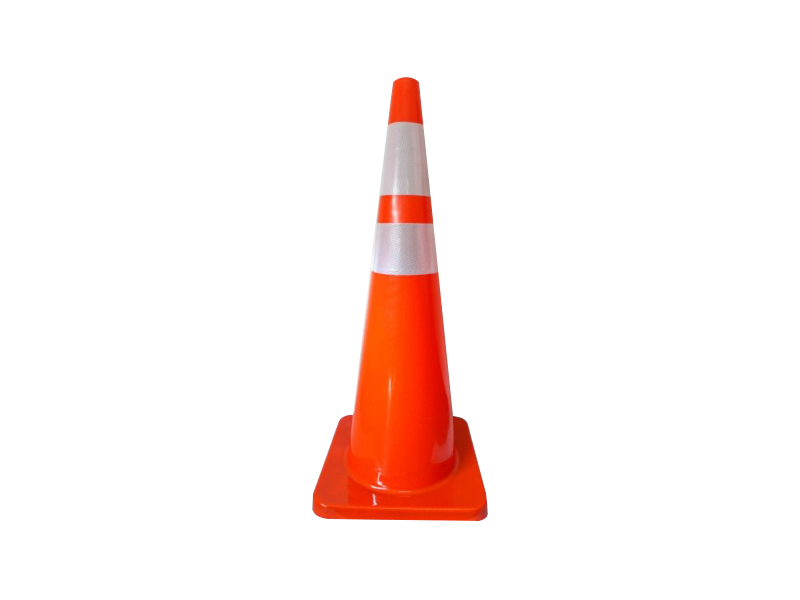
Traffic Cones are commonly used in short-term projects, accident zones, or temporary detours to guide both drivers and pedestrians. Their role is straightforward: create a visible boundary that helps people adjust their movement quickly. The fluorescent orange color paired with reflective sheeting in silver or gray allows the cone to be seen from different directions, day or night. This visibility helps crews keep work areas organized and reduces confusion around changed routing.
In many settings, cones support frequent adjustments. Whether redirecting a crowd at a festival or setting up buffer zones around a construction site, users need markers that can be moved instantly. The lightweight yet stable structure of a cone allows workers to arrange or remove them without equipment, which saves time during repeated repositioning.
2. What materials help extend the service life of Traffic Cones?
Buyers often ask about durability because cones are exposed to various outdoor conditions. A typical Traffic Cones Factory uses PVC to give the product flexibility and impact resistance. When a vehicle wheel runs over the cone, the material bends rather than cracks, allowing the cone to return to shape without structural damage. For areas with frequent repositioning or heavy vehicle movement, this flexibility becomes a practical advantage.
In addition to impact resilience, buyers value resistance to sunlight, heat, and cold. PVC combined with anti-UV properties helps maintain color brightness and surface stability. A cone that resists cracking or fading can stay in service for years, which matters for facilities managing large inventories or long-term projects.
3. Where do Traffic Cones offer the greatest day-to-day convenience?
The range of applications is wide, which is why procurement teams often view cones as multi-purpose tools. They are widely used to zone construction areas, form pedestrian corridors during events, organize parking lot traffic, and separate walking paths from vehicles. Ground crews at airports also rely on cones around aircraft to prevent accidental contact with engines or equipment.
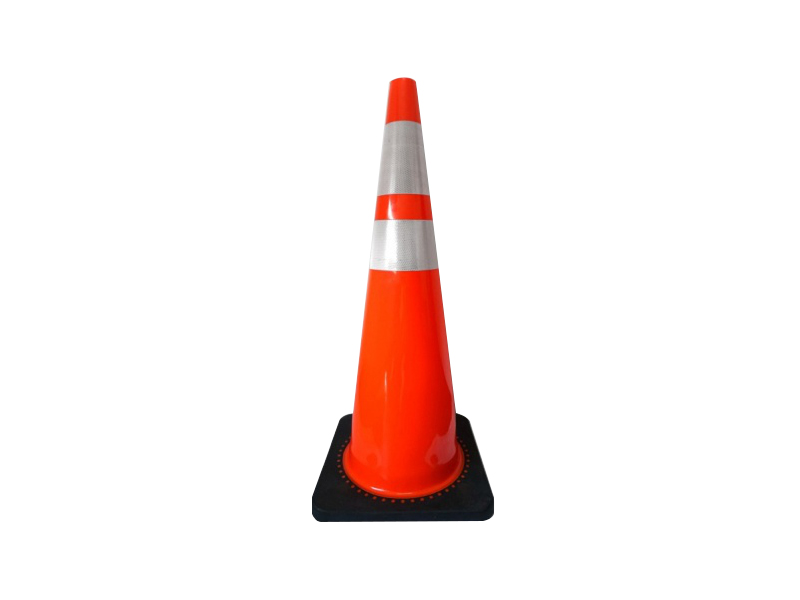
Cones can even be used in unexpected ways. When flipped upside down, some users treat them as funnels or temporary stands. Sports organizers use them to mark boundaries or guide players during training. Because cones can be stacked tightly, they occupy little storage space and can be transported in large quantities without increasing logistics pressure.
4. How does a Traffic Cones Factory support visibility and practical handling?
Reflective material is one of the main expectations among buyers. A well-made cone carries two reflective tapes that catch light from vehicles at night. This brightness helps drivers recognize lane changes early and supports work crews who operate during evening shifts. During the day, the fluorescent orange surface remains highly noticeable from a distance.
Factories also focus on practical handling. A reasonable cone design allows units to stack one by one, helping distributors move large batches efficiently. The balanced weight supports stability during windy conditions while remaining easy to relocate during setup.
Traffic Cones remain one of the simplest tools for organizing movement, yet their design influences daily efficiency on roads, event sites, factories, parking areas, and aviation grounds. Working with an experienced Traffic Cones Factory helps buyers receive consistent quality, suitable material performance, and a structure that supports frequent adjustments in real environments.