

 English
 简体中文
简体中文 Русский
 Español
ZHEJIANG LUBA TRAFFIC TECHNOLOGY CO., LTD. * TRAFFIC SAFETY, WE LEAD EVERY STEP * ZHEJIANG LUBA TRAFFIC TECHNOLOGY CO., LTD. * TRAFFIC SAFETY, WE LEAD EVERY STEP * ZHEJIANG LUBA TRAFFIC TECHNOLOGY CO., LTD. * TRAFFIC SAFETY, WE LEAD EVERY STEP * ZHEJIANG LUBA TRAFFIC TECHNOLOGY CO., LTD.
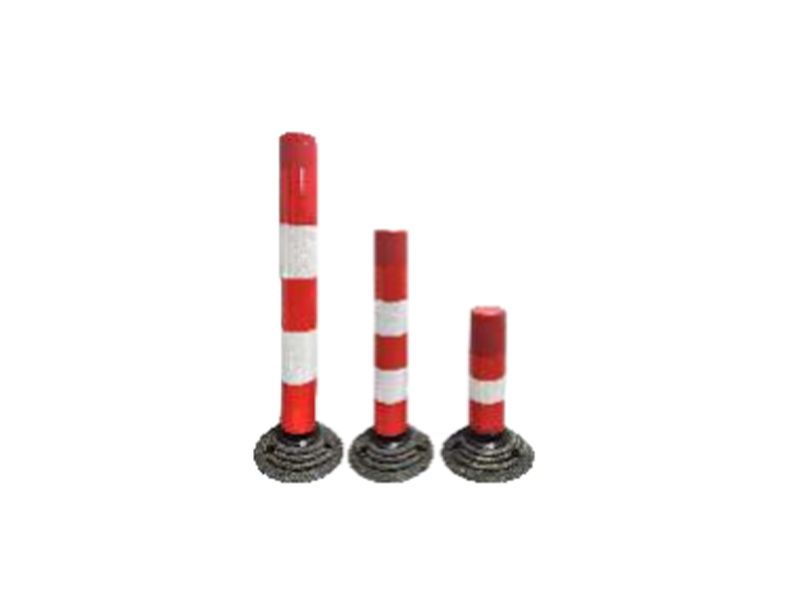
Enhancing Visibility with Warning Post Solutions for Safer Environments!
In environments where safety is a priority, visibility plays a crucial role in preventing accidents and guiding people or vehicles correctly. Whether on a busy road, inside a warehouse, or near a construction site, clear visual signals are essential. This is where the Warning Post stands out as an effective and reliable solution. Designed with high visibility features, a Warning Post serves as both a physical barrier and a visual cue, enhancing safety during both daytime and nighttime conditions.
The Role of Visibility in Safety
Visibility is one of the foundational aspects of safety planning. When individuals are able to see and recognize hazards in time, the chances of accidents are greatly reduced. A Warning Post is designed with this in mind. Using bright colors like red, orange, or yellow, a Warning Post captures attention even from a distance. These colors are commonly associated with caution and alertness, making them highly effective for warning purposes.
However, color alone is not always enough, especially during low-light or harsh weather conditions. That’s why a high-quality Warning Post incorporates reflective bands or 360-degree reflective sheeting. These additions ensure the post remains visible at night, in fog, or during heavy rain.
What Makes a High Visibility Warning Post
A Warning Post equipped with high-intensity reflective film is more than just a barrier—it becomes an active part of your safety strategy. The 360° reflective feature ensures that no matter which direction a vehicle or pedestrian approaches from, the post can still be seen. This is especially helpful in areas with limited lighting or when natural visibility is compromised.
Another critical factor is the brightness of the base color. Many Warning Post models are produced in vibrant shades using UV-resistant materials, which help maintain their color even after prolonged outdoor exposure. This means the visual warning does not fade easily, ensuring long-term reliability.
Applications of Warning Posts in Various Environments
The versatility of a Warning Post allows it to be used in multiple settings. On roads, it helps delineate lanes or mark out construction zones. In parking lots, it can guide vehicles safely or block restricted areas. Inside warehouses or factories, a Warning Post can be used to keep foot traffic away from hazardous equipment or machinery.
Because of its high visibility, a Warning Post also works well in emergency scenarios. Whether it's redirecting traffic during an accident or marking unsafe terrain, the ability to quickly deploy and clearly identify the Warning Post is a significant advantage.
Visibility Enhancements that Go Beyond Daylight
One of the standout features of modern Warning Post designs is their ability to function well beyond daylight hours. The reflective materials used in these posts are designed to bounce back light from vehicle headlights, flashlights, or building illumination. This makes them valuable additions in night shifts, rural areas with limited street lighting, or during power outages.
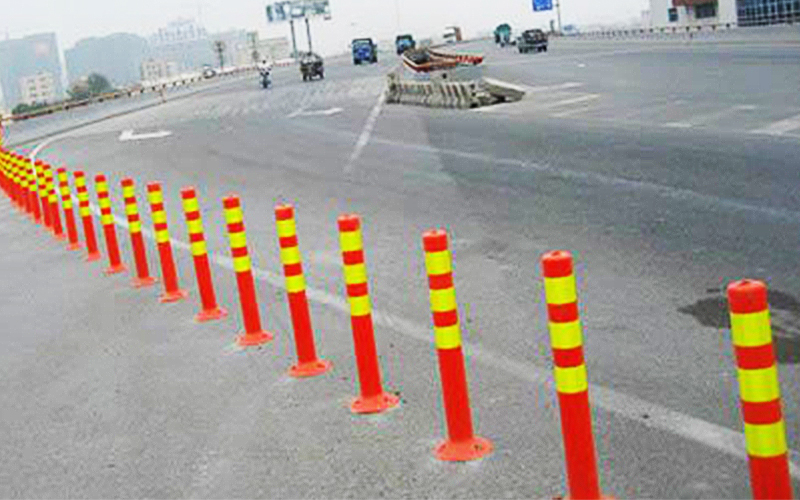
Some Warning Post designs are even compatible with LED warning lights or solar-powered beacons, offering additional visibility in complete darkness. Combined with their brightly colored base and reflective tape, these features help ensure a Warning Post is seen whenever and wherever it is needed.
Durable Materials That Support Long-Term Visibility
While visibility is key, durability is also essential. A Warning Post that maintains its structure and brightness after months or years of exposure to weather conditions is a better investment. High-quality materials such as flexible PU (polyurethane), HDPE (high-density polyethylene), or impact-resistant PVC are commonly used to manufacture Warning Post products.
These materials are chosen not just for their toughness, but also for their ability to retain color and resist wear. The combination of durable material and high-visibility features ensures that each Warning Post continues to serve its purpose effectively over time.
Visibility as a Line of Defense
Safety often begins with being seen. Whether preventing a car from entering a restricted zone or guiding pedestrians away from hazardous areas, visibility is often the step. That is why so much attention is given to the design of a Warning Post. It acts not just as a passive object, but as a proactive safety tool that communicates clearly and quickly.
In crowded environments where distractions are everywhere, having a Warning Post that stands out due to its color and reflectivity can make a critical difference. It reduces the chances of oversight and allows individuals to react in a timely manner.
Choosing the Right Warning Post for Your Needs
When selecting a Warning Post, visibility should be one of the main criteria. Look for models with bright colors and certified reflective materials. Consider the height and shape as well, as these can affect how visible the post is from a distance or while driving.
Also, evaluate whether you need fixed posts or mobile versions that can be relocated easily. For temporary events or changing work zones, portable Warning Post units with weighted bases are a practical choice.
The Warning Post plays an important role in enhancing visual safety across different settings. Its design, centered on high visibility, ensures that it remains an effective barrier and guide both day and night. With features such as bright coloring, 360-degree reflective film, and durable construction, the Warning Post is a dependable safety asset in environments where visibility can save time, prevent confusion, and improve overall protection.
Whether used in traffic management, industrial facilities, or public spaces, the visibility-focused design of the Warning Post ensures that it delivers consistent and reliable performance every time it is deployed.
ZHEJIANG LUBA TRAFFIC TECHNOLOGY CO., LTD. * TRAFFIC SAFETY, WE LEAD EVERY STEP * ZHEJIANG LUBA TRAFFIC TECHNOLOGY CO., LTD. * TRAFFIC SAFETY, WE LEAD EVERY STEP * ZHEJIANG LUBA TRAFFIC TECHNOLOGY CO., LTD. * TRAFFIC SAFETY, WE LEAD EVERY STEP * ZHEJIANG LUBA TRAFFIC TECHNOLOGY CO., LTD.
ZHEJIANG LUBA TRAFFIC TECHNOLOGY CO., LTD. * TRAFFIC SAFETY, WE LEAD EVERY STEP * ZHEJIANG LUBA TRAFFIC TECHNOLOGY CO., LTD. * TRAFFIC SAFETY, WE LEAD EVERY STEP * ZHEJIANG LUBA TRAFFIC TECHNOLOGY CO., LTD. * TRAFFIC SAFETY, WE LEAD EVERY STEP * ZHEJIANG LUBA TRAFFIC TECHNOLOGY CO., LTD.

Zhejiang Luba Traffic Technology Co., Ltd. has been dedicated to the R&D and production of rubber and plastic products in the traffic facilities field since its establishment in 2001.
- (+86) 15724246878
- [email protected]
- No.399 West Guangming Road, Sanmen, Taizhou, Zhejiang, China.
Contact us to get our latest product information.
Copyright © Zhejiang Luba Traffic Technology Co.,Ltd. Rights Reserved.

Rubber Speed Hump Supplier