

 English
 简体中文
简体中文 Русский
 Español
ZHEJIANG LUBA TRAFFIC TECHNOLOGY CO., LTD. * TRAFFIC SAFETY, WE LEAD EVERY STEP * ZHEJIANG LUBA TRAFFIC TECHNOLOGY CO., LTD. * TRAFFIC SAFETY, WE LEAD EVERY STEP * ZHEJIANG LUBA TRAFFIC TECHNOLOGY CO., LTD. * TRAFFIC SAFETY, WE LEAD EVERY STEP * ZHEJIANG LUBA TRAFFIC TECHNOLOGY CO., LTD.
How Does A Cable Protector Actually Handle Pressure And Daily Friction?
A Cable Protector is a small detail on busy floors, construction areas, or public event routes, yet it often becomes the point customers return to when cables need stable coverage. The moment cables cross vehicle paths or pedestrian aisles, buyers want to understand how this simple rubber product reduces interruption, prevents hidden losses, and keeps a project running in a smoother way. Many users also want to know how Cable Protector Manufacturers design products that hold up under repeated pressure from forklifts, cars, or foot traffic.
1. Cable Protector actually handle pressure and daily friction
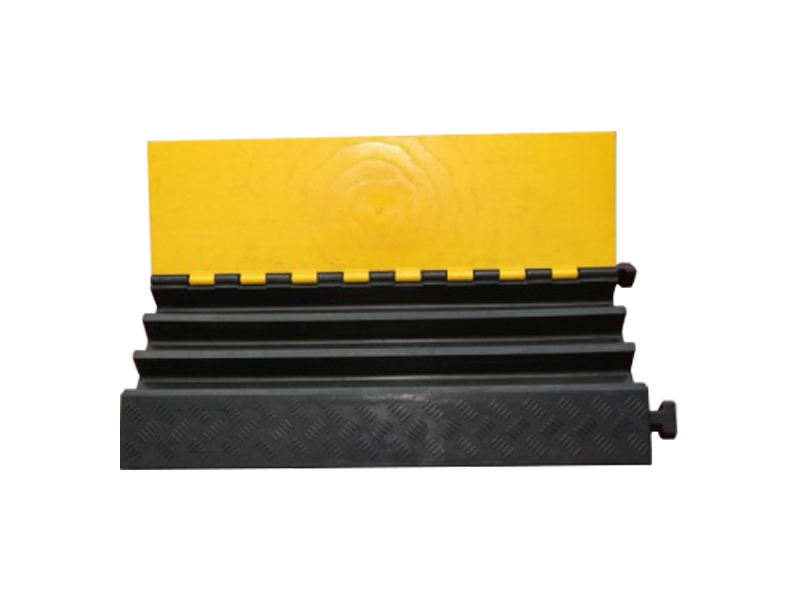
For many buyers, the early concern is durability. Industrial rubber formulas determine how well the protector carries repeated loads without creating bumps or breaking down over time. Makers such as Zhejiang Luba Traffic Technology Co., Ltd. focus on rubber compounds built for long-term pressure resistance. Their channel-style Cable Protector uses rubber for the base and PVC for the lid, providing firmness on the bottom and flexibility on top.
This structure helps reduce wear on vehicles and keeps the cable shielded from surface impact. Unlike temporary covers or tape, a rubber-built Cable Protector spreads pressure steadily, allowing cars or small equipment to pass without disturbing the cable line. The ability to withstand repeated movements becomes a practical requirement in warehouses, exhibition areas, and hotel corridors where traffic runs throughout the day.
2. What details help a Cable Protector stand out in real working spaces?
Users working across events, industrial floors, or logistic points want products that stay noticeable without creating disruption. This is why clear colour contrast makes sense. The yellow-and-black design common among experienced Cable Protector Manufacturers offers visibility in both daytime and nighttime environments. It signals drivers to adjust speed and draws attention without additional lighting.
Another user concern is whether the installation takes too much time. A Cable Protector is meant to be a fast solution. Opening the upper lid, placing the cable inside, and closing the cover is usually all that is required. Teams in event planning or emergency setups often highlight this simplicity because it saves manpower and avoids delays when schedules are tight.
3. Where do buyers typically use Cable Protectors, and what do they expect from them?
Application scenarios vary, but the expectations are often similar: stable coverage, clear visibility, and reliable support across different ground conditions.
A Cable Protector is used in parking areas, outdoor squares, sports grounds, warehouses, and community roads—anywhere cables may cross a moving route. In a factory workshop where forklifts run frequently, buyers want assurance that the cable stays protected while the floor remains orderly. In exhibition halls, event teams look for a neat layout that avoids public hazards and keeps paths clean for visitors.
Buyers working in construction or outdoor activities often focus on whether the product performs in changing weather. Rubber-based Cable Protectors handle rain or sunlight without becoming too slippery or unstable. This makes them workable in both indoor and outdoor setups, whether temporary or long-term.
4. What do buyers expect from Cable Protector Manufacturers during sourcing?
Choosing the right supplier shapes the long-term performance of any cable protection plan. Many clients prefer Cable Protector Manufacturers with proven production abilities, customisation options, and export experience. Companies like Zhejiang Luba Traffic Technology Co., Ltd. operate with an annual production capacity above 20,000 tons and accept drawings or samples for customised development, which matters to clients who need special channel sizes or specific design adjustments.
Reliable manufacturers also keep their products aligned with international requirements. This makes cross-border sourcing easier for clients in North America, Europe, or the Asia-Pacific regions. Buyers often mention that working with a factory near major ports improves shipping schedules. Luba's location near Ningbo Port, for example, reduces transit time for bulk orders.
When sourcing Cable Protectors, customers also look for steady communication: quick response on technical questions, clear material data, and support for long-term supply. These factors help distributors, wholesalers, and project contractors plan their stock and avoid project interruptions.
ZHEJIANG LUBA TRAFFIC TECHNOLOGY CO., LTD. * TRAFFIC SAFETY, WE LEAD EVERY STEP * ZHEJIANG LUBA TRAFFIC TECHNOLOGY CO., LTD. * TRAFFIC SAFETY, WE LEAD EVERY STEP * ZHEJIANG LUBA TRAFFIC TECHNOLOGY CO., LTD. * TRAFFIC SAFETY, WE LEAD EVERY STEP * ZHEJIANG LUBA TRAFFIC TECHNOLOGY CO., LTD.
ZHEJIANG LUBA TRAFFIC TECHNOLOGY CO., LTD. * TRAFFIC SAFETY, WE LEAD EVERY STEP * ZHEJIANG LUBA TRAFFIC TECHNOLOGY CO., LTD. * TRAFFIC SAFETY, WE LEAD EVERY STEP * ZHEJIANG LUBA TRAFFIC TECHNOLOGY CO., LTD. * TRAFFIC SAFETY, WE LEAD EVERY STEP * ZHEJIANG LUBA TRAFFIC TECHNOLOGY CO., LTD.

Zhejiang Luba Traffic Technology Co., Ltd. has been dedicated to the R&D and production of rubber and plastic products in the traffic facilities field since its establishment in 2001.
- (+86) 15724246878
- [email protected]
- No.399 West Guangming Road, Sanmen, Taizhou, Zhejiang, China.
Contact us to get our latest product information.
Copyright © Zhejiang Luba Traffic Technology Co.,Ltd. Rights Reserved.

Rubber Speed Hump Supplier