
 英语
英语 中文简体
中文简体 西班牙语
西班牙语 俄语
俄语Every driver has experienced that uneasy moment when a car scrapes against a high curb or struggles to climb a driveway edge. The solution is often smaller and simpler than people imagine-the Rubber Kerb Ramp. Designed with practicality in mind, this compact yet sturdy product makes transitions from street to curb smoother for vehicles, wheelchairs, and even trolleys. It's one of those pieces of road equipment that quietly makes daily life easier.
1. Why Rubber Matters
The reason many people choose a Rubber Kerb Ramp instead of metal or concrete options lies in the material itself. Rubber has a natural flexibility that absorbs shock instead of transferring it to the car's suspension. It's strong, pressure-resistant, and quiet when in use. Whether it's a car rolling into a parking lot or a delivery truck entering a warehouse, the ramp handles the weight smoothly without cracking or creating loud noise.
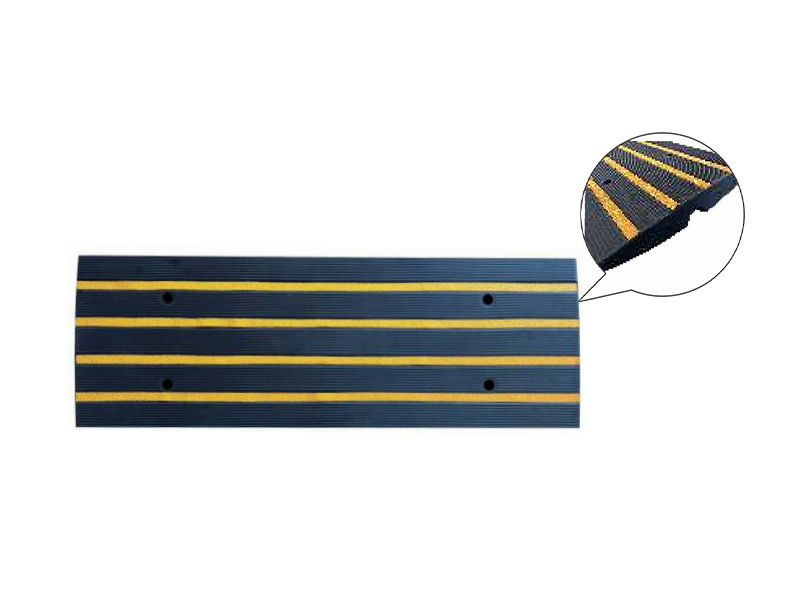
Made from high-strength or recycled rubber, it's built to last through constant vehicle use and changing weather. Unlike rigid materials that can chip or corrode, rubber remains stable through rain, snow, or heat. It also has a mild odor and does not easily fade, which makes it suitable for outdoor applications in residential, commercial, and industrial areas.
2. Smart Design for Real-World Conditions
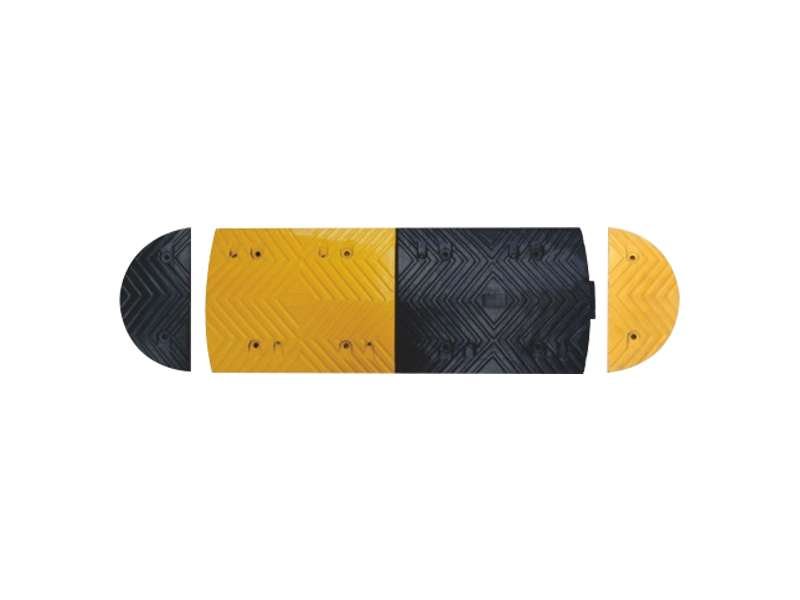
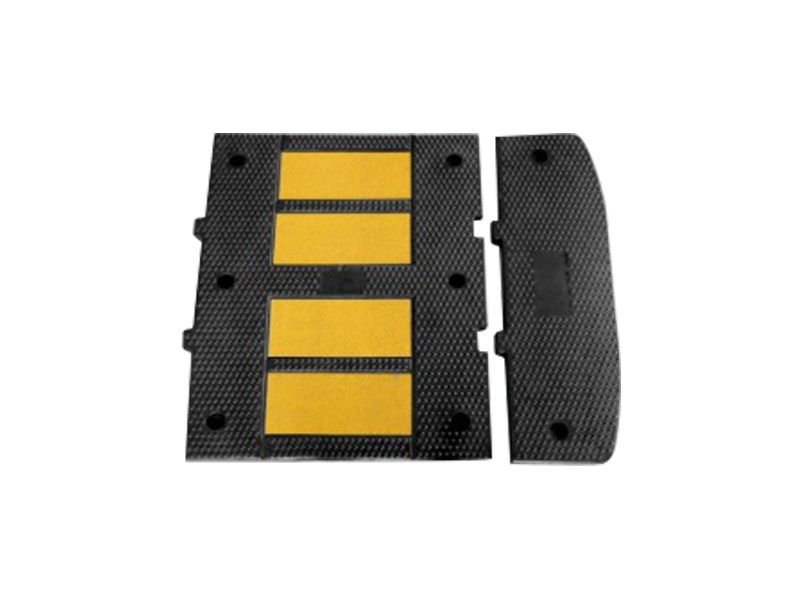
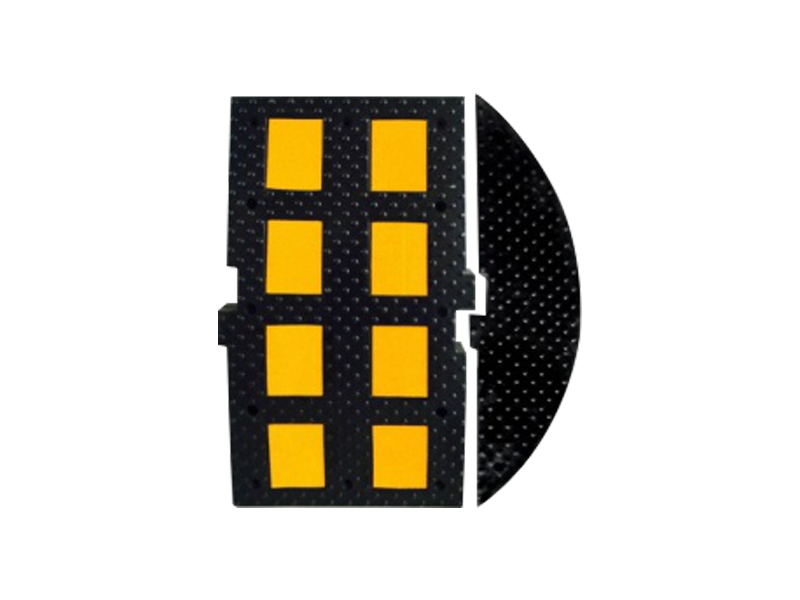
The slope design of the Rubber Kerb Ramp is intentional. It allows vehicles of different sizes to pass comfortably while protecting the car's underside and the curb itself. The surface features anti-skid textures that increase friction, keeping wheels from slipping in wet or icy conditions.
Some designs use a hollow grid structure underneath. This feature reduces weight without sacrificing strength, making it easier to move and install. At the same time, it helps the ramp stay stable on the ground, preventing it from sliding when vehicles go over it.
The installation process is also straightforward. Manufacturers use expansion screws and anchoring technology to fix each ramp firmly to the surface. Once installed, it stays stable even under repeated impact, which is why many facilities choose it for driveways, loading docks, and entrances.
3. Everyday Convenience
One of the biggest advantages of the Rubber Kerb Ramp is how practical it is for everyday users. For downtown shops without dedicated parking spaces, it helps create a temporary access path for customers' cars. It can be set up outside during business hours and removed afterward.
Private car owners also find it handy. Carrying a portable ramp in the trunk can save a lot of trouble when parking in unfamiliar areas or at hotels and malls with high curbs. By placing a small ramp temporarily, the driver can protect the car's suspension and make entry and exit smoother.
For people using wheelchairs, scooters, or delivery carts, the ramp provides safer access to doorways and raised platforms. Many Rubber curb ramp Manufacturers design models suitable for both vehicles and pedestrians, offering a versatile solution that improves mobility for everyone.

4. Built for a Range of Environments
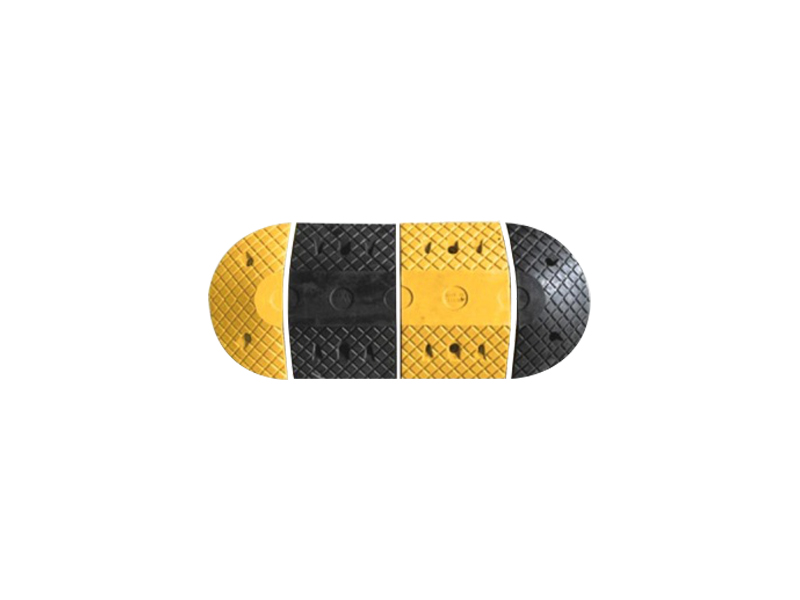
These ramps are used in more places than many people realize. You can find them outside stores, in parking lots, at building entrances, hospitals, schools, and even at construction sites. They're especially useful in locations with frequent vehicle movement where the curb height varies. Because they can be linked together, users can create longer access paths when needed.
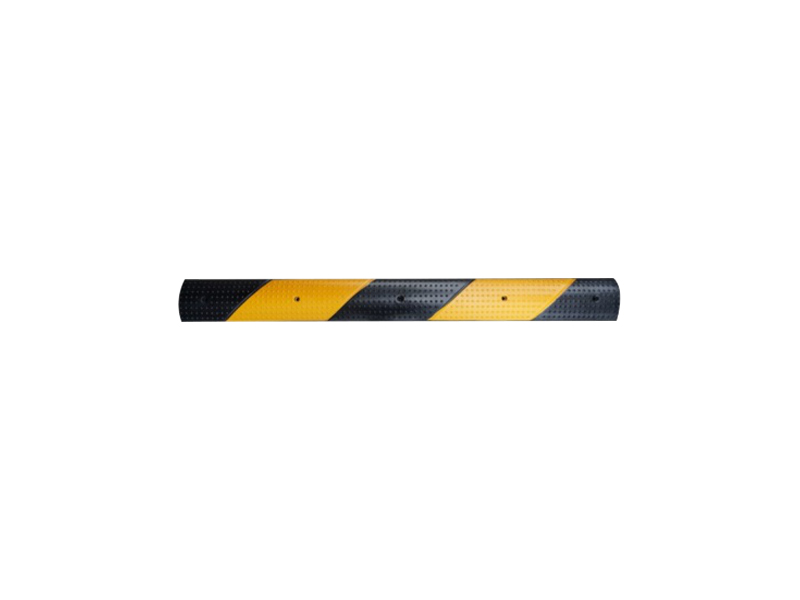
The bright color contrast, often yellow and black, improves visibility and helps drivers spot them easily, even in dim light. Some versions include reflective elements that catch headlights at night, adding an extra layer of awareness for approaching vehicles.
A Rubber Kerb Ramp might seem like a small detail on the road, yet it solves a very real problem-making movement smoother, safer, and more convenient for vehicles and people alike. Whether used temporarily outside a store or permanently at a facility entrance, this modest piece of rubber shows how thoughtful design can quietly improve everyday experiences.