
 英语
英语 中文简体
中文简体 西班牙语
西班牙语 俄语
俄语Wholesale Rubber Traffic Cones factory
In the fast-paced world of modern transportation, road safety has become an essential component of ensuring the smooth flow of traffic and protecting lives. Among the various tools that play a significant role in enhancing road safety, traffic cones are perhaps the ubiquitous and essential. Traffic cones, often seen lining highways, streets, and construction sites, are an unsung hero in the world of traffic management. Behind these simple yet effective tools lies a network of Traffic Cones factories, where innovation, quality, and safety converge to produce the vital equipment that keeps roads safer for everyone.
The Role of Traffic Cones in Road Safety
Traffic cones are more than just brightly colored plastic objects placed at the side of the road. They serve multiple functions, including redirecting traffic, marking hazards, delineating construction zones, and guiding drivers during adverse conditions. They are particularly valuable in construction zones, where their visibility can prevent accidents and provide clear guidance to drivers navigating unfamiliar or temporarily altered road conditions. The design of these cones ensures that they are highly visible, even in low light or during adverse weather conditions, making them a critical tool in maintaining order on the roads.
The production of traffic cones is not just about manufacturing a simple item; it’s about ensuring that these cones are durable, stable, and effective in serving their intended purpose. This is where the role of a Traffic Cones factory becomes vital. These factories are responsible for producing high-quality traffic cones that can withstand the elements, endure heavy traffic, and provide reliable safety features.
The Manufacturing Process at a Traffic Cones Factory
A Traffic Cones factory is a specialized facility where raw materials are transformed into finished products that meet the standards of quality and safety. The process begins with the selection of materials, usually a high-density polyethylene (HDPE) or other durable plastics that are capable of withstanding various environmental factors, such as UV rays, temperatures, and moisture. These materials are chosen for their strength and flexibility, allowing the cones to bend under pressure but return to their original shape after being struck or moved.
Once the materials are selected, the next step is the molding process. In this stage, plastic is melted and poured into molds that shape the cones. The factory employs advanced technology to ensure that the cones are uniform in size, with smooth, consistent surfaces that will not deform under normal conditions. During this stage, the factory must also incorporate reflective materials, often in the form of stripes or bands, that make the cones visible in low light conditions, such as at night or during rainstorms. This feature is especially important for ensuring that drivers can see the cones from a distance and avoid potential hazards.
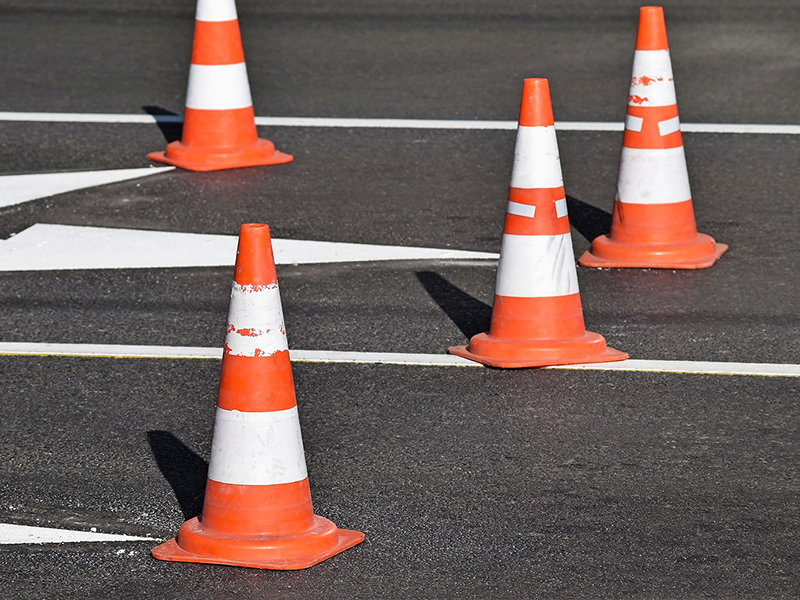
The Traffic Cones factory also ensures that each cone meets specific industry standards, such as those set by the American National Standards Institute (ANSI) and other regulatory bodies. These standards ensure that the cones are effective, reliable, and safe to use in a variety of environments, from urban streets to remote construction sites. To meet these standards, the factory conducts thorough testing on each batch of cones, checking for durability, flexibility, reflectivity, and stability.
Once the cones are molded and tested, the next step is the quality assurance process. In a Traffic Cones factory, quality control is paramount. Every batch of cones undergoes rigorous inspections to ensure that there are no defects and that each cone performs as expected. This step is critical in ensuring that the cones are safe and reliable for use on the road. If any issues are detected during the inspection, the cones are either reprocessed or discarded to prevent any safety risks.
Innovations in Traffic Cone Production
While the basic design of a traffic cone has remained relatively consistent over the years, innovation continues to drive advancements in the production of traffic cones. Traffic Cones factories are continually working to improve the materials and processes involved in their creation. For instance, some factories have started using recycled plastics in the production of traffic cones, contributing to sustainability efforts and reducing the environmental impact of manufacturing. The use of eco-friendly materials not only helps conserve natural resources but also reduces the carbon footprint of the factory.
In addition to material innovations, Traffic Cones factories are also exploring new designs to improve functionality. Some modern traffic cones feature built-in LED lights or reflective panels that enhance visibility in low-light conditions, making them even more effective in preventing accidents. Others are designed to be stackable, saving space during storage and transportation. These innovations ensure that traffic cones remain relevant in the ever-evolving field of road safety.
The Global Reach of Traffic Cones Factories
The importance of Traffic Cones factories is not limited to one region or country. With the global demand for road safety equipment continuously rising, traffic cone manufacturing has become a worldwide industry. Many Traffic Cones factories are located in key regions around the world, from North America to Europe, Asia, and beyond. These factories not only supply their local markets but also export their products to various international markets, helping to improve road safety globally.
One of the key factors driving the global demand for traffic cones is the increasing emphasis on road safety regulations and the expansion of infrastructure projects in developing countries. As cities grow and transportation networks expand, the need for effective traffic management solutions, such as traffic cones, becomes even more pressing. As a result, Traffic Cones factories are playing a crucial role in supporting the development of safer and more efficient road systems across the globe.
The Future of Traffic Cones Factories
As road safety continues to be a top priority for governments and organizations worldwide, the role of Traffic Cones factories will only become more significant. These factories will continue to innovate, improve their production processes, and develop new solutions to meet the evolving needs of the road safety industry. Whether through the use of cutting-edge materials, the integration of advanced technologies, or the development of more sustainable practices, Traffic Cones factories are poised to remain at the forefront of ensuring that the roads remain safe for everyone.
In conclusion, Traffic Cones factories are more than just manufacturers of road safety equipment—they are key players in the effort to protect lives and improve traffic flow. Through their commitment to quality, safety, and innovation, these factories help ensure that traffic cones continue to be an effective tool in managing road safety across the globe. As traffic challenges grow and evolve, so too will the ingenuity of these factories, ensuring that their products remain an integral part of road safety for years to come.