

 English
 简体中文
简体中文 Русский
 Español
ZHEJIANG LUBA TRAFFIC TECHNOLOGY CO., LTD. * TRAFFIC SAFETY, WE LEAD EVERY STEP * ZHEJIANG LUBA TRAFFIC TECHNOLOGY CO., LTD. * TRAFFIC SAFETY, WE LEAD EVERY STEP * ZHEJIANG LUBA TRAFFIC TECHNOLOGY CO., LTD. * TRAFFIC SAFETY, WE LEAD EVERY STEP * ZHEJIANG LUBA TRAFFIC TECHNOLOGY CO., LTD.
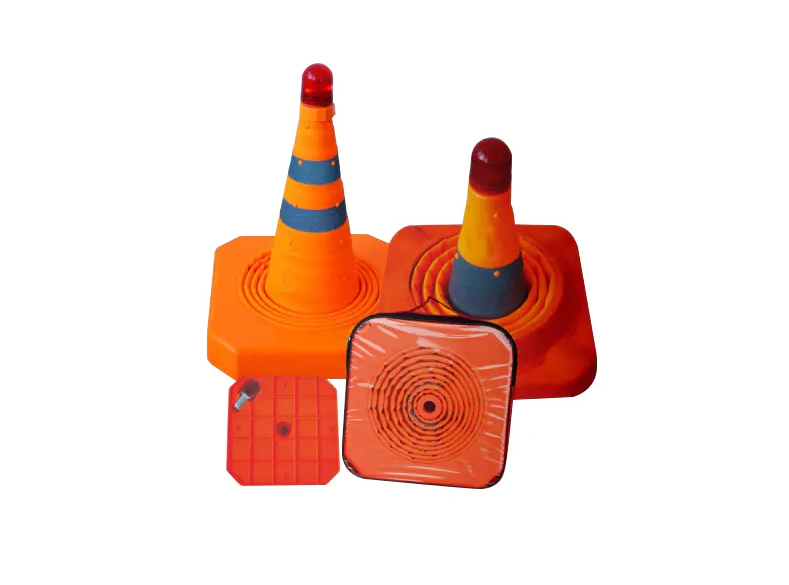
What Are the Different Types of Warning Post Available
Walk along a busy road, a parking area, or a work zone, and you will notice upright markers guiding movement and shaping behavior. These are warning posts. They do not speak, yet they communicate clearly. Their form is simple, but their role is steady. They mark edges, separate spaces, and signal caution without drawing too much attention.
Inside the industry, posts are not treated as a single product. They come in many forms, each designed for a specific setting. Material, flexibility, visibility, and installation method all influence how a post is used.
What Defines a Warning Post in Everyday Use?
A post is a vertical marker placed to guide, alert, or restrict movement. It can stand alone or appear in a series. It may be fixed or temporary. Some are designed to bend when hit. Others stay firm to create a clear boundary.
The design usually focuses on visibility. Bright colors and reflective surfaces help the post stand out. Shape also matters. A simple upright form is easy to recognize, even at a distance or in poor lighting.
The function often depends on placement. On roads, posts guide vehicles and mark edges. In parking areas, they help organize flow. Around work zones, they signal restricted areas. The same basic idea appears in many forms, shaped by use rather than by one standard design.
How Do Flexible Warning Posts Work?
Flexible posts are widely used in areas where contact is likely. These posts are made from materials that can bend and return to their original shape. When a vehicle brushes against one, it leans and then stands back up.
This type suits places with frequent movement. Parking lots, narrow lanes, and temporary traffic control zones often rely on flexible posts. They reduce damage to vehicles and to the posts themselves.
Their surface often includes reflective elements. This improves visibility during low light conditions. The flexibility does not reduce their visibility. Instead, it adds a level of safety by absorbing impact.
Installation can vary. Some are fixed into the ground. Others are attached with removable bases. This allows them to be repositioned as needed.
What Are Rigid Warning Posts Used For?
Rigid posts are designed to stay in place. They do not bend when struck. Their structure provides a clear and stable boundary. These posts are often used where a firm visual guide is needed.
You will find them along roadsides, medians, and pedestrian paths. Their role is to define space rather than to absorb impact. In some cases, they also act as a light barrier, discouraging vehicles from crossing into certain areas.
Because they do not flex, placement is important. They are usually installed in locations where direct contact is less likely or where a clear boundary is more important than impact response.
Their appearance is often simple. Bright colors and reflective sections are still used, but the focus remains on structure and position.
How Do Reflective Warning Posts Improve Visibility?
Visibility changes with light. During the day, color is enough. At night or in dim conditions, reflection becomes important. Reflective posts are designed to catch and return light from vehicle headlights.
These posts include reflective bands or surfaces. When light hits them, it is directed back toward the source. This makes the post visible even from a distance.
Reflective posts are used in many settings. Roads, construction zones, and pedestrian crossings all benefit from improved visibility. The reflective element does not change the structure of the post. It adds a layer of function.
Placement often considers angles. The reflective surface should face approaching traffic. This ensures that the light is returned effectively.
What Role Do Removable Warning Posts Play?
Not all spaces need permanent markers. Some areas change function throughout the day. Removable posts offer a flexible solution. They can be installed when needed and taken away when the space opens.
These posts often use a base system. The base stays in place, while the post can be inserted or removed. This allows quick changes without complex tools.
Common uses include event spaces, temporary road closures, and shared zones. A street may serve vehicles at one time and pedestrians at another. Removable posts support this shift.
They are designed for repeated handling. Ease of use matters. The process of placing and removing the post should be simple and quick.
How Are Fixed Warning Posts Installed?
Fixed posts are intended for long-term use. Once installed, they remain in place. This type is common in areas where the layout does not change often.
Installation involves securing the post into the ground. The method depends on the surface. It may involve embedding the base or attaching it to a solid structure.
These posts provide a consistent visual guide. They do not shift or move. This stability helps users become familiar with the space.
Maintenance is still part of their life cycle. Over time, surface wear or environmental exposure may affect appearance. Regular checks help maintain visibility and function.
What Materials Are Used in Different Warning Posts?
Material choice shapes how a post behaves. Some materials allow flexibility. Others provide strength and stability. The choice depends on the intended use.
Below is a general overview of how materials relate to function:
| Material Type | Common Characteristics | Typical Use Environment |
|---|---|---|
| Flexible Plastic | Bends and returns to shape | Parking areas, temporary zones |
| Rigid Plastic | Holds shape under pressure | Road edges, pedestrian paths |
| Composite | Balanced flexibility and form | Mixed-use environments |
| Metal | Strong and stable | Fixed boundaries, restricted areas |
The surface treatment also matters. Color is often built into the material. Reflective elements are added later. Together, they create a visible and durable product.
How Do Warning Posts Differ by Application Setting?
Different environments call for different types of posts. The same post may not suit every location. Understanding the setting helps explain the variation.
1.Roadside Use
Posts along roads guide drivers and mark edges. They are placed at intervals to create a visual line. Reflective surfaces are common here.
2.Parking Areas
In parking spaces, posts help organize movement. Flexible types are often used to reduce damage during minor contact.
3.Construction Zones
Work areas change over time. Posts used here are often temporary and easy to move. Visibility is important, especially in changing light.
4.Pedestrian Spaces
Posts in walkways or shared zones help separate areas. They may be fixed or removable, depending on how the space is used.
5.Private or Controlled Areas
Some locations require clear boundaries. Rigid or fixed posts are used to define access and guide movement.
Each setting shapes the choice of post. The goal is not to use one type everywhere, but to match the post to the need.
How Does Design Influence Effectiveness?
Design goes beyond appearance. It affects how the post is noticed and understood. A clear shape, visible color, and proper height all contribute to effectiveness.
The surface should remain visible over time. Exposure to sunlight, weather, and handling can affect color. Materials and finishes are chosen to maintain visibility.
Spacing also matters. A single post may not be enough. A series creates a line that is easier to follow. The distance between posts depends on the setting.
Interaction with users is another factor. Drivers, pedestrians, and workers all respond differently. The design should be easy to recognize without confusion.
How Do Warning Posts Support Everyday Safety?
Posts are part of daily movement, yet they often go unnoticed. They guide behavior without direct instruction. A driver adjusts position. A pedestrian follows a path. A worker recognizes a boundary.
Their value lies in consistency. When placed correctly, they create a pattern that users learn to follow. This reduces uncertainty and helps maintain order in shared spaces.
Different types of posts exist because no single design fits all situations. Flexibility, strength, visibility, and placement all shape how a post performs. By understanding these variations, it becomes easier to see how such a simple object supports a wide range of environments.
ZHEJIANG LUBA TRAFFIC TECHNOLOGY CO., LTD. * TRAFFIC SAFETY, WE LEAD EVERY STEP * ZHEJIANG LUBA TRAFFIC TECHNOLOGY CO., LTD. * TRAFFIC SAFETY, WE LEAD EVERY STEP * ZHEJIANG LUBA TRAFFIC TECHNOLOGY CO., LTD. * TRAFFIC SAFETY, WE LEAD EVERY STEP * ZHEJIANG LUBA TRAFFIC TECHNOLOGY CO., LTD.
ZHEJIANG LUBA TRAFFIC TECHNOLOGY CO., LTD. * TRAFFIC SAFETY, WE LEAD EVERY STEP * ZHEJIANG LUBA TRAFFIC TECHNOLOGY CO., LTD. * TRAFFIC SAFETY, WE LEAD EVERY STEP * ZHEJIANG LUBA TRAFFIC TECHNOLOGY CO., LTD. * TRAFFIC SAFETY, WE LEAD EVERY STEP * ZHEJIANG LUBA TRAFFIC TECHNOLOGY CO., LTD.

Zhejiang Luba Traffic Technology Co., Ltd. has been dedicated to the R&D and production of rubber and plastic products in the traffic facilities field since its establishment in 2001.
- (+86) 15724246878
- [email protected]
- No.399 West Guangming Road, Sanmen, Taizhou, Zhejiang, China.
Contact us to get our latest product information.
Copyright © Zhejiang Luba Traffic Technology Co.,Ltd. Rights Reserved.

Rubber Speed Hump Supplier