
 英语
英语 中文简体
中文简体 西班牙语
西班牙语 俄语
俄语If you manage road work, oversee event parking, or coordinate warehouse safety, you've probably used traffic cones. These simple devices are fundamental for directing flow and creating safe zones. But their effectiveness depends entirely on one factor: placement. A poorly placed cone creates confusion rather than clarity.
Strategic placement transforms basic Traffic Cones from simple markers into a powerful communication system. The right positioning provides clear guidance, protects vulnerable areas, and prevents accidents before they happen.
Creating a Safe Buffer in Road Work Zones
The critical application for Traffic Cones is in moving traffic environments. Here, the goal is to gradually channel drivers away from hazards and protect workers.
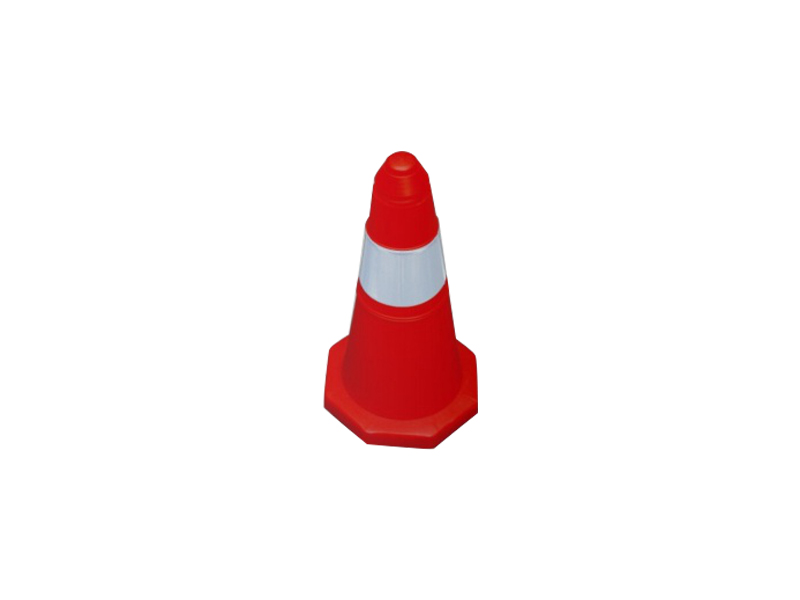
The key is to create a long, tapered transition area. You should begin placing Traffic Cones well ahead of the work zone, giving drivers ample time to recognize the change and merge safely. This buffer zone is crucial for preventing dangerous lane changes. The spacing between each cone should gradually decrease as drivers approach the work area, naturally guiding them into the correct lane. A reputable Traffic Cones Factory often provides guidance on these spacing standards, which are typically based on road limits.
Within the work zone itself, Traffic Cones should form a continuous, solid line between the workers and active traffic, creating a physical—though flexible—barrier that defines the safe working area.
Defining Flow and Preventing Hazards in Parking Areas
Parking lots, whether for retail, events, or corporate facilities, present numerous challenges where Traffic Cones offer simple solutions.
Use them to mark closed sections or reserved areas, effectively communicating which spaces are unavailable. They are fine for temporarily closing off entrances or exits or for creating designated pedestrian walkways that cross driving lanes, preventing conflicts between cars and people. During special events, a well-placed line of Traffic Cones can create one-way traffic flow, preventing gridlock and confusion. Placing Traffic Cones behind parked vehicles in a fire lane can also serve as a visual deterrent against illegal parking.
Managing Safety in Industrial and Indoor Settings
The utility of Traffic Cones extends far beyond the asphalt. Inside warehouses, factories, and even large retail stores, they are indispensable for safety.
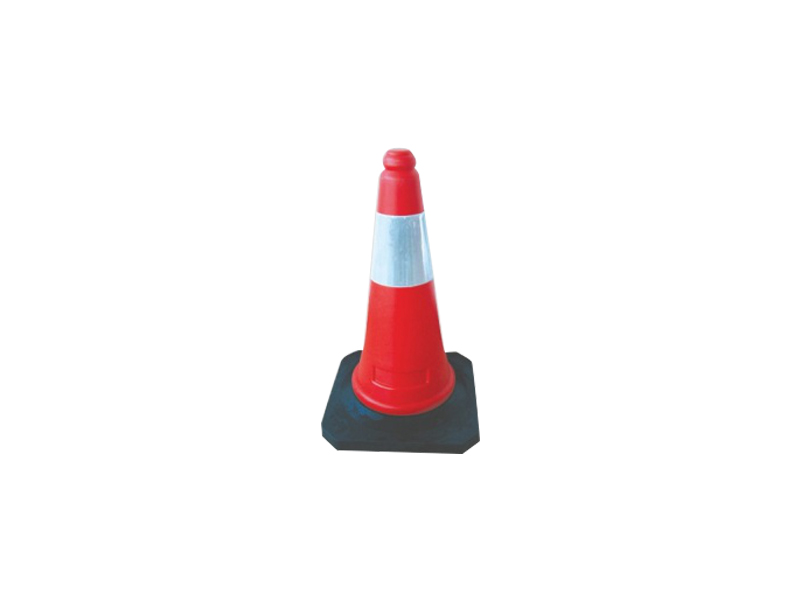
Place them around temporary spills or wet floors while waiting for cleanup, providing a highly visible warning to prevent slips and falls. Use them to cordon off areas where maintenance is underway, whether it's a broken piece of equipment or overhead work, keeping employees a safe distance from the hazard. They can also be used to create safe pathways through busy industrial floors, separating foot traffic from forklift routes.
The Role of and Visibility
Effective placement is undermined if the cones themselves are not easily seen. This is where a trusted Traffic Cones Factory becomes essential. A professional Traffic Cones Factory produces cones in high-visibility colors like orange or lime green and equips them with reflective collars. This is why they are seen both during the day and at night when illuminated by headlights.
The weight and stability of the cone are also critical. A cone from a reliable Traffic Cones Factory has a heavy, weighted base that prevents it from being easily knocked over by wind or passing vehicles. A cone that tips over loses all its communicative power and can even become a road hazard itself.
You should place Traffic Cones anywhere you need to visually communicate a boundary, a hazard, or a change in direction. From creating safe transition zones on highways to managing pedestrian flow in a parking lot, their effectiveness is determined by thoughtful, strategic placement. By choosing durable, highly visible products from a reputable Traffic Cones Factory, your safety message remains clear and upright, effectively protecting both people and property.