
 英语
英语 中文简体
中文简体 西班牙语
西班牙语 俄语
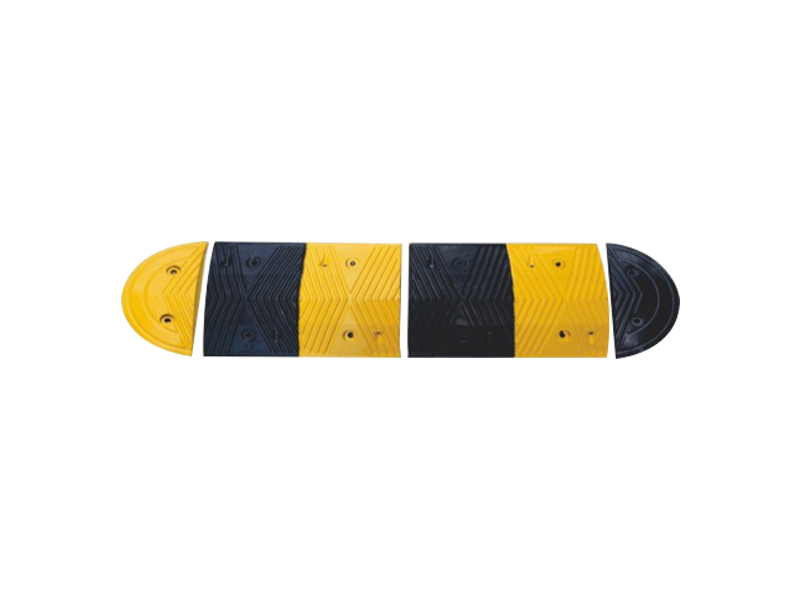
俄语In modern urban planning and infrastructure, accessibility and safety are top priorities. A Rubber Kerb Ramp is a practical solution designed to help pedestrians, cyclists, wheelchair users, and vehicles navigate curbs smoothly and safely. Beyond functionality, these ramps are increasingly recognized for their durability and eco-friendly characteristics. Understanding the material advantages and sustainability of Rubber Kerb Ramps can help cities, businesses, and homeowners make informed decisions.
Material Advantages of Rubber
One of the primary reasons a Rubber Kerb Ramp is considered durable is the material itself. Rubber is naturally resistant to wear, which ensures that the ramp maintains its shape and performance even with frequent use. The anti-slip properties of rubber make it ideal for locations prone to rain, snow, or other wet conditions, providing consistent traction for pedestrians and vehicles.
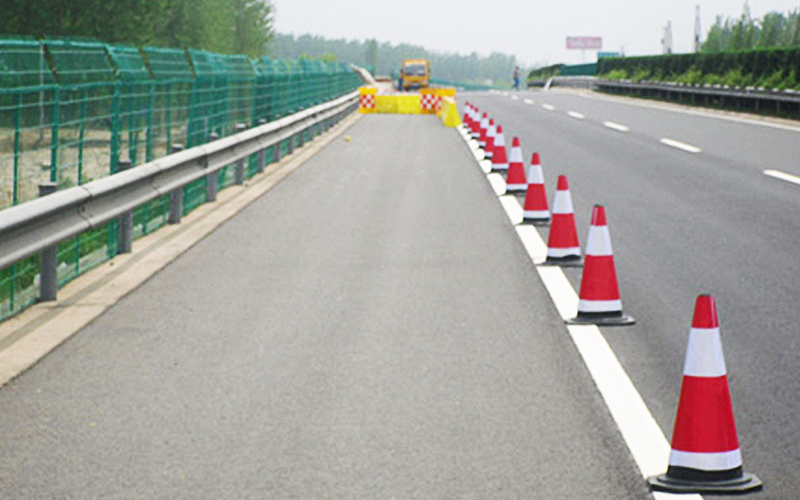
Additionally, the elasticity of rubber allows the ramp to absorb impacts. This feature not only protects the ramp from cracking but also reduces the force transferred to vehicles or wheelchair wheels, making every crossing smoother and safer. The shock-absorbing quality of rubber also contributes to long-term structural integrity, meaning a Rubber Kerb Ramp can endure repeated usage without significant degradation.
Eco-Friendly Benefits
Sustainability is another important aspect of modern infrastructure, and Rubber Kerb Ramps are increasingly manufactured using recycled rubber. By utilizing post-consumer or post-industrial rubber materials, manufacturers reduce waste and environmental impact. This approach aligns with broader sustainability goals, including reducing landfill contributions and promoting circular material use.
Choosing a Rubber Kerb Ramp made from recycled materials demonstrates a commitment to eco-conscious construction and urban development. Many projects now prioritize environmentally responsible products, and recycled rubber ramps meet both performance and sustainability requirements.
Resistance to Weather and Corrosion
A Rubber Kerb Ramp is designed to withstand diverse weather conditions. Unlike metal or untreated wood, rubber does not corrode or rot when exposed to moisture. It also maintains its structural integrity under prolonged sun exposure or varying temperatures, ensuring reliable performance throughout the year.
This resistance to environmental stress makes Rubber Kerb Ramps suitable for both permanent and temporary installations. Whether used in a busy city center, a school entrance, or a residential area, these ramps remain functional and safe under changing conditions.
Lightweight Design and Portability
Despite their durability, Rubber Kerb Ramps are relatively lightweight compared to concrete or metal alternatives. This makes them easy to install, reposition, or remove when necessary. Their portability is especially useful for temporary applications such as events, construction sites, or areas with changing traffic patterns.
The combination of lightweight design and durable material ensures that Rubber Kerb Ramps are both practical and long-lasting. Installation requires minimal tools and effort, and their stability during use ensures they remain in place without compromising safety.
A Rubber Kerb Ramp offers a compelling combination of durability, safety, and environmental responsibility. The material advantages—wear resistance, anti-slip surface, elasticity, and shock absorption—make these ramps highly reliable under frequent use. Additionally, the use of recycled rubber supports eco-friendly practices, while weather and corrosion resistance extend the lifespan of the ramp. Lightweight and portable, these ramps are suitable for both permanent and temporary installations.
By choosing a Rubber Kerb Ramp, cities, businesses, and homeowners can enhance accessibility, promote sustainability, and ensure long-term performance. These ramps represent a practical and responsible solution for modern infrastructure needs.