

 English
 简体中文
简体中文 Русский
 Español
ZHEJIANG LUBA TRAFFIC TECHNOLOGY CO., LTD. * TRAFFIC SAFETY, WE LEAD EVERY STEP * ZHEJIANG LUBA TRAFFIC TECHNOLOGY CO., LTD. * TRAFFIC SAFETY, WE LEAD EVERY STEP * ZHEJIANG LUBA TRAFFIC TECHNOLOGY CO., LTD. * TRAFFIC SAFETY, WE LEAD EVERY STEP * ZHEJIANG LUBA TRAFFIC TECHNOLOGY CO., LTD.
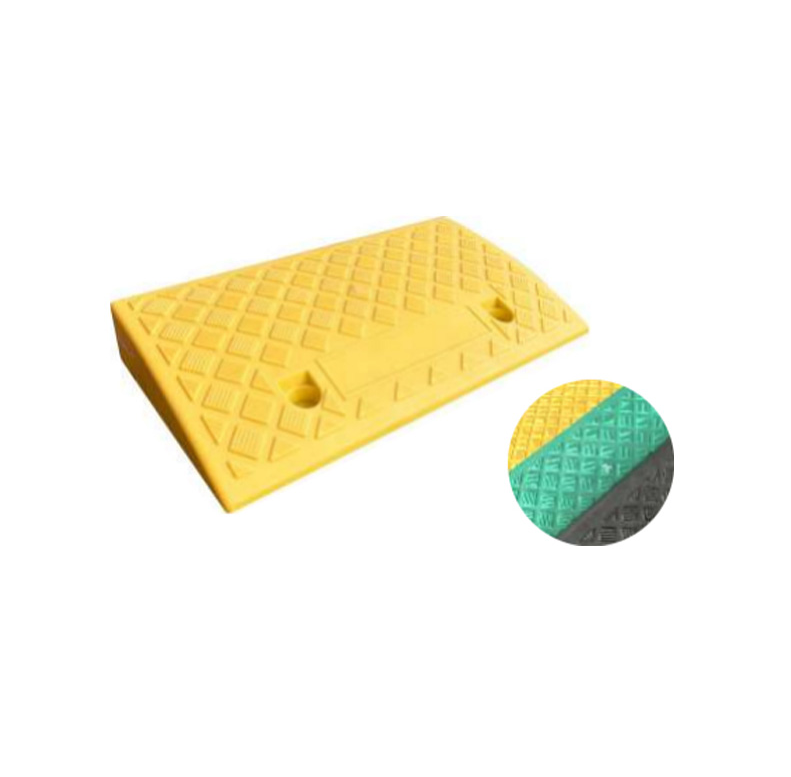
Why Do Rubber Kerb Ramp Factories Focus On Durability Design
Rubber kerb ramps look simple at first glance. A sloped block placed on the ground, used to bridge a height difference. In practice, they deal with repeated wheel pressure, changing weather, and constant surface contact. The working environment is not gentle.
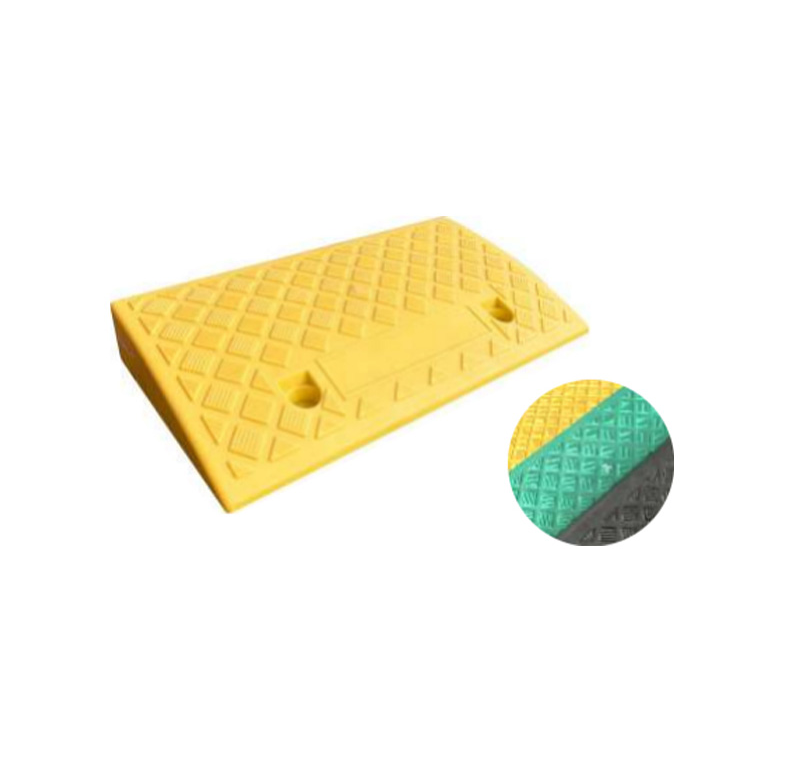
Inside factories, durability is not treated as an extra feature. It sits inside the design thinking from the beginning. The product is expected to stay in place, keep its shape, and continue working after long periods of use.
Why Does Durability Become The First Concern In Real Use?
A kerb ramp is used in places where movement never really stops. Cars pass. Trolleys roll. Sometimes heavier equipment crosses the same point many times a day.
The stress is not a single event. It is repeated contact over time.
That is where durability becomes important. If the product weakens early, it affects the whole area it serves. People notice uneven movement or surface changes. Work slows down slightly, even if no one points it out directly.
Common situations that create pressure include:
- Continuous vehicle entry and exit
- Outdoor exposure to weather changes
- Uneven loading across the surface
- Frequent directional movement
Each factor adds a small load. Over time, those small loads build up.
How Do Factories Understand Real Working Conditions?
Design work in this field is closely connected to real environments. Factories often observe how ramps behave after installation rather than relying only on drawings.
Different places create different demands. A warehouse floor does not behave like a public parking area. Temporary job sites do not act like fixed industrial zones.
Typical environments include:
- Parking entrances with frequent vehicle flow
- Warehouse loading zones with repeated rolling pressure
- Outdoor pathways exposed to sun and rain
- Temporary construction access points
Each one brings a different rhythm of use. Durability design tries to stay stable across all of them.
What Happens When Material Strength Is Not Balanced?
Rubber materials can behave differently depending on how they are formed. Some feel too soft under pressure. Others feel rigid and lose flexibility over time.
If the balance is off, problems may appear slowly:
- Surface becomes uneven after repeated contact
- Edges start to lose shape
- Internal structure feels less stable
- Movement over the ramp becomes less smooth
Factories try to avoid this by adjusting how the material responds under repeated load. The goal is not just strength, but controlled strength that lasts.
How Does Surface Condition Influence Long-Term Use?
The surface of a kerb ramp is where everything happens. Tires touch it directly. Footsteps land on it. Dust, water, and friction all affect it.
At the beginning, most surfaces look the same. Over time, differences appear. Some stay steady. Others become smoother or slightly worn in certain areas.
Surface condition matters because it affects:
- Grip during movement
- Stability when turning or stopping
- Comfort during rolling contact
- Overall user confidence
Even small surface changes can be noticed in daily use, especially in high-traffic areas.
Why Is Structural Design Not Just About Shape?
At a distance, kerb ramps may look similar. The real difference is inside the structure.
When a wheel moves over the ramp, force spreads through the body. If the structure does not handle that force evenly, stress gathers in one area. That is where wear starts earlier.
Design teams often think about how pressure travels through the product. Not just where it lands, but where it moves next.
Structural thinking often includes:
- Gradual slope changes instead of sharp transitions
- Reinforced zones where contact is frequent
- Balanced internal layout for pressure spread
- Edges shaped to reduce early damage
These choices are not visible in daily use, but they influence how long the product holds up.
What Kind Of Wear Patterns Do Factories Try To Reduce?
Wear does not appear all at once. It builds slowly through repeated movement.
Some patterns show up more often than others:
- Center flattening after long use
- Edge softening from repeated turning contact
- Uneven wear from directional traffic
- Surface smoothing in high-pressure zones
Durability design tries to slow down these patterns. The aim is not to stop wear completely, but to make it even and predictable.
How Does Installation Environment Change Performance?
Where the ramp is placed affects how it behaves.
A stable indoor floor creates one type of condition. Outdoor ground introduces temperature shifts, moisture, and uneven surfaces. Temporary sites may not have perfect leveling.
These differences matter.
Key environmental factors include:
- Temperature changes during the day
- Moisture from rain or cleaning
- Surface unevenness beneath the ramp
- Direction and frequency of movement
Factories often design with these variations in mind, so performance does not rely on ideal conditions.
What Does Real-World Usage Reveal Over Time?
Lab testing can show initial strength. Real use shows long-term behavior.
After weeks or months in place, patterns become clearer. Some ramps stay stable. Others show early signs of change.
Feedback from users often highlights:
- How smooth the ramp feels after long use
- Whether it stays in position under repeated load
- How quickly surface changes appear
- Whether maintenance becomes necessary
This information feeds back into design decisions. It helps refine how future products are shaped.
How Design Focus Connects With Actual Use
| Usage Situation | Main Design Focus | What Durability Must Handle |
|---|---|---|
| Parking entry points | Stable load contact | Repeated vehicle pressure |
| Warehouse movement | Continuous rolling support | Constant surface friction |
| Outdoor pathways | Weather exposure control | Heat, rain, and dust changes |
| Temporary work sites | Flexible placement stability | Uneven and changing ground |
| Industrial loading zones | Pressure distribution | Heavy and frequent contact |
This simple view shows how design choices are tied directly to real conditions.
Why Do Factories Think About Long-Term Behavior?
Durability is not only about surviving impact. It is about how the product behaves after many cycles of use.
A ramp that works well on day one is expected to behave similarly after extended time in the field. If performance shifts too quickly, it creates extra maintenance work and interrupts normal flow.
From a factory point of view, long-term behavior includes:
- Keeping shape under repeated pressure
- Maintaining surface consistency
- Reducing early deformation
- Supporting stable daily operation
The focus is not on short bursts of strength, but on steady performance over time.
How Does Production Consistency Affect Durability?
Even a well-designed product depends on how it is made. Small differences during production can change how the material behaves later.
Factories pay attention to:
- Uniform material preparation
- Stable forming process
- Consistent cooling and shaping stages
- Careful finishing work
When production stays steady, durability design works as intended. When it shifts, performance may vary from batch to batch.
What Role Does Real Feedback Play In Improvement?
Field experience is often more revealing than planned testing. Users see the product in motion every day, under conditions that cannot always be replicated in controlled environments.
Their feedback helps factories understand:
- How the ramp behaves after long placement
- Where wear appears first
- What conditions affect stability
- Which adjustments may improve lifespan
Over time, this feedback shapes future design choices in small but meaningful ways.
Why Durability Has Become A Common Expectation?
In many applications today, users expect less maintenance and longer service life. This expectation has gradually shifted durability from a design choice to a basic requirement.
For rubber kerb ramps, this means more attention is given to structure, material behavior, and real-world adaptability from the start of development.
The focus is no longer only on whether the product works, but how long it continues to work in a stable way.
ZHEJIANG LUBA TRAFFIC TECHNOLOGY CO., LTD. * TRAFFIC SAFETY, WE LEAD EVERY STEP * ZHEJIANG LUBA TRAFFIC TECHNOLOGY CO., LTD. * TRAFFIC SAFETY, WE LEAD EVERY STEP * ZHEJIANG LUBA TRAFFIC TECHNOLOGY CO., LTD. * TRAFFIC SAFETY, WE LEAD EVERY STEP * ZHEJIANG LUBA TRAFFIC TECHNOLOGY CO., LTD.
ZHEJIANG LUBA TRAFFIC TECHNOLOGY CO., LTD. * TRAFFIC SAFETY, WE LEAD EVERY STEP * ZHEJIANG LUBA TRAFFIC TECHNOLOGY CO., LTD. * TRAFFIC SAFETY, WE LEAD EVERY STEP * ZHEJIANG LUBA TRAFFIC TECHNOLOGY CO., LTD. * TRAFFIC SAFETY, WE LEAD EVERY STEP * ZHEJIANG LUBA TRAFFIC TECHNOLOGY CO., LTD.

Zhejiang Luba Traffic Technology Co., Ltd. has been dedicated to the R&D and production of rubber and plastic products in the traffic facilities field since its establishment in 2001.
- (+86) 15724246878
- [email protected]
- No.399 West Guangming Road, Sanmen, Taizhou, Zhejiang, China.
Contact us to get our latest product information.
Copyright © Zhejiang Luba Traffic Technology Co.,Ltd. Rights Reserved.

Rubber Speed Hump Supplier