

 English
 简体中文
简体中文 Русский
 Español
ZHEJIANG LUBA TRAFFIC TECHNOLOGY CO., LTD. * TRAFFIC SAFETY, WE LEAD EVERY STEP * ZHEJIANG LUBA TRAFFIC TECHNOLOGY CO., LTD. * TRAFFIC SAFETY, WE LEAD EVERY STEP * ZHEJIANG LUBA TRAFFIC TECHNOLOGY CO., LTD. * TRAFFIC SAFETY, WE LEAD EVERY STEP * ZHEJIANG LUBA TRAFFIC TECHNOLOGY CO., LTD.
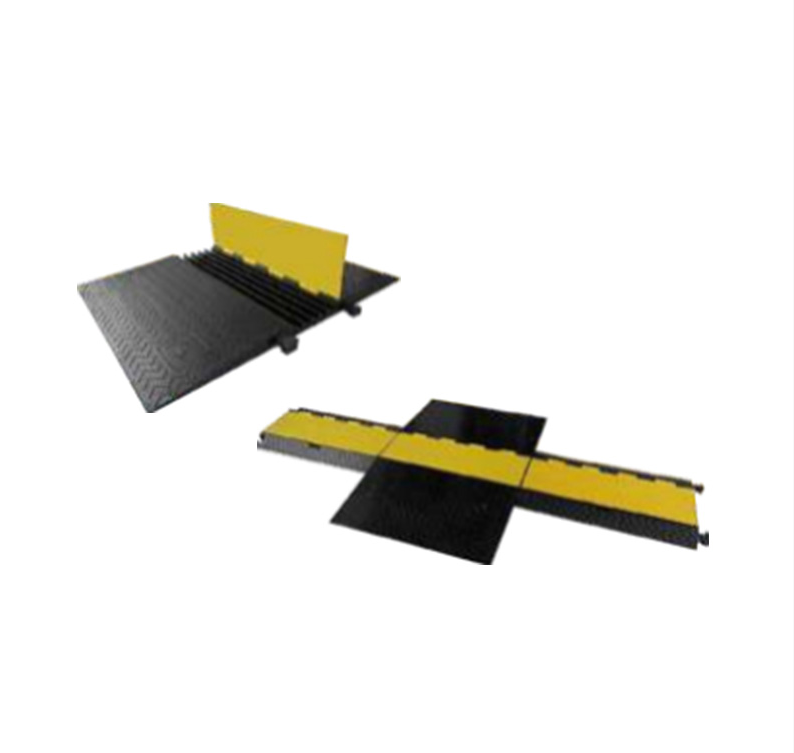
How Do China Cable Protector Adapt to Different Environments
Cable protection rarely draws attention. It sits on the ground, often unnoticed, yet it shapes how people move and how equipment operates. In many industries, cable protectors made in China appear in places that change from hour to hour. A walkway may become a loading path. A quiet area may turn into a busy zone. These shifts create pressure on products that need to remain stable without getting in the way.
Adaptation does not come from a single feature. It grows from how design, material, and use habits come together. Each environment brings its own set of expectations. Some spaces require flexibility. Others need structure. In many cases, the challenge is to stay useful without becoming a burden.
What Makes Different Environments Difficult for Cable Protection?
No two environments behave in the same way. Even within one location, conditions may change during the day. This makes cable protection less predictable than it may seem at first glance.
Outdoor areas bring constant variation. Weather shifts can affect the ground. Surfaces may become damp, rough, or uneven. A cable protector placed in the morning may face a different condition by afternoon. It needs to stay in place without relying on a perfectly flat surface.
Indoor spaces have their own rhythm. Movement is often more controlled, yet more frequent. People walk across the same path many times. Equipment may pass through at regular intervals. A product that feels stable at one moment should not become an obstacle later.
Industrial environments add repetition. Movement is not random. It follows patterns. This creates pressure points where cable protectors must perform consistently. They cannot move easily, but they also should not interrupt the flow.
Public areas combine all these elements. There is constant motion and little awareness of what lies underfoot. A cable protector must guide movement without forcing attention. It needs to be noticeable enough to prevent accidents, yet subtle enough to fit into the space.
How Do Materials Affect Daily Use?
Material choice shapes how a cable protector feels and performs. It influences how the product reacts to pressure, movement, and environmental changes.
Some materials allow a degree of flexibility. They adjust slightly when stepped on. This can make walking more comfortable. It also helps absorb minor impact when light equipment moves across the surface.
Other materials focus on maintaining form. They hold their shape even under repeated use. This creates a more stable path. In areas where movement is constant, this stability becomes important.
Surface feel also matters. A smooth finish may look simple, but it can behave differently under certain conditions. A textured surface offers more grip. This becomes useful when the ground is not dry.
Environmental exposure plays a role as well. Temperature changes can affect how materials behave. Some may soften slightly under heat. Others may become firmer in cooler conditions. A well-adapted product remains predictable despite these shifts.
How Does Design Adjust to Changing Conditions?
Design is closely linked to how people interact with cable protectors. It is not only about appearance. It is about function in motion.
Many cable protectors use modular structures. Sections can be connected to extend coverage. This allows users to adjust the layout based on the situation. A short path can become a longer route without replacing the entire setup.
Low-profile designs are often used in indoor spaces. They reduce the height difference between the floor and the protector. This makes movement smoother and less noticeable. It helps reduce disruption in areas with steady foot traffic.
In temporary environments, ease of handling becomes important. Lightweight structures can be placed and removed without effort. This suits situations where layouts change often.
Color and visibility also influence design. Bright tones or contrasting patterns help people notice the protector. This improves awareness without requiring instructions. At the same time, some environments prefer a more neutral look that blends into the surroundings.
How Do Cable Protectors Perform in Outdoor Conditions?
Outdoor locations come with a whole set of combined hurdles. Weather shifts, uneven ground and constant foot or vehicle activity can all change how these cable covers hold up.
When laid over bumpy, uneven ground, good cable protectors flex to match the terrain instead of staying rigid. This stops gaps opening up and keeps the whole unit from sliding out of position.
Wet outdoor surfaces create slip hazards. Quality textured tops boost traction and cut down safety risks when it rains or dew forms.
Prolonged sunlight slowly alters material properties. The target isn't to stop all minor aging, but to guarantee the product still works properly after months of UV exposure.
For outdoor events and temporary worksites, quick setup and takedown are essential. The covers need to be lightweight enough to move fast, yet heavy-duty enough to stay anchored once laid down—balancing speed and on-site safety.
What Happens in High-Traffic Industrial Spaces?
Industrial workspaces see consistent, repeated movement. Staff and heavy machinery follow fixed travel paths day in, day out.
Cable protectors here need solid long-term stability. They can't slide or warp under thousands of passes, while still letting carts and workers roll across without jolting or catching.
The profile design has to accommodate both foot traffic and heavy equipment. Sharp height ledges trip people or stall machinery; gentle sloped edges keep traffic moving smoothly.
Long-lasting performance means steady, unchanging function, not just raw toughness. Reliable, predictable behavior removes hidden risks in busy production floors.
Strategic layout is equally important. Protectors laid to follow natural movement routes keep workflows uninterrupted, rather than blocking regular access paths.
How Are Temporary Setups Different from Permanent Installations?
Temporary setups require flexibility. Layouts may change within a short time. Cable protectors used in these settings must adapt quickly.
Ease of handling becomes a priority. Products should be light enough to move without effort. At the same time, they need to stay stable once in place.
Modular designs are often useful here. They allow quick adjustments without replacing the entire system. A short section can be added or removed as needed.
Permanent installations focus more on consistency. Once placed, the cable protector is expected to remain in position. It should integrate with the surrounding space.
In such cases, appearance may play a larger role. The product should not stand out too much. It needs to match the environment while still serving its function.
How Do Users Influence Product Adaptation?
Adaptation is not only about design and material. It is also shaped by how people use the product.
Users often adjust placement based on experience. Over time, they find positions that work better with movement patterns. This feedback influences how cable protectors are designed and improved.
Ease of use affects how often a product is repositioned. If it is difficult to move, users may avoid adjusting it. This can reduce effectiveness in changing environments.
Maintenance also plays a role. A product that is easy to clean or reposition is more likely to remain in good condition. This supports long-term use without adding extra effort.
Communication between users and suppliers shapes future designs. Small observations from daily use can lead to changes that improve adaptability.
What Factors Guide Selection Across Different Scenarios?
Different environments require different priorities. While no single design fits all situations, certain factors help guide selection.
| Environment Type | Key Consideration | Practical Focus |
|---|---|---|
| Outdoor Areas | Surface adaptability | Stable placement on uneven ground |
| Indoor Spaces | Movement flow | Smooth and low-profile structure |
| Industrial Zones | Repetition handling | Consistent performance under pressure |
| Temporary Setups | Flexibility | Easy placement and removal |
Each scenario highlights a different aspect of adaptation. The choice depends on how the product will be used rather than how it looks alone.
How Do Design Trends Reflect Changing Needs?
As environments change, so do expectations. Cable protector design evolves in response to these shifts.
There is a growing focus on flexibility. Products are expected to work in more than one setting. This reduces the need for multiple solutions.
Visibility remains important, but it is handled in different ways. Some designs use contrast to guide attention. Others rely on subtle cues that blend into the environment.
Ease of handling continues to shape product development. Users look for solutions that save time without adding complexity.
At the same time, simplicity remains a key idea. A cable protector should be easy to understand at a glance. Its function should be clear without explanation.
ZHEJIANG LUBA TRAFFIC TECHNOLOGY CO., LTD. * TRAFFIC SAFETY, WE LEAD EVERY STEP * ZHEJIANG LUBA TRAFFIC TECHNOLOGY CO., LTD. * TRAFFIC SAFETY, WE LEAD EVERY STEP * ZHEJIANG LUBA TRAFFIC TECHNOLOGY CO., LTD. * TRAFFIC SAFETY, WE LEAD EVERY STEP * ZHEJIANG LUBA TRAFFIC TECHNOLOGY CO., LTD.
ZHEJIANG LUBA TRAFFIC TECHNOLOGY CO., LTD. * TRAFFIC SAFETY, WE LEAD EVERY STEP * ZHEJIANG LUBA TRAFFIC TECHNOLOGY CO., LTD. * TRAFFIC SAFETY, WE LEAD EVERY STEP * ZHEJIANG LUBA TRAFFIC TECHNOLOGY CO., LTD. * TRAFFIC SAFETY, WE LEAD EVERY STEP * ZHEJIANG LUBA TRAFFIC TECHNOLOGY CO., LTD.

Zhejiang Luba Traffic Technology Co., Ltd. has been dedicated to the R&D and production of rubber and plastic products in the traffic facilities field since its establishment in 2001.
- (+86) 15724246878
- [email protected]
- No.399 West Guangming Road, Sanmen, Taizhou, Zhejiang, China.
Contact us to get our latest product information.
Copyright © Zhejiang Luba Traffic Technology Co.,Ltd. Rights Reserved.

Rubber Speed Hump Supplier