

 English
 简体中文
简体中文 Русский
 Español
ZHEJIANG LUBA TRAFFIC TECHNOLOGY CO., LTD. * TRAFFIC SAFETY, WE LEAD EVERY STEP * ZHEJIANG LUBA TRAFFIC TECHNOLOGY CO., LTD. * TRAFFIC SAFETY, WE LEAD EVERY STEP * ZHEJIANG LUBA TRAFFIC TECHNOLOGY CO., LTD. * TRAFFIC SAFETY, WE LEAD EVERY STEP * ZHEJIANG LUBA TRAFFIC TECHNOLOGY CO., LTD.
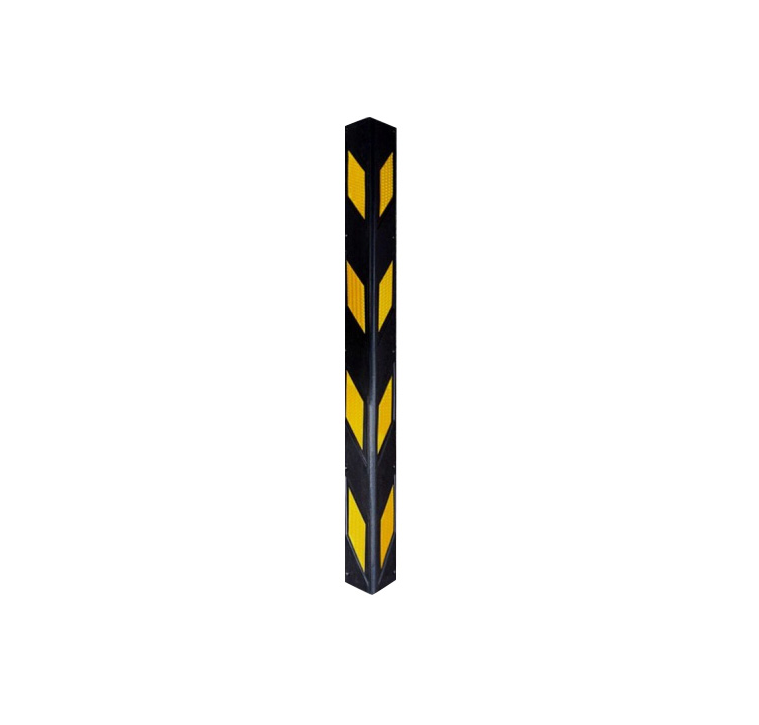
Corner Guard Supplier: Materials, Uses, and Selection Tips
In many buildings and working spaces, small details often influence daily maintenance. Wall corners are one of those areas that can easily be ignored until visible marks, scratches, or damage appear. Once a corner surface is affected, repair work may take extra time and affect the overall appearance of the space.
This is why corner protection has become a common consideration in many projects. A corner guard is a simple product, but its role is closely connected with building care, space management, and long-term maintenance.
For a Corner Guard Supplier, the focus is no longer only on supplying protective pieces. More customers are asking about material choices, application conditions, and how different products fit into their environments. The supplier's role is gradually changing from a product provider to a solution partner.
Why are corner guards receiving more attention in different industries?
Wall corners stick out and take constant hits. High-traffic areas see nonstop bumps from people, transport trolleys, furniture and work gear. Ordinary daily use gradually scuffs and damages wall surfaces over time.
Office corridors and doorways have steady foot traffic. Warehouse walls get knocked around while staff move goods. Public venues require neat, stain-free surfaces as part of routine facility management.
Corner guards add a buffer between sharp wall edges and incoming impacts. This basic barrier cuts down scratches and marks, and simplifies regular wiping and upkeep work.
Higher demand also comes from updated standards for modern facilities. Facility managers now care much more about small finishing details. Smooth, unmarked walls shape how guests perceive a space, even if they do not realize corner guards are the reason.
Suppliers now realize that knowing the unique needs of each working space matters just as much as stocking protective products.
What materials do corner guard suppliers usually offer?
Material choice has a direct connection with how a corner guard performs in daily use. Different locations have different needs, so suppliers usually provide several material options.
Some environments need flexible protection. Others require a stronger structure or a certain visual style. The right choice depends on where the product will be installed and how the area is used.
| Material | Common Characteristics | Suitable Applications |
|---|---|---|
| Plastic | Lightweight, simple to maintain, available in various styles | Offices, homes, commercial spaces |
| Metal | Solid appearance and strong surface structure | Industrial areas, public buildings |
| Rubber | Softer contact surface and flexible use | Areas with frequent impact |
| Composite Materials | Combines different material advantages | Projects with varied requirements |
Plastic corner guards are widely used because they are easy to handle and suitable for many indoor environments. They can blend with different wall designs without creating a heavy visual effect.
Metal options are often selected for areas where a stronger appearance is preferred. They can match spaces that require a more structured look.
Rubber materials are useful in places where repeated contact may happen. Their softer surface can reduce the feeling of hard impact.
Composite choices give suppliers more flexibility when customers need a balance between appearance and practical use.
How do corner guards fit into different usage environments?
Corner guards often look much the same, but what they are used for changes a lot depending on the site.
Commercial buildings put a lot of work into keeping walls looking tidy. Corners by elevators, hallways and shared rooms get marked up quickly. Installing corner guards stops most of this everyday scuffing.
Factories and warehouses care more about moving stock and machines. Trolleys, pallets and heavy tools keep hitting wall edges, and guards cut down avoidable wall damage during work shifts.
Hospitals and public venues have their own set of needs. Staff need surfaces that wipe clean fast, and the whole space has to stay neat at all hours.
Home use is also becoming more common. Houses and apartment complexes add corner guards to shield wall corners, without messing up the room's decor.
Different environments create different expectations:
| Location Type | Main Consideration |
|---|---|
| Commercial Buildings | Appearance and daily maintenance |
| Industrial Spaces | Protection during movement and handling |
| Public Facilities | Cleanliness and space management |
| Residential Areas | Practical protection and design matching |
A knowledgeable corner guard supplier can help customers understand which option fits their actual situation instead of simply choosing a product by appearance.
What should buyers check when selecting a corner guard supplier?
Choosing a supplier requires more attention than comparing product pictures. The supplier's understanding of the application often affects the final result.
A reliable supplier usually has a clear understanding of different materials and can explain how each option works in different environments.
Product variety is also worth considering. A supplier with more choices can make it easier to find a suitable solution for different projects.
Communication is another important part. Many projects have specific requirements related to appearance, installation, or usage conditions. Clear communication can prevent misunderstandings.
Several factors can be reviewed before making a decision:
- Material choices available for different environments
- Product styles that match different spaces
- Ability to understand project requirements
- Support during product selection
- Stability of supply and service
The relationship between supplier and buyer often continues beyond the first purchase. A supplier who understands customer needs can provide more practical assistance in future projects.
How does material selection influence corner guard performance?
Material selection affects more than the appearance of a corner guard. It also influences cleaning, maintenance, and how the product fits into daily use.
For example, a busy area may need a material that can handle regular contact. A decorative space may place more attention on surface appearance. A location that requires frequent cleaning may need a material that is easier to maintain.
There is no single choice that fits every environment. The selection process should begin with understanding the actual conditions.
Before choosing a product, buyers may consider:
- Where will the corner guard be installed?
- How often will the area be used?
- What type of contact may occur?
- Does the appearance need to match the surrounding design?
- How will regular maintenance be handled?
These questions help narrow down suitable options. They also allow suppliers to provide more useful suggestions.
A corner guard is a small part of a space, but the wrong material choice may create unnecessary problems later. Careful selection helps ensure that the product matches both practical needs and design expectations.
ZHEJIANG LUBA TRAFFIC TECHNOLOGY CO., LTD. * TRAFFIC SAFETY, WE LEAD EVERY STEP * ZHEJIANG LUBA TRAFFIC TECHNOLOGY CO., LTD. * TRAFFIC SAFETY, WE LEAD EVERY STEP * ZHEJIANG LUBA TRAFFIC TECHNOLOGY CO., LTD. * TRAFFIC SAFETY, WE LEAD EVERY STEP * ZHEJIANG LUBA TRAFFIC TECHNOLOGY CO., LTD.
ZHEJIANG LUBA TRAFFIC TECHNOLOGY CO., LTD. * TRAFFIC SAFETY, WE LEAD EVERY STEP * ZHEJIANG LUBA TRAFFIC TECHNOLOGY CO., LTD. * TRAFFIC SAFETY, WE LEAD EVERY STEP * ZHEJIANG LUBA TRAFFIC TECHNOLOGY CO., LTD. * TRAFFIC SAFETY, WE LEAD EVERY STEP * ZHEJIANG LUBA TRAFFIC TECHNOLOGY CO., LTD.

Zhejiang Luba Traffic Technology Co., Ltd. has been dedicated to the R&D and production of rubber and plastic products in the traffic facilities field since its establishment in 2001.
- (+86) 15724246878
- [email protected]
- No.399 West Guangming Road, Sanmen, Taizhou, Zhejiang, China.
Contact us to get our latest product information.
Copyright © Zhejiang Luba Traffic Technology Co.,Ltd. Rights Reserved.

Rubber Speed Hump Supplier