

 English
 简体中文
简体中文 Русский
 Español
ZHEJIANG LUBA TRAFFIC TECHNOLOGY CO., LTD. * TRAFFIC SAFETY, WE LEAD EVERY STEP * ZHEJIANG LUBA TRAFFIC TECHNOLOGY CO., LTD. * TRAFFIC SAFETY, WE LEAD EVERY STEP * ZHEJIANG LUBA TRAFFIC TECHNOLOGY CO., LTD. * TRAFFIC SAFETY, WE LEAD EVERY STEP * ZHEJIANG LUBA TRAFFIC TECHNOLOGY CO., LTD.
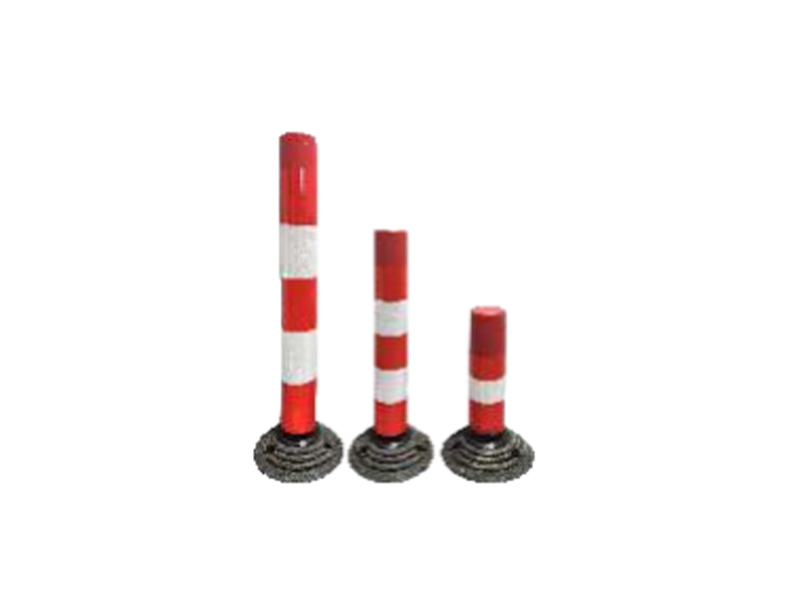
Can Rubber Extend the Lifespan of a Warning Post Under Prolonged Sun Exposure?
In many outdoor environments—from construction zones and highway medians to parking lots and school entrances—the Warning Post plays a critical role in safety and traffic control. However, a common issue with traditional Warning Post materials is UV degradation caused by prolonged sun exposure. Over time, exposure to direct sunlight can to fading colors, brittle surfaces, and even cracking, reducing the post’s effectiveness and increasing maintenance costs.
This has led industry professionals and safety engineers to ask a vital question: Can rubber extend the lifespan of a Warning Post under prolonged sun exposure?
The answer is increasingly becoming a resounding yes.
The Problem with Conventional Materials
Traditional Warning Post designs often rely on hard plastics like PVC or low-grade polyethylene. While these materials are cost-effective and easy to shape, they’re highly susceptible to UV damage. In hot climates or sunny locations, a plastic-based Warning Post may start to fade, lose flexibility, or even break within just a few months. This degradation not only diminishes visibility, especially in low-light conditions, but also weakens the post’s ability to rebound after minor impacts.
Worse still, a damaged Warning Post may pose its hazards—cracked edges, missing reflectors, or a post that’s no longer upright can create confusion or danger for both drivers and pedestrians.
Why Rubber Makes a Difference
Rubber, particularly high-grade recycled rubber or EPDM rubber, offers significant advantages when used as the base material for a Warning Post. First and foremost, rubber has natural UV resistance. Unlike plastic, rubber retains its structural integrity and elasticity even after months or years under the sun.
A Warning Post made from rubber will not crack easily, and its color tends to fade more slowly. It remains flexible in both hot and cold climates, making it ideal for year-round outdoor use. More importantly, it can absorb minor impacts—such as a vehicle brushing against it—and rebound to its original shape without sustaining visible damage.
Real-World Durability and Long-Term Cost Savings
In field tests and real-world applications, rubber-based Warning Posts have consistently outperformed their plastic counterparts in durability. For example, in tropical climates with high UV exposure, a rubber Warning Post can last 2–3 times longer than a similar plastic post. This extended service life translates directly into cost savings for municipalities, parking lot operators, and contractors.
Fewer replacements mean lower labor costs, reduced disruption, and a more sustainable approach to traffic management. When multiplied across hundreds or even thousands of units, the economic benefits are clear.
Additional Safety and Environmental Benefits
Another often-overlooked benefit of using rubber in a Warning Post is its eco-friendliness. Many rubber posts are made from recycled materials, including scrap tires, which helps reduce landfill waste. Their resilience also means fewer damaged units end up being discarded.
From a safety standpoint, a rubber Warning Post is also less likely to damage vehicles upon impact. This is especially important in areas like underground garages or narrow driveways, where contact between vehicles and posts is more common. Rubber's flexibility can help prevent scratches, dents, and paint damage, providing peace of mind for drivers and property managers alike.
As cities expand and safety becomes a growing concern, investing in longer-lasting, more durable infrastructure is more important than ever. Choosing a rubber Warning Post may seem like a small decision, but it can have a big impact on cost, safety, and sustainability.
In environments where sun exposure is constant and intense, opting for a rubber Warning Post is not just a smart move—it’s the future of smart urban planning.
So the next time you're specifying materials for traffic control or perimeter marking, consider whether that standard plastic Warning Post can stand the test of time. Chances are, rubber is the upgrade you’ve been waiting for.
ZHEJIANG LUBA TRAFFIC TECHNOLOGY CO., LTD. * TRAFFIC SAFETY, WE LEAD EVERY STEP * ZHEJIANG LUBA TRAFFIC TECHNOLOGY CO., LTD. * TRAFFIC SAFETY, WE LEAD EVERY STEP * ZHEJIANG LUBA TRAFFIC TECHNOLOGY CO., LTD. * TRAFFIC SAFETY, WE LEAD EVERY STEP * ZHEJIANG LUBA TRAFFIC TECHNOLOGY CO., LTD.
ZHEJIANG LUBA TRAFFIC TECHNOLOGY CO., LTD. * TRAFFIC SAFETY, WE LEAD EVERY STEP * ZHEJIANG LUBA TRAFFIC TECHNOLOGY CO., LTD. * TRAFFIC SAFETY, WE LEAD EVERY STEP * ZHEJIANG LUBA TRAFFIC TECHNOLOGY CO., LTD. * TRAFFIC SAFETY, WE LEAD EVERY STEP * ZHEJIANG LUBA TRAFFIC TECHNOLOGY CO., LTD.

Zhejiang Luba Traffic Technology Co., Ltd. has been dedicated to the R&D and production of rubber and plastic products in the traffic facilities field since its establishment in 2001.
- (+86) 15724246878
- [email protected]
- No.399 West Guangming Road, Sanmen, Taizhou, Zhejiang, China.
Contact us to get our latest product information.
Copyright © Zhejiang Luba Traffic Technology Co.,Ltd. Rights Reserved.

Rubber Speed Hump Supplier