

 English
 简体中文
简体中文 Русский
 Español
ZHEJIANG LUBA TRAFFIC TECHNOLOGY CO., LTD. * TRAFFIC SAFETY, WE LEAD EVERY STEP * ZHEJIANG LUBA TRAFFIC TECHNOLOGY CO., LTD. * TRAFFIC SAFETY, WE LEAD EVERY STEP * ZHEJIANG LUBA TRAFFIC TECHNOLOGY CO., LTD. * TRAFFIC SAFETY, WE LEAD EVERY STEP * ZHEJIANG LUBA TRAFFIC TECHNOLOGY CO., LTD.
How to Choose the Right Warning Post?
When it comes to ensuring safety and order in various public or private spaces, the warning post is an indispensable tool. Whether it’s a construction site, a parking lot, or a busy sidewalk, the presence of a warning post can make all the difference in guiding traffic, protecting property, and preventing accidents. But with so many options available in the market, selecting the right warning post can be a daunting task. This article aims to guide you through the essential factors to consider when choosing a warning post.
Material Matters
The material of a warning post is one of the critical factors to consider. warning posts are made from rubber, which is highly durable and flexible. Rubber warning posts can withstand harsh weather conditions and frequent impacts without breaking or deforming. For instance, in a parking lot where vehicles might accidentally hit the posts, a rubber warning post will bounce back to its original shape, unlike a rigid metal post that could be damaged or cause damage to the vehicle. Additionally, rubber is easy to clean and maintain, making it a practical choice for long-term use.
Height and Visibility
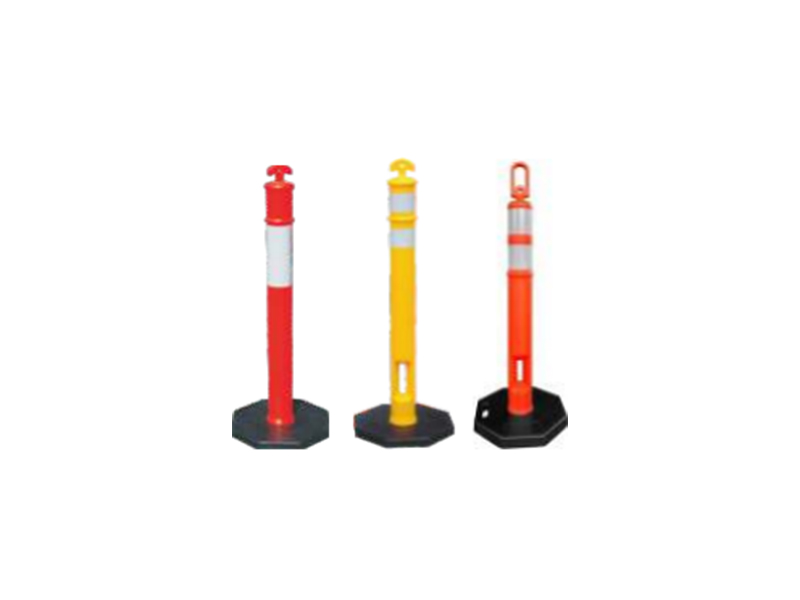
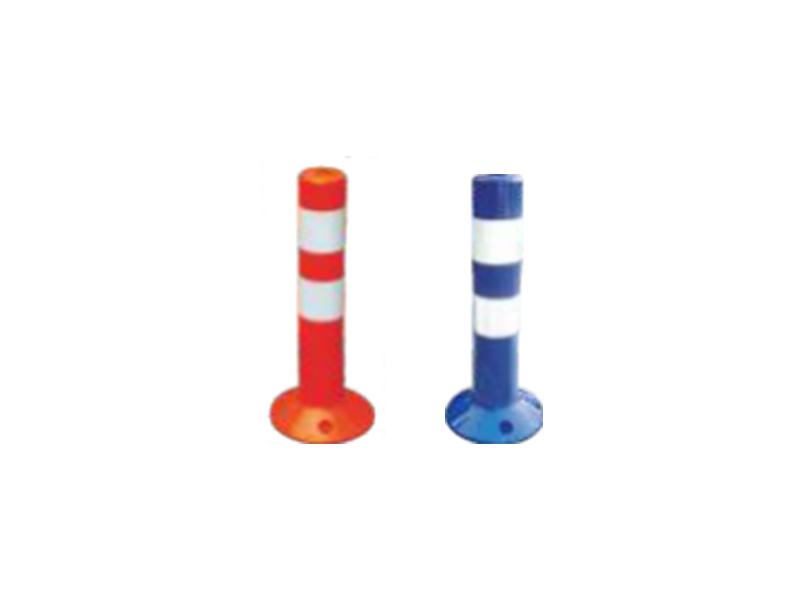
The height of the warning post is another important consideration. A warning post that is too short might be overlooked, while one that is too tall could obstruct visibility or even pose a hazard. Generally, a standard height of around 36 to 48 inches is recommended for applications. This height ensures that the warning post is visible to both pedestrians and drivers. Moreover, the visibility of the warning post can be enhanced with reflective strips or bright colors. Yellow and red are commonly used colors for warning posts because they are highly visible and easily recognizable. Reflective strips are especially useful in low-light conditions, such as during dawn, dusk, or nighttime, ensuring that the warning post remains visible to oncoming traffic.
Durability and Longevity
Durability is a key factor when choosing a warning post. A high-quality warning post should be able to withstand the test of time and repeated use. Look for warning posts that are made from high-grade rubber materials and have a UV-resistant coating. This coating helps protect the warning post from fading and degradation due to prolonged exposure to sunlight. Additionally, a well-constructed warning post should have a sturdy base to prevent it from tipping over easily. Some warning posts come with a weighted base or can be filled with sand or water to provide extra stability. This is particularly important in areas with strong winds or where there is a risk of the post being knocked over.
Ease of Installation and Maintenance
The ease of installation and maintenance of a warning post is also worth considering. Ideally, a warning post should be easy to set up without requiring specialized tools or expertise. Many warning posts come with a simple screw-in base or a pre-drilled hole for easy installation. When it comes to maintenance, rubber warning posts are relatively low-maintenance. They can be easily cleaned with soap and water, and any dirt or grime can be removed without much effort. However, it is important to regularly inspect the warning post for any signs of wear and tear, such as cracks or fading, and replace it if necessary to ensure its effectiveness.
Customization Options
In some cases, you might need a warning post that is customized to meet specific requirements. For example, you might want a warning post with a particular logo or message printed on it for branding purposes. Some manufacturers offer customization options, allowing you to choose the color, size, and design of the warning post. This can be particularly useful for businesses or organizations that want to create a cohesive and professional appearance while ensuring safety.
Finally, it is important to ensure that the warning post you choose complies with relevant safety standards and regulations. Different regions may have specific requirements for the height, color, and visibility of warning posts. By choosing a warning post that meets these standards, you can avoid any potential legal issues and ensure that your warning post is effective in its purpose.
In conclusion, selecting the right warning post involves considering several factors, including material, height, visibility, durability, ease of installation and maintenance, customization options, and compliance with standards. By carefully evaluating these factors, you can choose a warning post that not only enhances safety but also meets your specific needs and requirements. Remember, a well-chosen warning post can make a significant difference in preventing accidents and ensuring a safe environment. So, take the time to choose the right warning post for your needs.
ZHEJIANG LUBA TRAFFIC TECHNOLOGY CO., LTD. * TRAFFIC SAFETY, WE LEAD EVERY STEP * ZHEJIANG LUBA TRAFFIC TECHNOLOGY CO., LTD. * TRAFFIC SAFETY, WE LEAD EVERY STEP * ZHEJIANG LUBA TRAFFIC TECHNOLOGY CO., LTD. * TRAFFIC SAFETY, WE LEAD EVERY STEP * ZHEJIANG LUBA TRAFFIC TECHNOLOGY CO., LTD.
ZHEJIANG LUBA TRAFFIC TECHNOLOGY CO., LTD. * TRAFFIC SAFETY, WE LEAD EVERY STEP * ZHEJIANG LUBA TRAFFIC TECHNOLOGY CO., LTD. * TRAFFIC SAFETY, WE LEAD EVERY STEP * ZHEJIANG LUBA TRAFFIC TECHNOLOGY CO., LTD. * TRAFFIC SAFETY, WE LEAD EVERY STEP * ZHEJIANG LUBA TRAFFIC TECHNOLOGY CO., LTD.

Zhejiang Luba Traffic Technology Co., Ltd. has been dedicated to the R&D and production of rubber and plastic products in the traffic facilities field since its establishment in 2001.
- (+86) 15724246878
- [email protected]
- No.399 West Guangming Road, Sanmen, Taizhou, Zhejiang, China.
Contact us to get our latest product information.
Copyright © Zhejiang Luba Traffic Technology Co.,Ltd. Rights Reserved.

Rubber Speed Hump Supplier