

 English
 简体中文
简体中文 Русский
 Español
ZHEJIANG LUBA TRAFFIC TECHNOLOGY CO., LTD. * TRAFFIC SAFETY, WE LEAD EVERY STEP * ZHEJIANG LUBA TRAFFIC TECHNOLOGY CO., LTD. * TRAFFIC SAFETY, WE LEAD EVERY STEP * ZHEJIANG LUBA TRAFFIC TECHNOLOGY CO., LTD. * TRAFFIC SAFETY, WE LEAD EVERY STEP * ZHEJIANG LUBA TRAFFIC TECHNOLOGY CO., LTD.
How Can Your Facility Install A Cable Protector Quickly?
Understanding the Cable Protector
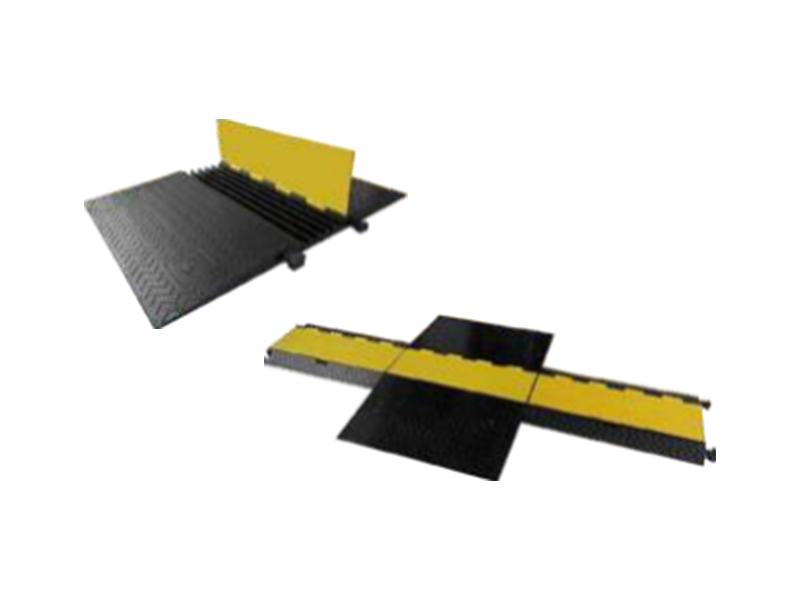
A Cable Protector is a rubber-based device designed to safeguard cables, wires, and hoses from damage while allowing vehicle and pedestrian traffic to pass safely. Similar in appearance to a speed bump, these protectors feature multiple channels where cables are placed, keeping them secure against crushing or wear.
The product is widely used in exhibition halls, outdoor events, stages, workshops, and parking lots. Its bright yellow and black design ensures high visibility, attracting attention and encouraging vehicles to slow down in areas where cables are laid. The top lid is made of durable PVC, making the protector suitable for both indoor and outdoor conditions.
Key Features of Cable Protectors
Durable Material and Load Resistance
Cable Protectors are made from industrial-grade rubber, providing compression resistance and shock absorption. They can withstand repeated vehicle traffic while minimizing wear and tear on both cables and vehicles. Each channel allows multiple cables or hoses to be placed safely, reducing the risk of accidental damage during operations.
Visibility and Safety
The black and yellow color pattern makes cable protectors highly visible in both day and night conditions. Reflective features or bright-colored lids increase visibility, helping prevent accidents during events or in industrial areas. This visual alert system is especially useful in crowded venues or locations with heavy machinery.
Flexible and Adaptable
The cable protector's design allows easy opening of the top lid to insert cables. Once closed, it provides a smooth surface for vehicles and pedestrians, without compromising protection. Its flexibility and simple installation process make it practical for temporary events as well as permanent setups in factories, warehouses, or commercial complexes.
Installation Considerations
Strategic Placement
To achieve protection, place Cable Protectors along paths with vehicle access or high foot traffic. Ideal locations include:
- Event halls and stages
- Parking lots and office complexes
- Industrial workshops with forklifts
- Warehouses and material handling areas
Proper placement ensures continuous protection across all cable lines while maintaining a neat and orderly environment.
Quick Installation Process
Installing a cable protector involves three simple steps:
- Lay the cable protector along the cable path.
- Open the top lid and insert the cables or hoses into the channels.
- Close the lid, securing the cables while allowing vehicles and pedestrians to pass.
This method allows rapid deployment for temporary events and reduces downtime in operational facilities.
Maintenance and Longevity
Cable protectors require minimal maintenance. Regular checks ensure that the lid is securely closed and channels are clear of debris. Industrial-grade rubber and PVC materials are designed to resist wear from vehicles, weather, and repeated use, allowing the protector to maintain its functionality over time.
Choosing a Reliable Cable Protector Factory
Selecting a specialized Cable Protector Factory ensures consistent product quality. A reliable factory can guide material selection, design features, and sizing, helping to match the protector to specific operational needs. Working with a dedicated factory reduces risks associated with substandard materials, improper installation, or insufficient load resistance.
Partnering with a professional factory also allows customization, such as multiple cable channels, reflective lids, and modular lengths, improving flexibility for different applications.
Their versatility and durability make them a practical solution for protecting valuable cables while allowing smooth vehicle and pedestrian traffic.
ZHEJIANG LUBA TRAFFIC TECHNOLOGY CO., LTD. * TRAFFIC SAFETY, WE LEAD EVERY STEP * ZHEJIANG LUBA TRAFFIC TECHNOLOGY CO., LTD. * TRAFFIC SAFETY, WE LEAD EVERY STEP * ZHEJIANG LUBA TRAFFIC TECHNOLOGY CO., LTD. * TRAFFIC SAFETY, WE LEAD EVERY STEP * ZHEJIANG LUBA TRAFFIC TECHNOLOGY CO., LTD.
ZHEJIANG LUBA TRAFFIC TECHNOLOGY CO., LTD. * TRAFFIC SAFETY, WE LEAD EVERY STEP * ZHEJIANG LUBA TRAFFIC TECHNOLOGY CO., LTD. * TRAFFIC SAFETY, WE LEAD EVERY STEP * ZHEJIANG LUBA TRAFFIC TECHNOLOGY CO., LTD. * TRAFFIC SAFETY, WE LEAD EVERY STEP * ZHEJIANG LUBA TRAFFIC TECHNOLOGY CO., LTD.

Zhejiang Luba Traffic Technology Co., Ltd. has been dedicated to the R&D and production of rubber and plastic products in the traffic facilities field since its establishment in 2001.
- (+86) 15724246878
- [email protected]
- No.399 West Guangming Road, Sanmen, Taizhou, Zhejiang, China.
Contact us to get our latest product information.
Copyright © Zhejiang Luba Traffic Technology Co.,Ltd. Rights Reserved.

Rubber Speed Hump Supplier