

 English
 简体中文
 Русский
 Español

ZHEJIANG LUBA TRAFFIC TECHNOLOGY CO., LTD. * TRAFFIC SAFETY, WE LEAD EVERY STEP * ZHEJIANG LUBA TRAFFIC TECHNOLOGY CO., LTD. * TRAFFIC SAFETY, WE LEAD EVERY STEP * ZHEJIANG LUBA TRAFFIC TECHNOLOGY CO., LTD. * TRAFFIC SAFETY, WE LEAD EVERY STEP * ZHEJIANG LUBA TRAFFIC TECHNOLOGY CO., LTD.
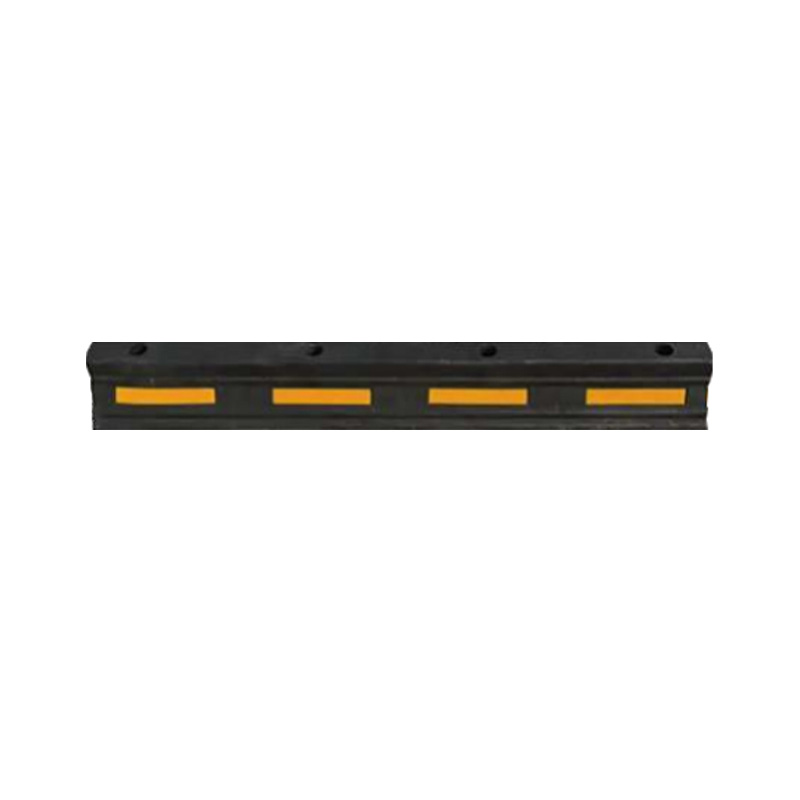
How Does a Car Parking Stopper Affect Parking Space Safety
A parking space may look simple, but the way a vehicle stops inside it can affect the space around the vehicle. A car needs enough room behind it without getting too close to a wall, barrier, post, or other structure. At the same time, the stopping position needs to remain reasonably consistent when the space is used repeatedly.
A Car Parking Stopper provides a physical reference point for the vehicle as it moves into a parking space. Its position, height, material condition, and connection with the ground can all affect how it performs during regular use. A stopper that is placed without considering the vehicle, floor, or surrounding structures may not provide the expected stopping reference.
The issue is therefore not limited to the stopper itself. Parking space layout, vehicle size, installation conditions, contact between the tire and stopper, and ongoing maintenance are connected parts of the same process. Looking at these factors together makes it easier to identify why a parking space may become difficult to use or why a stopper may change position over time.
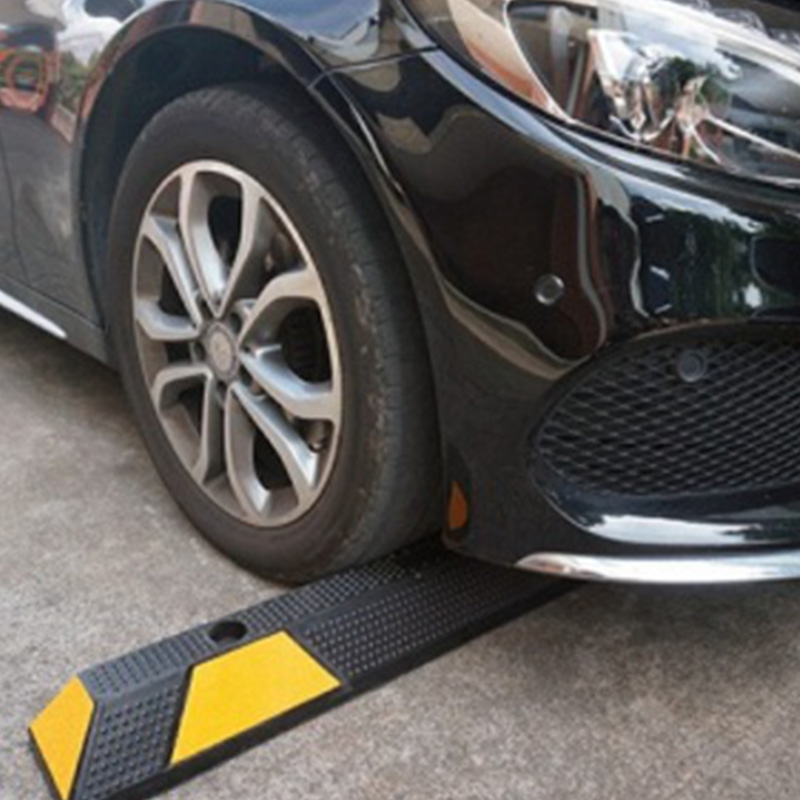
Where Should a Car Parking Stopper Be Positioned
The position of a parking stopper determines where the front or rear wheels come to rest. It therefore needs to be considered together with the objects surrounding the parking space. A wall directly behind the vehicle is one example, but columns, fences, equipment, walkways, and other fixed structures may also affect the available space.
The stopper should provide a clear stopping point without forcing the vehicle into an unsuitable position. If it is placed too far from the rear boundary, unused space may remain between the vehicle and the stopper. If it is placed too close, the vehicle may reach the surrounding structure before the driver has enough room to stop comfortably.
The condition of the parking surface also matters. A sloped or uneven area can change how the vehicle approaches the stopper. Even when the stopper itself is positioned correctly, the actual stopping position may vary if the vehicle does not approach it from a consistent direction.
When planning the position, several elements can be considered together:
- The location of nearby walls and barriers
- The direction from which vehicles enter the space
- The position of the vehicle's wheels
- The condition and slope of the floor
- The amount of space needed around the parked vehicle
This approach helps connect the stopper with the complete parking space rather than treating it as an isolated object.
How Does Vehicle Size Affect Parking Stopper Placement
Vehicles do not all have the same wheel position or body shape. A compact passenger car, a larger SUV, and a vehicle with a longer body may occupy the same parking space differently. The front end, rear overhang, wheelbase, and tire position can all influence where the vehicle comes to rest.
For this reason, the position of a stopper should not be selected only by looking at the overall length of the parking space. The relationship between the tires and the surrounding structure is more useful when determining where the vehicle should stop.
A vehicle with a longer front or rear section may extend farther beyond the wheels. Another vehicle may have a different wheel position relative to the body. If the stopping point is selected without considering these differences, the vehicle may stop safely while still leaving an unsuitable amount of space around its body.
| Parking factor | What to consider |
| Vehicle body | Check how far the body extends beyond the wheels |
| Wheel position | Consider where the tires will contact the stopper |
| Vehicle type | Different body shapes may require different positioning |
| Surrounding structures | Allow suitable clearance behind or around the vehicle |
| Entry direction | Consider how the vehicle approaches the stopping point |
For parking areas used by different vehicle types, the intended stopping position should be based on the vehicles expected to use the space. This is particularly relevant where one parking layout is shared by residents, employees, visitors, or customers.
How Does Floor Condition Affect Car Parking Stopper Installation
A stopper depends on the ground beneath it. The floor provides the support needed to keep the unit in its intended position when a vehicle reaches it. If the surface is damaged, uneven, loose, or unsuitable for the chosen fixing method, the installation may become less stable.
Concrete and asphalt surfaces can behave differently during installation and use. Cracks, worn areas, repaired sections, and surface changes may also affect where fixing points can be placed. A parking area that appears flat from a distance may still contain small changes that matter when a stopper is being installed.
The installation area should therefore be checked before fixing the unit in place. Particular attention can be given to:
- Surface condition around the intended fixing points
- Cracks or damaged sections
- Local changes in floor level
- Water accumulation or drainage problems
- Whether the selected fixing method suits the ground
The same consideration applies when an existing parking area is renovated. Changes to the floor may affect the relationship between the stopper and the vehicle, even if the stopper itself has not changed.
What Can Cause a Car Parking Stopper to Shift
Movement after installation can come from several sources. Repeated contact with tires places force on the stopper, while loose fixing hardware can allow small movements to accumulate. A weak or damaged area of the floor can create another path for movement.
The way vehicles approach the stopping point also matters. If a vehicle reaches the stopper at an angle or with unnecessary force, the contact may place more sideways pressure on the unit. Over repeated use, this can change its position.
A shifted stopper may seem like a minor maintenance issue, but its position is part of the parking layout. Once the original stopping point changes, the available clearance around the vehicle may change as well.
Common causes can include:
- Loose fixing hardware
- Damaged ground around the fixing points
- Repeated off-center tire contact
- A stopper that has been installed on an unsuitable surface
- Physical damage to the stopper itself
Checking movement early can prevent a small positioning problem from becoming a larger parking-space issue.
What Happens When a Vehicle Contacts a Parking Stopper
The contact between a tire and a stopper is a normal part of parking. As the tire reaches the raised surface, the vehicle's forward movement is reduced and the driver receives a physical indication that the intended stopping point has been reached.
The amount of force involved can vary with the way the vehicle approaches the stopper. Gentle contact is different from approaching too quickly or at an angle. Tire pressure, vehicle load, surface condition, and driving direction can also influence how the contact feels.
A suitable stopping point should work with normal parking behavior rather than depending on forceful contact. Repeated hard contact may place unnecessary stress on the stopper, its fixing points, and the surrounding floor.
The contact area is also worth observing during routine checks. Uneven wear, deformation, cracks, or movement may indicate that the way vehicles are reaching the stopper is not consistent with the original installation conditions.
How Do Weather Conditions Affect a Parking Stopper
Outdoor parking areas expose equipment to changing environmental conditions. Sunlight, rain, moisture, temperature changes, and dirt can gradually alter the condition of exposed surfaces. The effects depend on the material, construction, installation environment, and amount of exposure.
A stopper located in a covered garage may have a different maintenance pattern from one placed in an open parking area. Outdoor units can collect dust and water, while indoor installations may experience less direct weather exposure but can still be affected by cleaning activities, vehicle fluids, or changes in the surrounding floor.
Environmental exposure may appear through changes such as:
- Surface fading or discoloration
- Cracking or hardening
- Worn reflective areas
- Dirt collecting around fixing points
- Corrosion on exposed metal hardware
These changes do not necessarily mean that a stopper needs immediate replacement. They do, however, provide reasons to inspect the condition of the unit and its installation points more closely.
What Should Be Checked on a Parking Stopper Regularly
Regular inspection is mainly about identifying changes from the original condition. A quick visual check can show whether the stopper remains in its intended position and whether visible damage has developed.
The fixing points deserve attention because a stopper can appear intact while becoming less secure at the connection with the ground. The surrounding floor should also be checked, particularly where cracks or surface damage have appeared near the fixing points.
| Inspection area | What to look for |
| Stopper surface | Cracks, deformation, heavy wear, or visible damage |
| Position | Movement or change from the intended location |
| Fixing points | Loose hardware or damage around the connection |
| Reflective areas | Dirt, fading, peeling, or reduced visibility |
| Ground | Cracks, broken sections, or changes around the installation |
| Surrounding space | New obstacles or changes affecting vehicle clearance |
Inspection frequency can be adjusted according to the parking environment and how frequently vehicles use the space. Areas with frequent vehicle movement may need closer observation than spaces used occasionally.
Cleaning is also part of maintaining a clear stopping point. Dirt should not be allowed to cover reflective areas or hide visible damage. When cleaning is carried out, the condition of the fixing points can be checked at the same time.
When Should a Car Parking Stopper Be Replaced
Replacement becomes relevant when the stopper can no longer maintain its intended position or physical condition. A visible crack, significant deformation, damaged fixing area, or persistent movement can affect how the stopping point functions.
Not every surface mark requires replacement. Normal signs of use should be considered alongside the condition of the entire unit and its connection with the ground. The surrounding floor also needs attention because replacing the stopper without addressing damaged ground may leave the original problem unresolved.
Before installing a replacement, the parking space can be checked again rather than simply placing the new unit in exactly the same position. Vehicle types, nearby structures, floor condition, and the direction of vehicle entry may have changed since the original installation.
A replacement check can therefore include:
- The condition of the existing stopper
- The stability of the fixing points
- The condition of the underlying floor
- The current position of nearby structures
- The vehicles expected to use the space
- Whether the existing stopping position remains suitable
A parking space changes through use, maintenance, renovation, and changes in vehicle access. Treating the stopper as part of that larger space makes it easier to keep the stopping position consistent and the surrounding area orderly.
ZHEJIANG LUBA TRAFFIC TECHNOLOGY CO., LTD. * TRAFFIC SAFETY, WE LEAD EVERY STEP * ZHEJIANG LUBA TRAFFIC TECHNOLOGY CO., LTD. * TRAFFIC SAFETY, WE LEAD EVERY STEP * ZHEJIANG LUBA TRAFFIC TECHNOLOGY CO., LTD. * TRAFFIC SAFETY, WE LEAD EVERY STEP * ZHEJIANG LUBA TRAFFIC TECHNOLOGY CO., LTD.
ZHEJIANG LUBA TRAFFIC TECHNOLOGY CO., LTD. * TRAFFIC SAFETY, WE LEAD EVERY STEP * ZHEJIANG LUBA TRAFFIC TECHNOLOGY CO., LTD. * TRAFFIC SAFETY, WE LEAD EVERY STEP * ZHEJIANG LUBA TRAFFIC TECHNOLOGY CO., LTD. * TRAFFIC SAFETY, WE LEAD EVERY STEP * ZHEJIANG LUBA TRAFFIC TECHNOLOGY CO., LTD.

Zhejiang Luba Traffic Technology Co., Ltd. has been dedicated to the R&D and production of rubber and plastic products in the traffic facilities field since its establishment in 2001.
- (+86) 15724246878
- [email protected]
- No.399 West Guangming Road, Sanmen, Taizhou, Zhejiang, China.
Contact us to get our latest product information.
Copyright © Zhejiang Luba Traffic Technology Co.,Ltd. Rights Reserved.

Rubber Speed Hump Supplier