

 English
 简体中文
 Русский
 Español

ZHEJIANG LUBA TRAFFIC TECHNOLOGY CO., LTD. * TRAFFIC SAFETY, WE LEAD EVERY STEP * ZHEJIANG LUBA TRAFFIC TECHNOLOGY CO., LTD. * TRAFFIC SAFETY, WE LEAD EVERY STEP * ZHEJIANG LUBA TRAFFIC TECHNOLOGY CO., LTD. * TRAFFIC SAFETY, WE LEAD EVERY STEP * ZHEJIANG LUBA TRAFFIC TECHNOLOGY CO., LTD.
How Does Solid Wheel Chock Design Affect Everyday Use
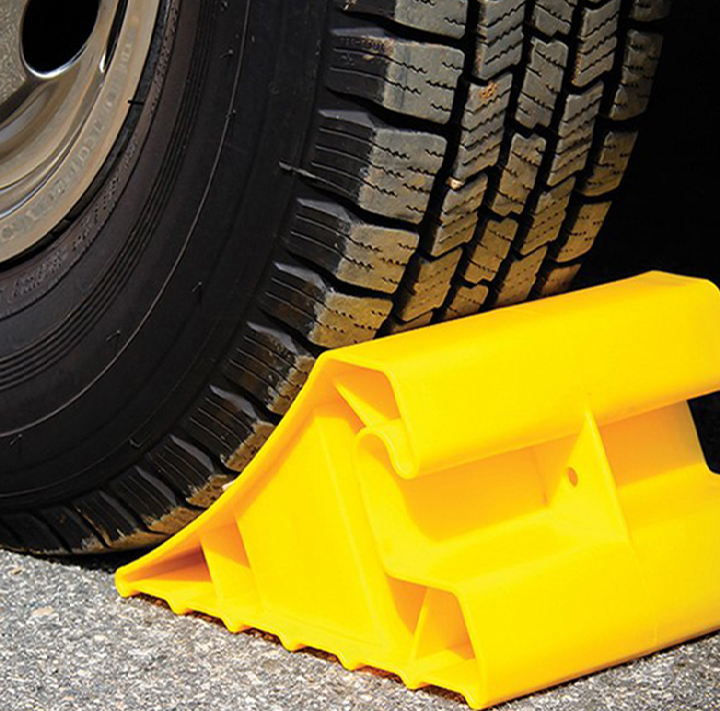
A wheel chock is a simple piece of equipment. It sits near a vehicle wheel and helps keep the vehicle in position when it is parked or stopped. Because of its simple appearance, its design can be easy to overlook.
Yet small design choices can affect how a wheel chock is handled, placed, stored, and used. A solid wheel chock is expected to stay in position while also being practical for people who use it regularly. Its shape, weight, surface, and handling features all influence the everyday experience.
This makes Solid Wheel Chocks more than a basic parking accessory. For warehouses, loading areas, workshops, transport operations, and other working environments, the design can become part of the wider approach to vehicle control.
The discussion is therefore moving beyond whether a wheel chock is available. Attention is also turning toward how its design fits real working habits.
Why Does Solid Wheel Chock Design Matter in Everyday Use?
Everyday use often reveals details that are difficult to notice when looking at a product in a catalog. A wheel chock may appear suitable at a glance, but its practical value depends on what happens when people need to carry it, position it, remove it, or store it.
A well-considered design can make these actions more straightforward. A poorly matched design may create small inconveniences each time the equipment is used. Over repeated use, those small issues can become part of the daily workflow.
The design also needs to match the environment. A chock used around delivery vehicles may have different handling needs from one used in a workshop or parking area. The surrounding space, vehicle type, ground condition, and frequency of use can all influence what users expect.
| Design Area | Everyday Use Consideration |
|---|---|
| Shape | Can make positioning more convenient |
| Weight | Affects carrying and handling |
| Surface | Influences grip and contact with the ground |
| Handle or Grip Area | Can make placement and removal easier |
| Storage Form | Affects how the chock is kept between uses |
| Visibility | Helps users notice the chock in a working area |
These details show why design should be considered as part of the user experience. The purpose remains simple, but the way the product is designed can change how easily that purpose is achieved.
How Does Shape Affect the Way a Solid Wheel Chock Is Used?
Shape is one of the most visible parts of a wheel chock. It determines how the chock sits against a wheel and how a person approaches the placement task. A practical shape can make the product easier to recognize and handle during routine work.
Different vehicles also create different usage situations. A wheel on a small vehicle may present a different contact area from a larger commercial vehicle. The working surface may also be flat, uneven, or slightly sloped. These conditions make shape an important consideration during selection.
The form of the chock can also influence storage. A bulky shape may take up more room when several units need to be kept together. A more organized shape may be easier to place on a shelf, in a storage area, or near a vehicle parking position.
For users, several simple questions can help when looking at shape:
- Does the chock sit naturally against the intended wheel?
- Is it easy to position without repeated adjustment?
- Can users recognize its correct placement?
- Is the shape practical for storage between uses?
A simple design does not necessarily mean an identical design will suit every situation. The working environment remains an important part of the selection process.
Can Weight Change the Everyday Handling Experience?
Weight has a direct connection with handling. A wheel chock needs enough physical presence for its intended application, while users may also need to move it several times during a working day.
If a chock is difficult to carry, workers may spend more effort moving it between storage and use locations. This can be especially noticeable in environments where vehicles arrive and leave frequently. Handling therefore becomes part of the product's practical role.
At the same time, users may not simply want the lightest available option. A very light product may feel different during placement and movement. The preferred balance depends on the vehicle, environment, and way the equipment is used.
This creates a useful distinction between product weight and handling convenience. Weight is only one part of the experience. The overall shape and the way a person can grip the chock also matter.
| Handling Factor | Possible Effect on Everyday Work |
|---|---|
| Overall Weight | Influences carrying effort |
| Grip Area | Affects how easily the chock can be moved |
| Shape | Can change how the product is picked up |
| Storage Location | Determines how far it needs to be carried |
| Frequency of Use | Makes handling convenience more noticeable |
For businesses that use wheel chocks regularly, these everyday actions deserve attention. A product that is easy to handle can fit more naturally into an existing workflow.
Why Does Surface Design Matter for Solid Wheel Chocks?
The surface of a wheel chock is another part of its practical design. The chock interacts with both the wheel and the ground, so surface characteristics can influence how it behaves during use.
The ground itself can vary considerably. A parking area may have a relatively smooth surface, while a workshop or loading area may contain dust, moisture, or other conditions associated with regular vehicle activity. Users therefore need to consider how the product is intended to perform within its working environment.
Surface texture can also affect handling. A person may need to pick up the chock with gloves, move it with one hand, or remove it after a vehicle has been parked. A practical surface can make these actions easier.
Visibility is another consideration. A wheel chock that is easy to see can be more noticeable in a busy work area. This can help workers remember where equipment has been placed and reduce the chance of leaving it in an unexpected location.
The important point is that surface design has several roles. It is not only about the area that contacts the wheel. It can also influence handling, visibility, cleaning, and storage.
How Does Handle Design Influence Daily Use?
A handle or dedicated grip area may seem like a small addition, but it can change how users interact with a solid wheel chock.
Imagine a worker moving several pieces of equipment around a loading area. The task is not technically complicated. However, the worker may need to bend down, pick up the chock, carry it to another location, position it, and later remove it. A practical grip can make these movements more natural.
Handle design can also help users identify how the chock should be moved. This matters in busy areas where equipment is shared among different workers. Clear and familiar handling features can reduce unnecessary adjustment during routine tasks.
Storage is another area where a grip can be useful. When wheel chocks are removed from service, they need a place to stay. A design that is easy to pick up and organize can support cleaner equipment management.
For everyday use, buyers can consider:
- Whether the chock is easy to pick up.
- Whether the grip remains practical during repeated handling.
- Whether gloves affect the handling experience.
- Whether the design supports convenient storage.
These are ordinary questions, but they reflect how products are actually used. The value of a wheel chock is not limited to the moment when it is placed beside a wheel.
What Role Does Visibility Play in Solid Wheel Chock Design?
A wheel chock is used in an environment where vehicles, people, tools, and other equipment may all be moving around. Visibility can therefore become an important part of practical design.
A chock that blends into the surrounding surface may be harder to notice. This can matter when workers are checking a vehicle area before moving equipment or preparing a parking position. A visible product can make its location easier to identify.
Visibility is also connected with storage. When wheel chocks are kept in a designated area, workers should be able to find them without unnecessary searching. Clear shapes and recognizable features can help establish a simple equipment routine.
This does not mean visibility needs to dominate the design. It needs to work alongside handling and placement. A product can be easy to see while still being practical to move and store.
| Visibility Situation | Why It Matters |
|---|---|
| Vehicle Parking Area | Helps users notice the chock near the wheel |
| Loading Area | Makes equipment easier to identify among other objects |
| Workshop | Helps distinguish the chock from surrounding tools |
| Storage Area | Supports easier equipment location |
| Shared Workplace | Makes the product more recognizable to different users |
As workplaces become more organized, small safety-related tools are increasingly considered part of the overall visual environment. Wheel chocks can fit into this approach through clear and practical design.
How Can Solid Wheel Chock Design Fit Different Working Environments?
A wheel chock does not exist in isolation. Its everyday use depends heavily on where it is placed.
A warehouse may have frequent vehicle movement and limited working space. A workshop may have tools and equipment positioned around parked vehicles. A loading area may require workers to move between vehicles and nearby equipment. A parking area may have a different rhythm altogether.
These differences affect the way users interact with a chock. In a busy environment, easy handling may matter more. In a storage-focused setting, compact organization may receive more attention. In an outdoor location, users may pay closer attention to the surrounding conditions.
This is why application-based selection can be more useful than choosing a wheel chock based on appearance alone.
| Working Environment | Design Consideration |
|---|---|
| Warehouse | Easy handling and clear placement |
| Workshop | Practical storage and visibility |
| Loading Area | Quick access and convenient movement |
| Parking Area | Simple placement and removal |
| Fleet Area | Organized storage and repeated use |
The same product may be used across several environments, but its suitability should still be considered in relation to the actual task. Buyers can look at where the chock will be kept, who will use it, and how often it will be moved.
What Should Buyers Consider When Choosing Solid Wheel Chocks?
Price is naturally part of a purchasing decision, but everyday use involves more than the initial purchase. Buyers may also need to think about handling, storage, application, and the working environment.
A practical purchasing process can begin with the vehicle and the location. Understanding how the chock will be used gives buyers a clearer basis for comparing different designs.
It can also help to consider the people who will handle the product. A wheel chock may be purchased by a business manager, but it will often be used by drivers, warehouse workers, workshop staff, or other employees. Their daily interaction with the product is worth considering.
Several questions can help organize the selection process:
| Buyer Question | What It Helps Clarify |
|---|---|
| Where will the chock be used? | Identifies the working environment |
| What type of vehicle will use it? | Helps match the design with the application |
| How often will it be handled? | Shows the importance of carrying convenience |
| Where will it be stored? | Helps determine storage needs |
| Who will use it? | Brings everyday handling into the decision |
| What ground conditions are expected? | Helps assess whether the design suits the location |
| Is visibility important? | Supports clearer equipment management |
This approach can also make supplier discussions more useful. Instead of asking only about the product itself, buyers can describe the actual working situation and ask whether the design fits that use.
For suppliers and manufacturers, this creates an opportunity to focus on practical product communication. Clear descriptions of intended applications, handling features, storage considerations, and design characteristics can help buyers understand what they are purchasing.
As wheel chocks remain part of everyday vehicle management, design details will continue to influence how these simple products fit into working routines. Shape, weight, surface, grip, visibility, and storage all contribute to that experience.
ZHEJIANG LUBA TRAFFIC TECHNOLOGY CO., LTD. * TRAFFIC SAFETY, WE LEAD EVERY STEP * ZHEJIANG LUBA TRAFFIC TECHNOLOGY CO., LTD. * TRAFFIC SAFETY, WE LEAD EVERY STEP * ZHEJIANG LUBA TRAFFIC TECHNOLOGY CO., LTD. * TRAFFIC SAFETY, WE LEAD EVERY STEP * ZHEJIANG LUBA TRAFFIC TECHNOLOGY CO., LTD.
ZHEJIANG LUBA TRAFFIC TECHNOLOGY CO., LTD. * TRAFFIC SAFETY, WE LEAD EVERY STEP * ZHEJIANG LUBA TRAFFIC TECHNOLOGY CO., LTD. * TRAFFIC SAFETY, WE LEAD EVERY STEP * ZHEJIANG LUBA TRAFFIC TECHNOLOGY CO., LTD. * TRAFFIC SAFETY, WE LEAD EVERY STEP * ZHEJIANG LUBA TRAFFIC TECHNOLOGY CO., LTD.

Zhejiang Luba Traffic Technology Co., Ltd. has been dedicated to the R&D and production of rubber and plastic products in the traffic facilities field since its establishment in 2001.
- (+86) 15724246878
- [email protected]
- No.399 West Guangming Road, Sanmen, Taizhou, Zhejiang, China.
Contact us to get our latest product information.
Copyright © Zhejiang Luba Traffic Technology Co.,Ltd. Rights Reserved.

Rubber Speed Hump Supplier