
 英语
英语 中文简体
中文简体 西班牙语
西班牙语 俄语
俄语Roads, intersections, and public areas often need clear markers to guide traffic and indicate boundaries. A Warning Post serves as a visible contour marker that highlights the direction of the road, separates lanes, and helps drivers navigate safely under various conditions. With its retro-reflective surface, it remains visible even in low light or adverse weather.
Manufacturers design these posts to withstand vehicle impact. After a collision, the high-elastic material allows the post to recover quickly, minimizing damage and preventing hazards.
Features That Make Warning Posts Effective
Super Flexibility
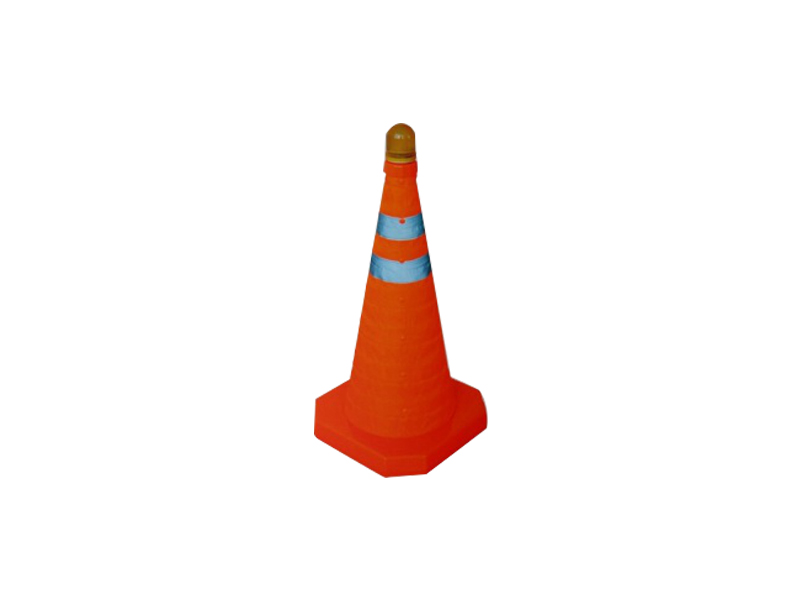
A good Warning Post can bend up to 45 degrees and resist deformation, even if stepped on or hit by vehicles. This feature allows it to remain functional after repeated impacts, providing long-term road marking without frequent replacement.
Reflective Properties
Retro-reflective materials make the post highly visible during nighttime, fog, rain, or snow. This improves traffic awareness and reduces the risk of accidents at intersections or construction zones.
Compatibility With Accessories
Warning posts are often used together with warning chains, warning tapes, or link barriers. This combination strengthens the isolation of restricted areas, controls pedestrian and vehicle movement, and supports temporary or permanent road layouts.
Weather Resistance
High-elastic and weather-resistant materials ensure that posts can operate normally in rain, snow, or heat. For urban and highway environments, this durability minimizes maintenance and ensures continuous effectiveness.
Typical Applications of Warning Posts
Warning posts are versatile and can be installed in various contexts:
- Roadside lane marking and contour outlining
- Parking space arrangement and vehicle isolation
- Municipal construction and public event management
- Highway toll gates and city intersections
- Pedestrian crossings and temporary traffic divisions
- Protection of dangerous or restricted areas
By marking boundaries clearly, a Warning Post reduces vehicle collisions, directs traffic flow, and creates safer public spaces.
Installation Tips for Reliable Performance
Correct installation is key to the effectiveness of a warning post. Common steps include:
- Placement Measurement – Measure the intended layout to ensure proper spacing.
- Drill Preparation – Use an electric drill to lightly mark screw holes; adjust for consistent depth.
- Post Alignment – Place the post, insert screws or anchors, and secure tightly with nuts.
- Accessory Connection – If using chains or tapes, connect them firmly to the posts to define areas.
Properly installed posts maintain alignment, improve visibility, and reduce maintenance efforts.
Common Challenges in Warning Post Usage
Even durable posts can face practical challenges if attention is not paid to installation and environment:
- Improper Placement – Posts too far apart or misaligned may reduce visibility.
- Loose Fastening – Screws or anchors that are not tightened can cause posts to tilt.
- Heavy Vehicle Impact – Extreme impacts may still damage weaker posts; material choice matters.
- Accessory Coordination – Chains or tapes that are improperly attached can fail to isolate areas.
Attention to these details ensures that Warning Posts perform consistently in daily operations.
Benefits Across Different Settings
Warning posts offer clear, cost-effective benefits:
- Highlight road edges and lane boundaries
- Protect pedestrians and restricted areas
- Support temporary and permanent traffic control
- Reduce maintenance with flexible and durable construction
- Easily combine with warning chains or tape for isolation
They provide a straightforward method for managing traffic, protecting property, and guiding public movement.