
 英语
英语 中文简体
中文简体 西班牙语
西班牙语 俄语
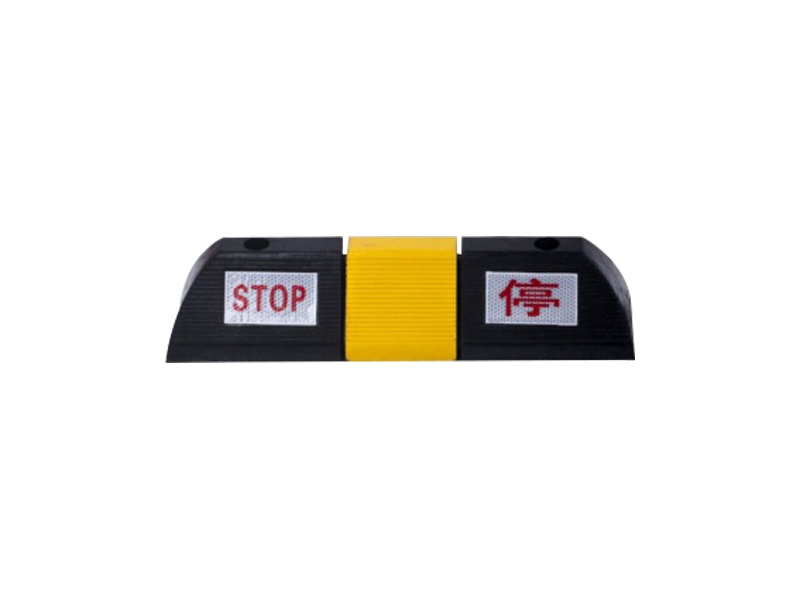
俄语When a vehicle is parked, under repair, or temporarily stopped on the road, movement is still possible even after the brakes are applied. That small amount of rolling can create trouble during loading, unloading, parking, or roadside service. A Wheel Chock is designed to solve that problem in a direct and practical way.
Placed firmly against the tire, it helps hold the vehicle in position and reduces forward or backward movement. For many industrial, transport, and maintenance scenarios, this small product plays an important role in daily vehicle support.
Material choice has a direct effect on performance. A rubber Wheel Chock is widely used because it balances grip, pressure resistance, and surface contact.
Common Material Advantage
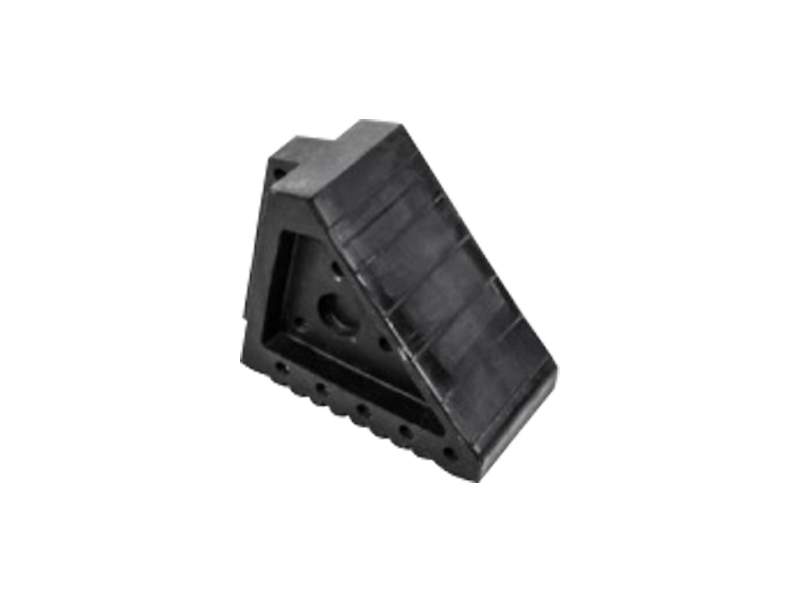
The rubber version is typically made from recycled rubber that is synthesized through vulcanization and high-pressure molding. This process helps create a product that can handle repeated use while maintaining shape and function.
Why Rubber Works Well
Rubber offers several practical benefits:
- Good contact with ground surfaces
- Stable grip against tire tread
- Resistance to pressure during vehicle parking
- Comfortable handling during daily use
- Long service life in repeated applications
For distributors and project buyers, this material also supports broader market demand because it is suitable for many common vehicle types.
Key Product Features Buyers Often Care About
Not all wheel restraint products perform the same in real use. Structure and production details can make a noticeable difference.
1. Lightweight but Durable Structure
A good Wheel Chock should be easy to carry and place, while still strong enough for regular vehicle support. This balance matters for warehouse teams, drivers, roadside crews, and maintenance workers who need something practical rather than bulky.
2. Slip-Resistant Surface
Oil resistance and anti-slip surface texture help the product maintain contact with the ground and tire. This improves traction in common work environments such as garages, parking zones, and loading areas.
3. Triangular Design for Better Placement
A partially triangular structure allows the product to sit closely against the wheel. This shape is widely used because it supports stable positioning and makes placement easier.
4. Clean Surface and Trimmed Edges
A well-made rubber stopper should have a clean finish and neat trimming. This is not only about appearance. A smoother, more complete molded body often reflects better production control.
5. Toughness from Full Vulcanization
Constant-temperature vulcanization helps the rubber cure more evenly. When the molding process is properly controlled, the finished product becomes tougher and more consistent in use.
How a Wheel Chock Is Used Correctly
Correct placement is just as important as product quality. Even a well-made product needs to be used in the right position to work effectively.
Basic Placement Rules
Follow these general points during use:
- Place the product centered against the tire
- Keep it at a right angle to the wheel
- Press it firmly into the tire tread area
- Use them in pairs rather than one alone
This helps improve stability and gives more balanced restraint.
Placement on Different Ground Conditions
On Downhill Ground
Place the blocks in front of the front wheels.
On Uphill Ground
Place the blocks behind the rear wheels.
On Horizontal Slopes
Place the blocks in front of and behind the individual wheels.
General Rule
The wheel stops should always be positioned downhill and below the vehicle's center of gravity.
This placement logic is simple but important. It helps the Wheel Chock work with the natural direction of wheel movement rather than against it.
A Wheel Chock is a practical product designed to help keep vehicles in place during parking, roadside stops, repair, and maintenance. Its value comes from proper material, functional structure, and correct placement.
.jpg "Road Safety PC Rubber Small Convex Mirror 30cm")