

 English
 简体中文
简体中文 Русский
 Español
ZHEJIANG LUBA TRAFFIC TECHNOLOGY CO., LTD. * TRAFFIC SAFETY, WE LEAD EVERY STEP * ZHEJIANG LUBA TRAFFIC TECHNOLOGY CO., LTD. * TRAFFIC SAFETY, WE LEAD EVERY STEP * ZHEJIANG LUBA TRAFFIC TECHNOLOGY CO., LTD. * TRAFFIC SAFETY, WE LEAD EVERY STEP * ZHEJIANG LUBA TRAFFIC TECHNOLOGY CO., LTD.
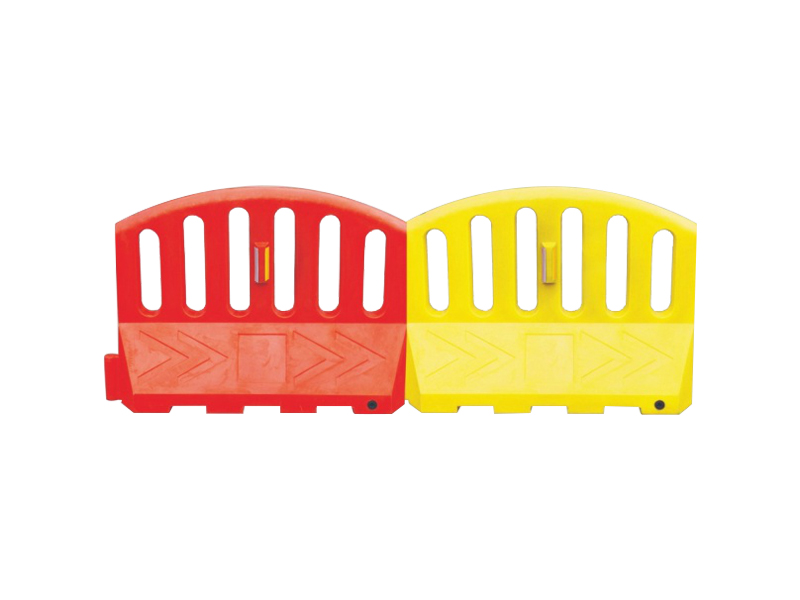
How Does an Expandable Barrier Protect Pedestrian Walkways?
Traffic management and site isolation require flexible equipment that adapts to changing conditions. An Expandable Barrier offers a practical way to guide vehicles, separate pedestrians, and organize temporary spaces without complex groundwork. Lightweight structure, water-filled stability, and bright visual guidance make it a common choice across construction zones and public events.
What Is an Expandable Barrier?
An Expandable Barrier in this context refers to a water-filled plastic road separator designed for temporary traffic and pedestrian management. Made from imported polyethylene, the structure remains lightweight before filling and gains stability after adding water. The internal cavity increases buffering capacity, helping reduce impact force during accidental contact.
Unlike fixed concrete blocks, these barriers require no digging, anchoring, or heavy machinery. They can be installed quickly and repositioned when project layouts change.
Common Challenges in Temporary Traffic Separation
Project managers often face similar issues on road or site setups:
- Road width changes frequently during construction.
- Pedestrian walkways need fast adjustment.
- Transporting heavy concrete dividers increases logisticcost.sst
- Installation time affects the project schedule. ules
- Equipment must perform under rain, heat, and wind.
Traditional concrete piers are heavy and difficult to relocate. Steel fences require ground fixing. In contrast, a modular Expandable Barrier system responds better to temporary scenarios.
How Water-Filled Design Improves Stability
The key feature of this barrier is its water chamber. Before filling, units are easy to carry and stack. After filling, the weight increases significantly, providing ground grip and resistance against movement.
Polyethylene material offers flexibility. When impacted, the structure absorbs part of the force through elastic buffering rather than cracking like rigid materials. This characteristic helps reduce damage to vehicles and the barrier itself.
Tandem connection design allows multiple units to interlock. When connected in a line, overall bearing performance improves, creating a continuous separation wall.
Installation Without Ground Damage
Construction sites often avoid permanent surface changes. Drilling, anchoring, or cutting pavement adds cost and requires repair work later. A water-filled Expandable Barrier eliminates that concern.
Units are placed directly on the road surface. Water is added through an inlet cap. When the project phase changes, water is drained, and barriers are relocated. This process saves labor time and avoids damage to existing road structures.
Transportation is also simpler. Stacked empty units occupy less space in trucks, lowering freight expenses compared to concrete alternatives.
Material Durability and Weather Resistance
Outdoor equipment must handle rain, sunlight, and temperature variation. Imported polyethylene provides resistance to UV exposure and moisture. The structure does not rust or corrode, unlike metal barriers.
Long service life reduces replacement frequency. Color options meet road marking requirements, allowing clear differentiation between zones. Reflective films enhance visibility during low-light conditions.
Because the material maintains flexibility after water filling, the barrier retains buffering capacity even in fluctuating temperatures.
Why Manufacturing Experience Matters
Production experience influences mold accuracy, material blending, and structural balance. An experienced Expandable Barrier Manufacturer understands how wall thickness affects elasticity and impact absorption.
Well-designed internal chambers distribute water evenly, preventing imbalance when installed on uneven surfaces. Stable base geometry reduces tipping risk under wind conditions.
Technical knowledge gained from road construction and event applications helps refine product structure over time.
ZHEJIANG LUBA TRAFFIC TECHNOLOGY CO., LTD. * TRAFFIC SAFETY, WE LEAD EVERY STEP * ZHEJIANG LUBA TRAFFIC TECHNOLOGY CO., LTD. * TRAFFIC SAFETY, WE LEAD EVERY STEP * ZHEJIANG LUBA TRAFFIC TECHNOLOGY CO., LTD. * TRAFFIC SAFETY, WE LEAD EVERY STEP * ZHEJIANG LUBA TRAFFIC TECHNOLOGY CO., LTD.
ZHEJIANG LUBA TRAFFIC TECHNOLOGY CO., LTD. * TRAFFIC SAFETY, WE LEAD EVERY STEP * ZHEJIANG LUBA TRAFFIC TECHNOLOGY CO., LTD. * TRAFFIC SAFETY, WE LEAD EVERY STEP * ZHEJIANG LUBA TRAFFIC TECHNOLOGY CO., LTD. * TRAFFIC SAFETY, WE LEAD EVERY STEP * ZHEJIANG LUBA TRAFFIC TECHNOLOGY CO., LTD.

Zhejiang Luba Traffic Technology Co., Ltd. has been dedicated to the R&D and production of rubber and plastic products in the traffic facilities field since its establishment in 2001.
- (+86) 15724246878
- [email protected]
- No.399 West Guangming Road, Sanmen, Taizhou, Zhejiang, China.
Contact us to get our latest product information.
Copyright © Zhejiang Luba Traffic Technology Co.,Ltd. Rights Reserved.

Rubber Speed Hump Supplier