
 英语
英语 中文简体
中文简体 西班牙语
西班牙语 俄语
俄语Navigating the transition between your driveway and the road, or overcoming a step into your garage, can be a daily source of anxiety for vehicle owners. That sudden scrape, the unsettling lurch – it’s more than just noise; it’s potential damage to your car’s undercarriage, suspension, or bumper. This is where the humble yet highly effective Rubber Kerb Ramp shines. Designed specifically to bridge these gaps smoothly, selecting the ideal Rubber Kerb Ramp is crucial for safety, vehicle protection, and ease of use. Here’s your comprehensive guide to making the choice.
Understanding the Core Need: Why a Rubber Kerb Ramp?
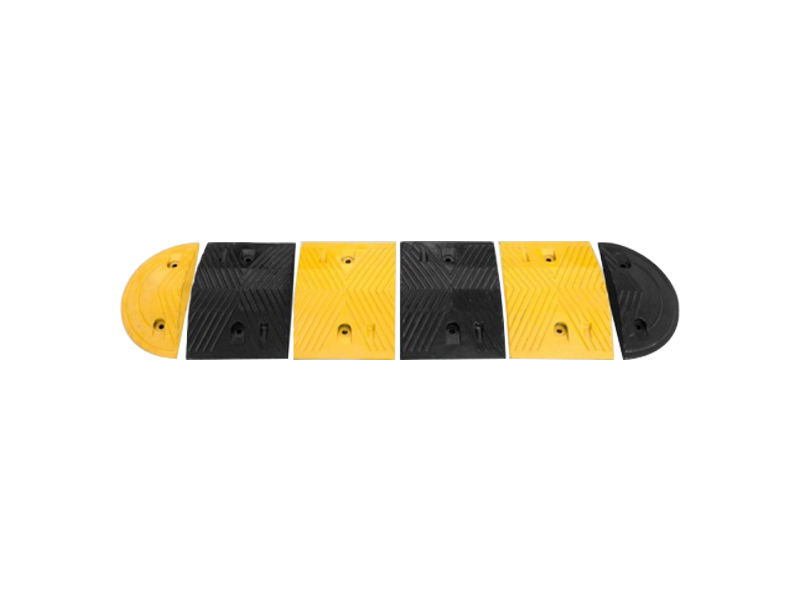
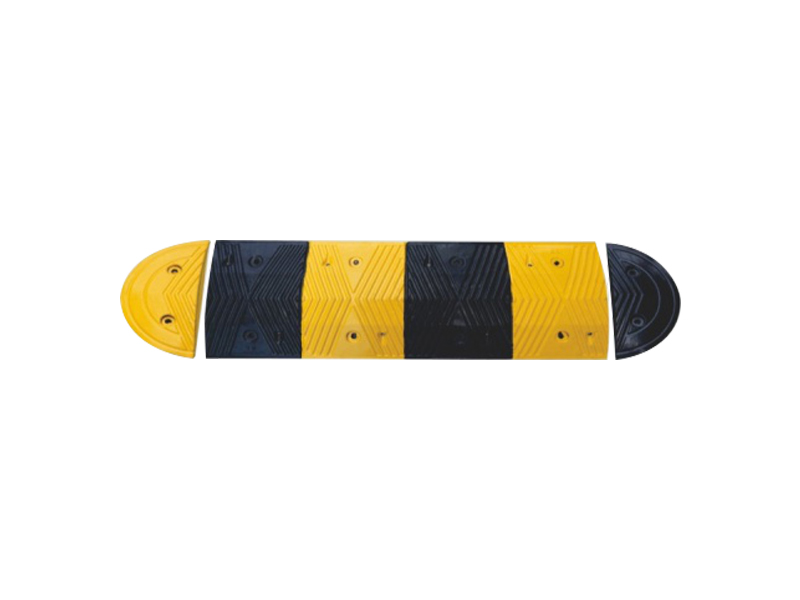
The primary purpose of a Rubber Kerb Ramp is simple: create a gentle, gradual incline over an abrupt vertical edge (a kerb or small step). This eliminates the jarring impact when wheels transition between different levels. Without a suitable Rubber Kerb Ramp, repeated scraping can to costly repairs. A properly chosen Rubber Kerb Ramp protects your vehicle's underside, reduces stress on suspension components, prevents bumper damage, and makes for a significantly smoother, quieter entry and exit. It also enhances safety for pedestrians, cyclists, and mobility devices by eliminating a potential tripping hazard.
Key Factors in Selecting Your Rubber Kerb Ramp:
Height of the Obstacle (Kerb/Step): This is the critical measurement. Accurately measure the height of the kerb or step you need to traverse. A Rubber Kerb Ramp must be tall enough at its peak to comfortably clear this height. Choosing one too low defeats its purpose, while one excessively high might be unnecessarily bulky. Rubber Kerb Ramp models clearly state their height clearance.
Vehicle Weight and Type: Consider the weight of the vehicles that will regularly use the ramp. Rubber Kerb Ramps are rated with specific weight capacities (e.g., 3 Tonne, 5 Tonne, 8 Tonne). Exceeding this capacity can deform or even collapse the ramp, creating a safety hazard. Standard cars and SUVs typically require lower ratings than larger vans, trucks, or vehicles carrying heavy loads. Always choose a Rubber Kerb Ramp with a capacity exceeding your heaviest regular vehicle's weight.
Width Requirements: Measure the width of the path your vehicle's wheels take over the kerb. The Rubber Kerb Ramp needs to be wide enough so that both wheels of an axle can comfortably roll over it simultaneously. Standard single-lane Rubber Kerb Ramps are common, but wider options or linking two ramps side-by-side might be necessary for wider vehicles or dual-wheel setups.
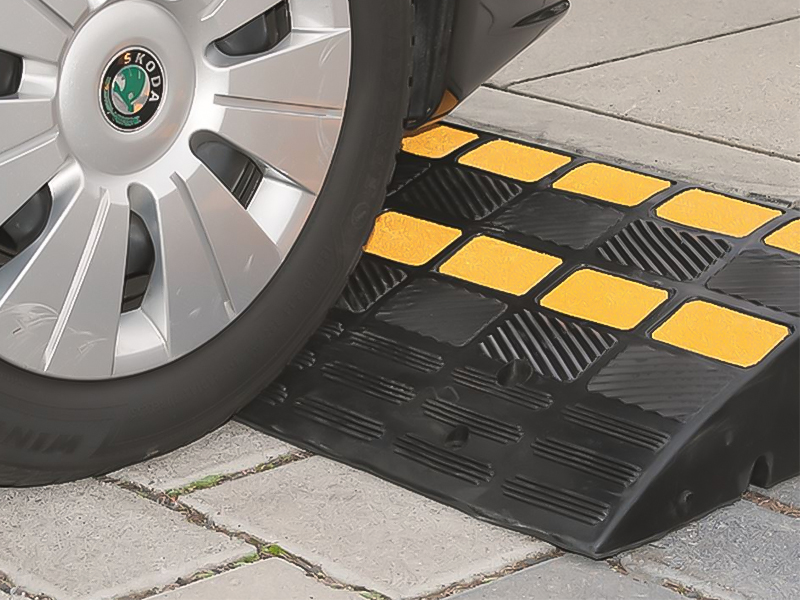
Material Quality and Durability: Not all rubber is created equal. Look for a Rubber Kerb Ramp made from high-quality, durable rubber compounds. High-density rubber offers strength and longevity. Quality materials ensure the ramp withstands constant pressure, vehicle weight, UV exposure, and harsh weather conditions without cracking, splitting, or becoming brittle. A durable Rubber Kerb Ramp is a long-term investment.
Traction and Surface Design: Safety is paramount. The surface of the Rubber Kerb Ramp must provide traction in both wet and dry conditions to prevent wheel slippage. Look for ramps with pronounced tread patterns, grooves, or a textured finish. Many feature raised chevrons or diamond plating for enhanced grip. A non-slip Rubber Kerb Ramp ensures confident transitions, especially in rain or frost.
Drainage Considerations: Water pooling on a ramp is a slip hazard and can accelerate wear. Quality Rubber Kerb Ramps often incorporate drainage holes or channels. These allow rainwater to pass through, maintaining surface traction and preventing the ramp from becoming a puddle hazard. Ensure your chosen Rubber Kerb Ramp has effective drainage if you live in a wet climate.
Portability and Storage (If Needed): While many Rubber Kerb Ramps are designed as semi-permanent fixtures, some situations require occasional movement. Consider the weight and ease of handling if you need to store the ramp when not in use. Some lighter-weight models are easier to maneuver than heavy-duty, high-capacity versions.
Visual Appeal and Blending: While function is key, aesthetics matter for many homeowners. Rubber Kerb Ramps are typically available in black or grey, which generally blend well with tarmac or concrete driveways. Choosing a colour that complements your existing surfaces helps the Rubber Kerb Ramp look like a natural part of the landscape rather than an add-on.
Installation and Maintenance:
A significant advantage of the Rubber Kerb Ramp is its straightforward installation. simply need positioning correctly against the kerb or step. Ensure the base sits flat and stable on the lower surface (driveway/road) and the incline presses firmly against the vertical face of the kerb. Some heavier models might benefit from adhesive or fixing kits on very smooth surfaces, but gravity and vehicle weight often suffice. Periodically check the Rubber Kerb Ramp for deb
ris in the drainage holes, ensure it hasn’t shifted position, and clean it with water to maintain good traction.
Investing in the Right Solution
Choosing the correct Rubber Kerb Ramp isn't just about convenience; it's about protecting your valuable vehicle investment and ensuring safe, hassle-free access to your property. By carefully considering the height of your kerb, the weight of your vehicles, the required width, and prioritizing quality materials and traction, you can confidently select the ideal Rubber Kerb Ramp for your driveway or garage. The right Rubber Kerb Ramp transforms a daily obstacle into a seamless transition, offering peace of mind and safeguarding your car for years to come. Measure carefully, prioritize durability and safety specifications, and enjoy the smooth ride a well-chosen Rubber Kerb Ramp provides.
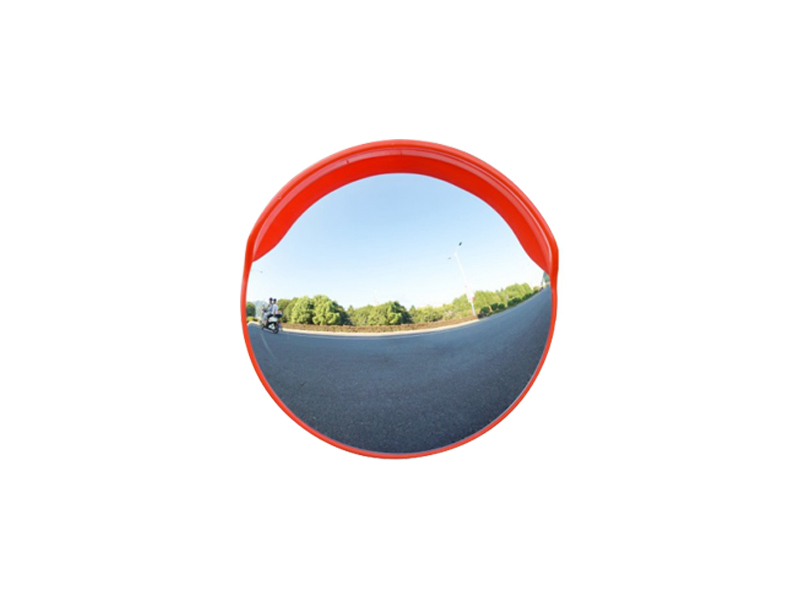
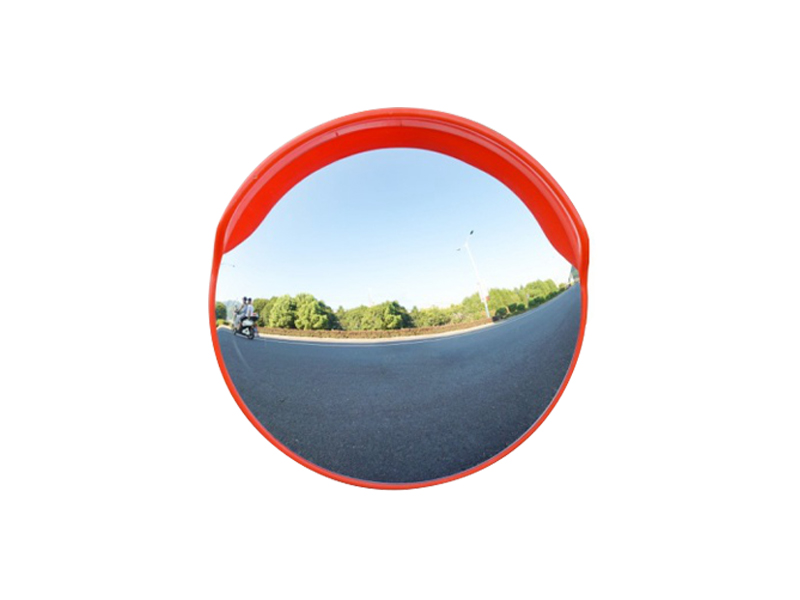
.jpg "Road Safety PC Rubber Small Convex Mirror 30cm")