
 英语
英语 中文简体
中文简体 西班牙语
西班牙语 俄语
俄语As the Belt and Road Initiative (BRI) continues to expand its reach across Asia, Africa, and parts of Europe, a wave of urban infrastructure projects is reshaping cityscapes in developing nations. From large-scale transportation hubs to small but critical accessibility upgrades, every component plays a role in creating more inclusive, connected environments. One such component, often overlooked but increasingly essential, is the Rubber Kerb Ramp.
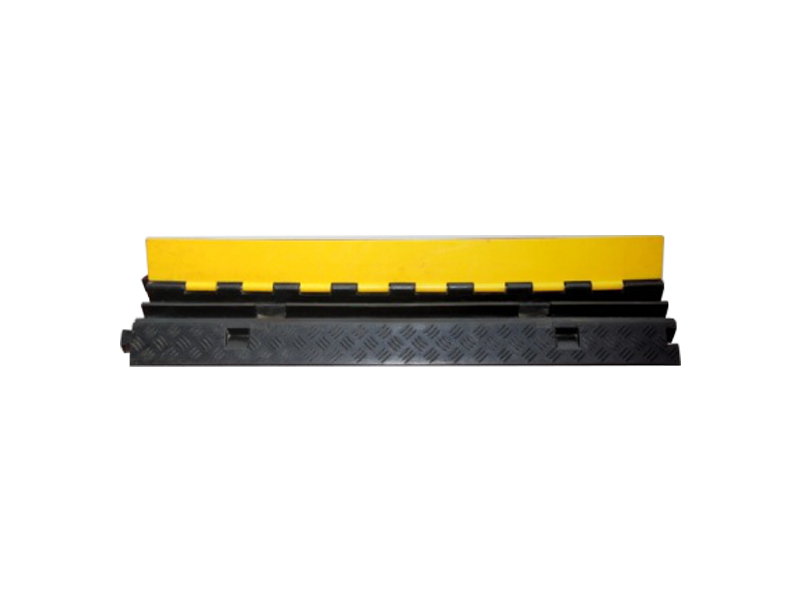
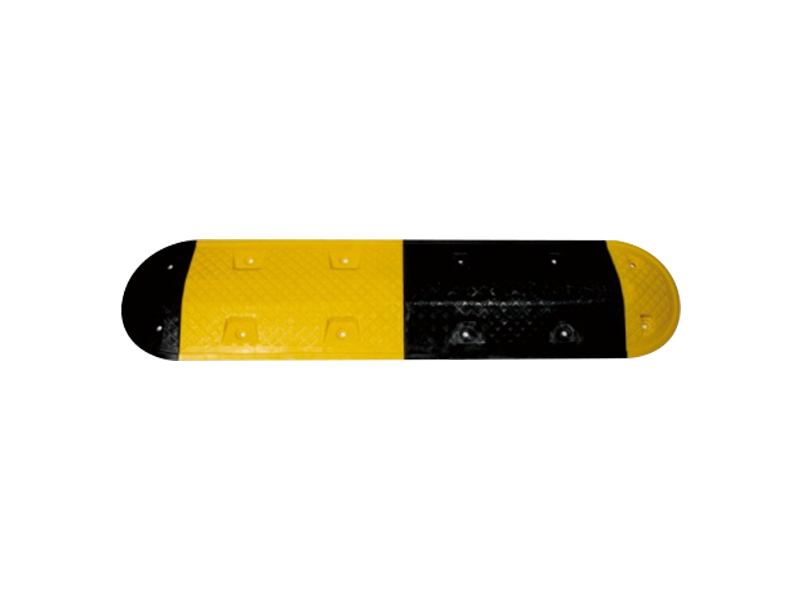
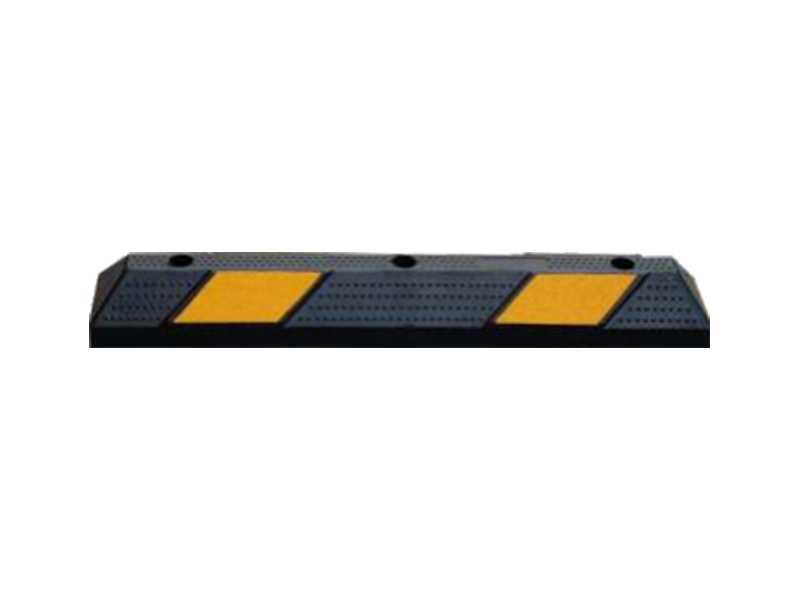
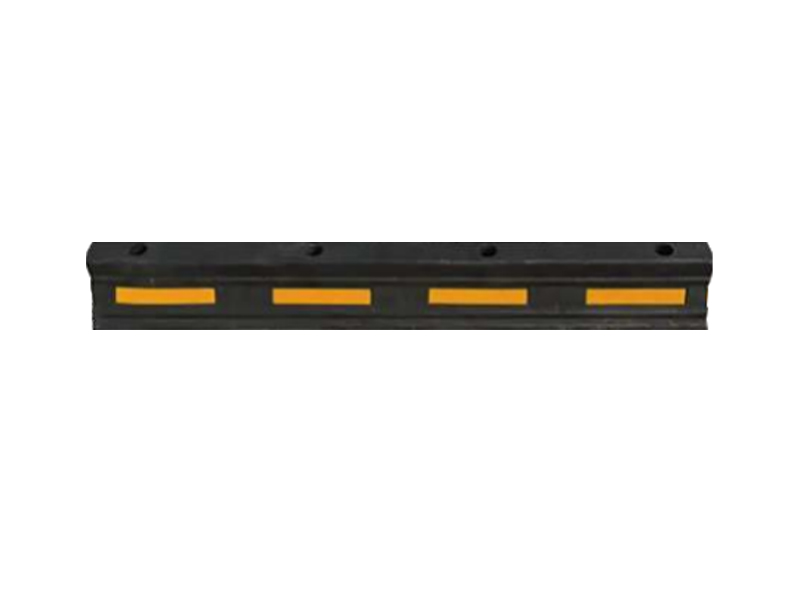
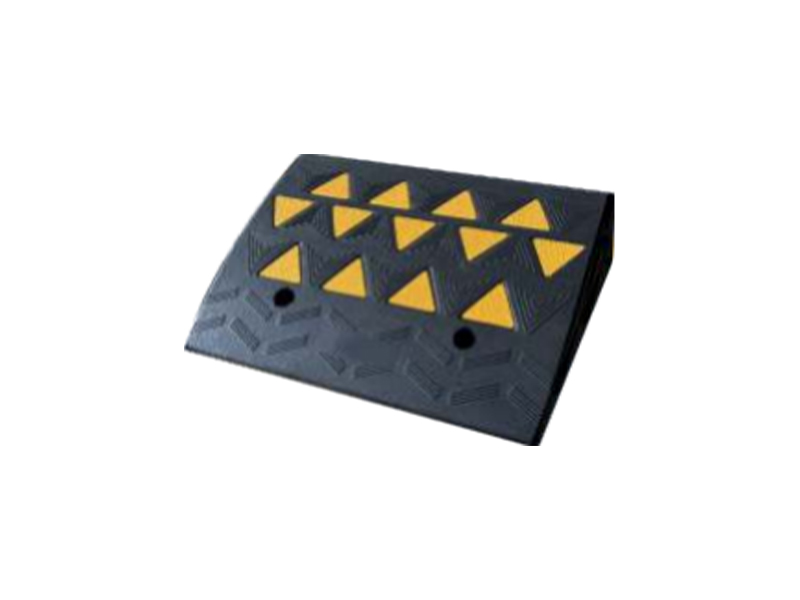
The Rubber Kerb Ramp serves a fundamental function: it bridges the height gap between sidewalks and roads, enabling smoother passage for wheelchairs, bicycles, trolleys, and other wheeled transport. While seemingly minor in the scope of infrastructure development, the Rubber Kerb Ramp has emerged as a quiet enabler of mobility in dozens of cities influenced by BRI projects.
Enhancing Accessibility in Ethiopia
In Addis Ababa, Ethiopia—a key partner in BRI infrastructure planning—a citywide initiative has been launched to improve pedestrian access in preparation for several new light rail and bus corridors. Part of this initiative includes the installation of over 3,000 Rubber Kerb Ramps across residential and commercial zones. City engineers selected Rubber Kerb Ramps due to their ease of deployment, cost-effectiveness, and ability to be relocated as needed.
“Previously, many elderly citizens and people with disabilities had difficulty moving between the pavement and the road,” said Yared Mekonnen, a local city planner. “The Rubber Kerb Ramp installation has dramatically improved accessibility in just a few weeks.”
Low-Tech Innovation, High Impact
The strength of the Rubber Kerb Ramp lies in its simplicity. Made from recycled rubber and moulded to fit standard curb heights, these ramps are both durable and environmentally friendly. In contrast to concrete ramps, which require time-consuming construction and heavy machinery, the Rubber Kerb Ramp can be installed in minutes without disrupting traffic or pedestrian movement.
In cities such as Karachi, Pakistan, and Colombo, Sri Lanka, the Rubber Kerb Ramp is being deployed as a temporary solution during sidewalk renovation. However, due to their high performance, many municipalities have opted to keep them in place permanently.
A Scalable Solution for Small Cities
Not all BRI projects are concentrated in megacities. Smaller towns such as Vientiane, Laos, and Gwadar, Pakistan, are also seeing improvements in walkability and safety thanks to the deployment of Rubber Kerb Ramps. In these areas, budget limitations make concrete infrastructure upgrades difficult. The Rubber Kerb Ramp offers a cost-effective solution that can scale according to the community's needs.
Local vendors and NGOs are also playing a role by distributing Rubber Kerb Ramps to schools and clinics. In Laos, a grassroots program facilitated by a Chinese-Lao joint venture placed more than 500 Rubber Kerb Ramps at health centers across five provinces. The result? Faster and safer access for patients arriving via ambulances and mopeds.
Rubber Kerb Ramp: Supporting Sustainability and Inclusion
As global attention increasingly turns toward green infrastructure and social inclusivity, the Rubber Kerb Ramp finds itself aligned with both priorities. It supports circular economies by utilizing recycled materials, and it directly contributes to inclusive mobility by easing access for people with disabilities.
Moreover, the Rubber Kerb Ramp is now being seen not just as a product but as a principle—one that values small interventions as key parts of a much larger vision. For example, a recent infrastructure report by a Southeast Asian development agency listed the Rubber Kerb Ramp as one of the “top five low-cost, high-impact mobility tools” implemented in 2024.
Looking Ahead
As Belt and Road projects continue to evolve, the role of the Rubber Kerb Ramp is expected to grow. Its utility in enabling mobility, supporting sustainability, and addressing infrastructure gaps in underserved areas makes it a quiet yet vital part of development strategies.
Whether it's improving wheelchair access at a rural school or helping street vendors move their carts more safely, the Rubber Kerb Ramp proves that impactful innovation doesn't always come in massive packages. Sometimes, progress comes in the form of a simple, rubber slope—soft underfoot, firm in its purpose, and essential to inclusive infrastructure.