
 英语
英语 中文简体
中文简体 西班牙语
西班牙语 俄语
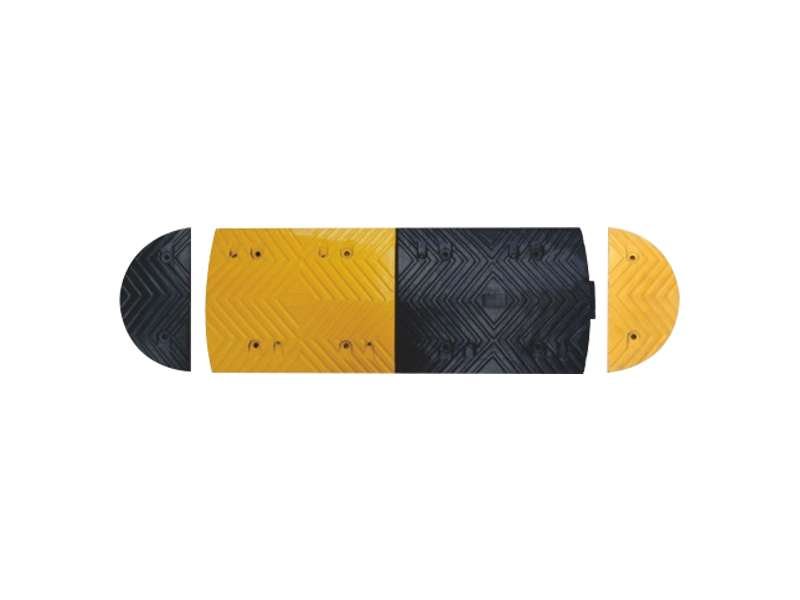
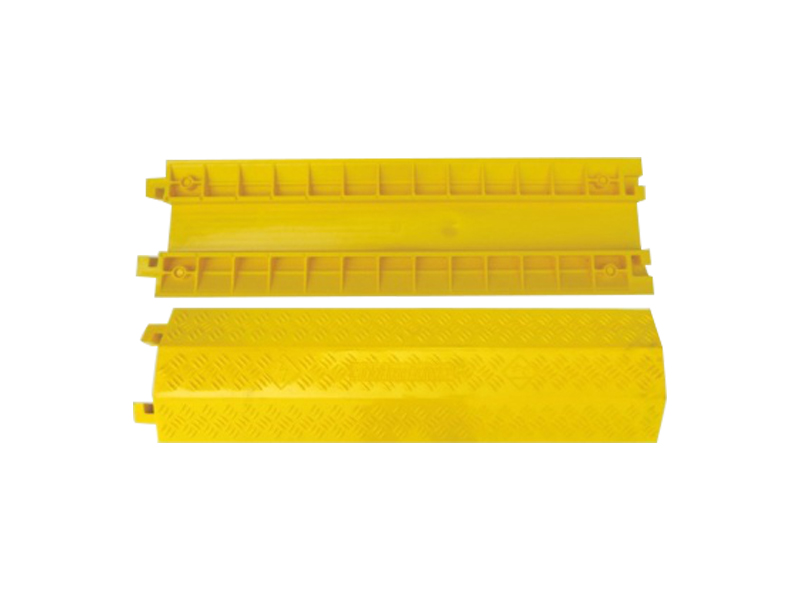
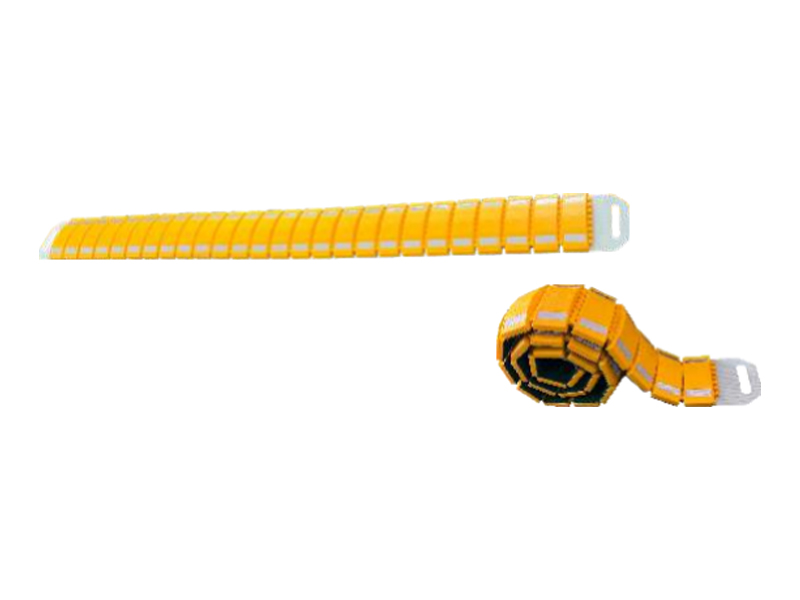
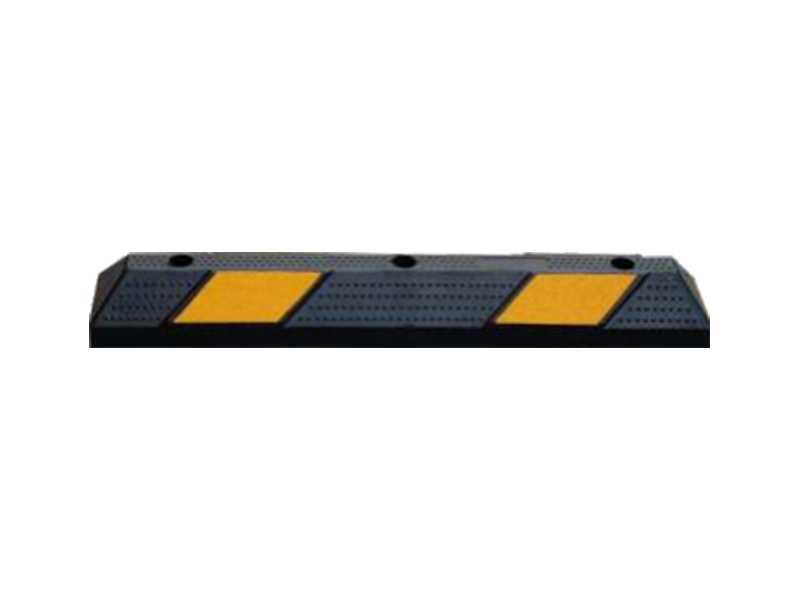
俄语In the ever-evolving landscape of urban development and transportation infrastructure, the need for efficient, durable, and safe solutions has never been more critical. One such solution that has gained significant attention is the Rubber Kerb Ramp. These ramps are not only designed to provide easy access for vehicles and pedestrians but also to enhance safety and reduce environmental impact. Today, we delve into the world of Rubber Kerb Ramps, exploring their composition, load-bearing capabilities, and slip-resistance features.
The Composition of Rubber Kerb Ramps
Rubber Kerb Ramps are primarily constructed from high-quality rubber materials, often sourced from recycled tires. This innovative use of recycled rubber not only gives new life to discarded tires but also offers several benefits in terms of durability and environmental sustainability. The rubber used in these ramps is carefully processed to ensure it meets stringent quality standards. As mentioned on the official website of Zhejiang Luba Traffic Technology Co., Ltd., a manufacturer of traffic safety products, the company utilizes top-notch raw materials. It maintains a testing lab equipped with advanced inspection devices. This commitment to quality ensures that each Rubber Kerb Ramp is built to withstand the rigors of daily use.
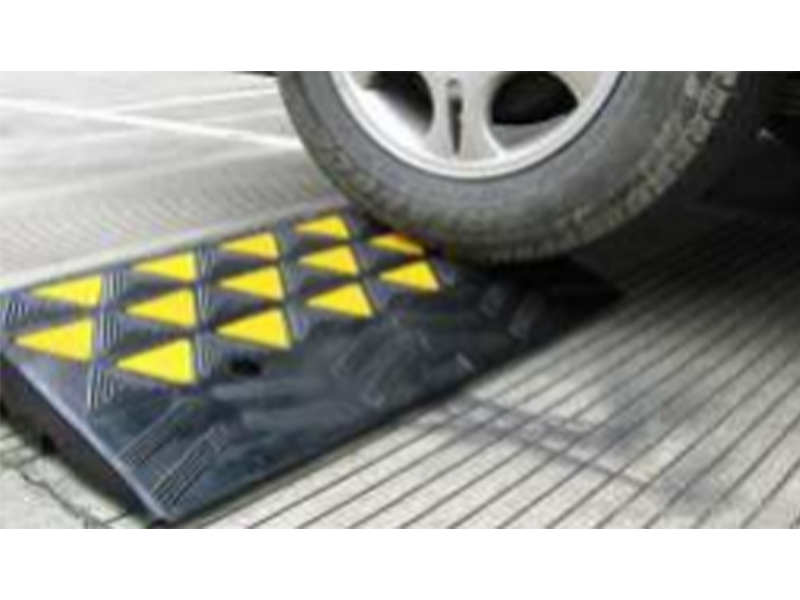
The use of rubber as the primary material for these ramps provides several advantages. Rubber is known for its flexibility and resilience, which allows the ramps to absorb shocks and vibrations effectively. This feature is particularly important in areas with heavy traffic or where vehicles frequently move over the ramps. Additionally, rubber is resistant to weather-related degradation, making Rubber Kerb Ramps suitable for use in various climates.
Load-Bearing Capabilities of Rubber Kerb Ramps
One of the critical aspects of any ramp is its ability to support the weight of vehicles and other equipment. Rubber Kerb Ramps are designed to meet this challenge head-on. According to industry standards and the specifications provided by manufacturers like Luba, these ramps are engineered to handle substantial loads. Some models can support weights of up to 20 tons, making them suitable for a wide range of applications, from small passenger vehicles to large commercial trucks.
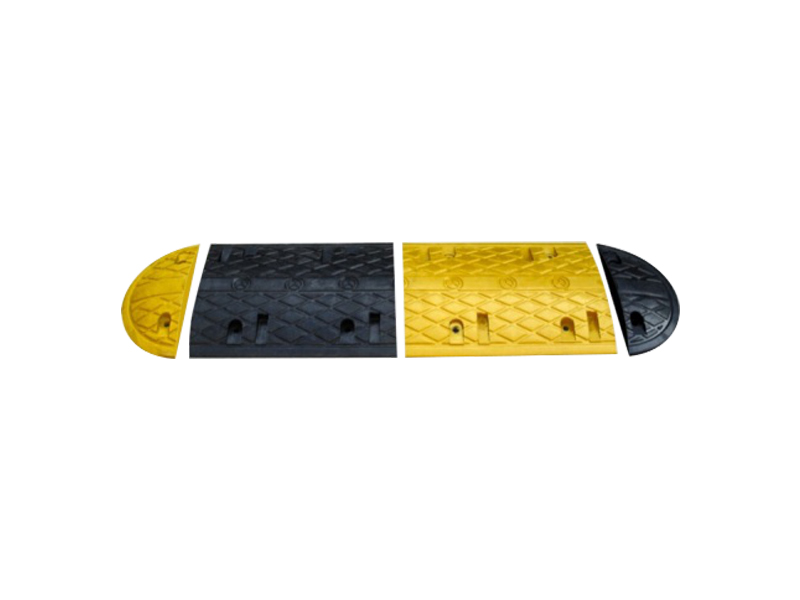
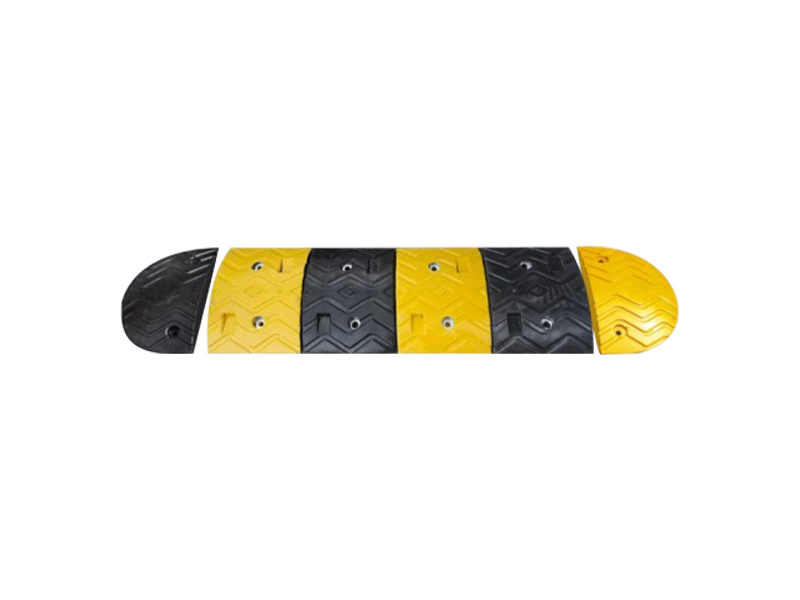
The load-bearing capacity of Rubber Kerb Ramps is achieved through a combination of material strength and innovative design. The rubber material used is reinforced with steel or other durable materials to enhance its structural integrity. This reinforcement ensures that the ramps remain stable and secure under heavy loads. Moreover, the design of the ramps often includes features such as textured surfaces and embedded channels to distribute the weight evenly, further enhancing their load-bearing capabilities.
Slip-Resistance Features of Rubber Kerb Ramps
Safety is a paramount concern in the design and manufacture of Rubber Kerb Ramps. One of the key safety features of these ramps is their slip resistance. The rubber material used in the construction of these ramps is inherently slip-resistant, providing a secure surface for both vehicles and pedestrians. This slip resistance is further enhanced through the use of textured surfaces, which increase the friction between the ramp and the tires or shoes of those using it.
The importance of slip resistance cannot be overstated, especially in areas with varying weather conditions. Whether it is rain, snow, or ice, Rubber Kerb Ramps are designed to provide a reliable and safe surface. This feature is particularly beneficial in public spaces, parking lots, and other areas where pedestrians and vehicles frequently interact. By reducing the risk of slips and falls, Rubber Kerb Ramps contribute to a safer and more accessible environment for all.
Applications and Benefits of Rubber Kerb Ramps
The versatility of Rubber Kerb Ramps makes them suitable for a wide range of applications. They are commonly used in public parking lots, commercial properties, and construction sites to provide easy access for vehicles and equipment. Additionally, Rubber Kerb Ramps are increasingly being used in residential areas to facilitate the movement of wheelchairs and other mobility devices, promoting accessibility and inclusivity.
The benefits of Rubber Kerb Ramps extend beyond their functional capabilities. Their use of recycled rubber contributes to environmental sustainability by reducing waste and conserving natural resources. Moreover, the durability and low-maintenance nature of these ramps make them a cost-effective solution for property owners and managers. With a lifespan that often exceeds that of traditional concrete or metal ramps, Rubber Kerb Ramps offer long-term value and reliability.
Rubber Kerb Ramps represent a significant advancement in transportation infrastructure. Their composition of high-quality rubber materials, combined with their impressive load - bearing capabilities and slip - resistance features, make them a reliable and safe solution for a variety of applications. As urban environments continue to evolve, the need for innovative and sustainable solutions like Rubber Kerb Ramps will only grow. By choosing Rubber Kerb Ramps, property owners and managers can enhance safety, promote accessibility, and contribute to a more sustainable future.
.jpg "Road Safety PC Rubber Small Convex Mirror 30cm")