

 English
 简体中文
简体中文 Русский
 Español
ZHEJIANG LUBA TRAFFIC TECHNOLOGY CO., LTD. * TRAFFIC SAFETY, WE LEAD EVERY STEP * ZHEJIANG LUBA TRAFFIC TECHNOLOGY CO., LTD. * TRAFFIC SAFETY, WE LEAD EVERY STEP * ZHEJIANG LUBA TRAFFIC TECHNOLOGY CO., LTD. * TRAFFIC SAFETY, WE LEAD EVERY STEP * ZHEJIANG LUBA TRAFFIC TECHNOLOGY CO., LTD.
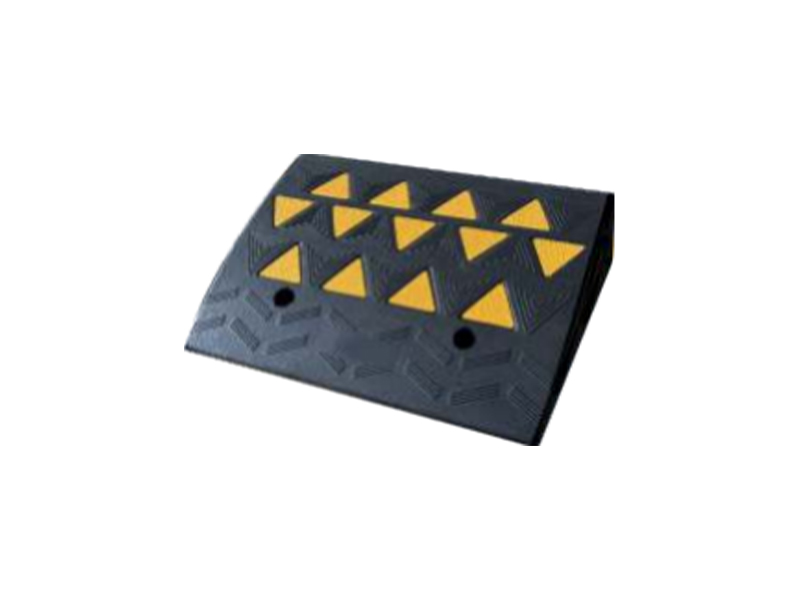
Rubber Kerb Ramp vs. Plastic Ramp: Which One Is Better for Your Driveway?
When it comes to improving accessibility and convenience around your home, driveway ramps are an essential tool. Whether you need to move heavy furniture, push a stroller, or simply make it easier for vehicles to get in and out, choosing the right ramp is crucial. Two popular options on the market are rubber kerb ramps and plastic ramps. Each has its own set of advantages and drawbacks, and understanding these differences can help you make the decision for your driveway.
One of the significant factors to consider when choosing a driveway ramp is its durability. Rubber kerb ramps are renowned for their robustness. Made from high-quality rubber compounds, these ramps can withstand heavy loads and frequent use without showing signs of wear and tear. Rubber is naturally resistant to weather conditions, including rain, snow, and temperatures, making it an ideal material for outdoor use.
On the other hand, plastic ramps can be more susceptible to damage. While they are lightweight and easy to move, plastic can crack or warp over time, especially when exposed to prolonged sunlight or heavy loads. This means that plastic ramps may need to be replaced more frequently than rubber kerb ramps, which can be a significant consideration in terms of long-term cost and convenience.
Safety is another critical aspect when choosing a driveway ramp. Rubber kerb ramps offer traction, thanks to their textured surface. This ensures that vehicles, wheelchairs, and even pedestrians can move safely up and down the ramp without slipping. The rubber material also provides a non-slip surface, which is particularly important in wet or icy conditions.
Plastic ramps, while generally safe, may not offer the same level of grip. In slippery conditions, plastic can become more slick, potentially to accidents. Additionally, rubber kerb ramps are less likely to shift or move under heavy loads, providing a stable and secure surface.
Ease of Installation and Portability
Both rubber kerb ramps and plastic ramps are relatively easy to install. However, rubber kerb ramps often come with additional features that make them more versatile. Many rubber kerb ramps are designed to fit snugly against the kerb, ensuring a smooth transition from the driveway to the street. They are also available in various sizes and lengths, allowing you to choose the fit for your specific needs.
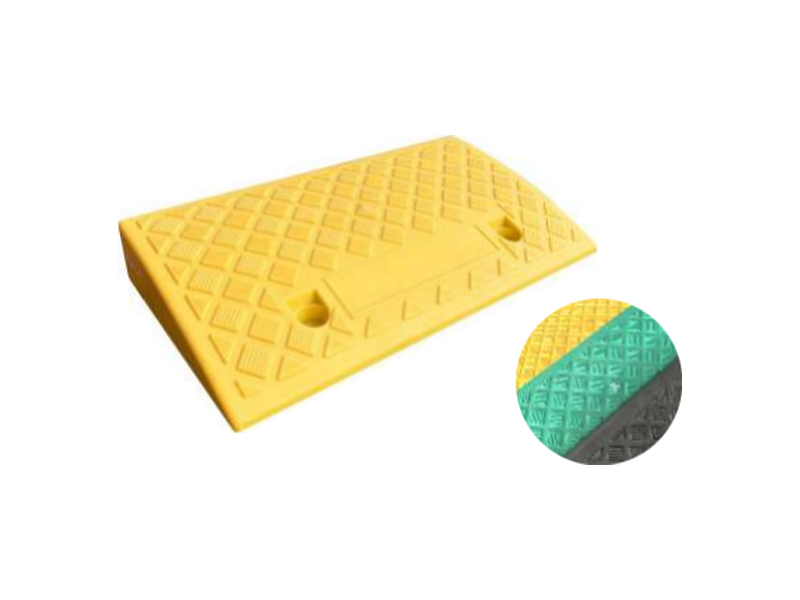
Plastic ramps are generally lightweight and easy to carry, which can be an advantage if you need to move the ramp frequently. However, their lighter weight can also mean they are less stable and may require additional securing to prevent them from shifting.
Aesthetic Appeal
The appearance of your driveway ramp can also play a role in your decision. Rubber kerb ramps are available in a variety of colors and finishes, allowing you to choose a ramp that complements your home's exterior. The natural rubber material also has a more refined appearance compared to plastic, which can sometimes look cheap or out of place.
Plastic ramps, while functional, may not offer the same level of aesthetic appeal. Their glossy finish and limited color options can make them stand out in a way that may not be desirable for some homeowners.
Cost Considerations
When it comes to cost, plastic ramps are generally cheaper upfront. This can be an attractive option for those on a tight budget. However, it is important to consider the long-term value. Rubber kerb ramps, while more expensive initially, are likely to last longer and require fewer replacements. This means that over time, the cost per use may actually be lower with a rubber kerb ramp.
Environmental Impact
For those concerned about the environment, rubber kerb ramps offer a more sustainable option. Many rubber kerb ramps are made from recycled materials, reducing their environmental footprint. Additionally, their durability means they are less likely to end up in landfills compared to plastic ramps, which may need to be replaced more frequently.
In conclusion, while both rubber kerb ramps and plastic ramps have their own set of advantages, rubber kerb ramps generally offer a more durable, safe, and aesthetically pleasing solution. Their ability to withstand heavy loads and harsh weather conditions, combined with their non-slip surface and long lifespan, makes them an investment for any driveway.
When choosing a ramp, consider not just the initial cost but also the long-term benefits. Rubber kerb ramps may be more expensive upfront, but their durability and low maintenance requirements make them a cost-effective choice in the long run. Additionally, their environmental benefits and aesthetic appeal cannot be overlooked.
Ultimately, the choice between a rubber kerb ramp and a plastic ramp depends on your specific needs and priorities. However, if you value durability, safety, and long-term value, a rubber kerb ramp is likely the better option for your driveway.
ZHEJIANG LUBA TRAFFIC TECHNOLOGY CO., LTD. * TRAFFIC SAFETY, WE LEAD EVERY STEP * ZHEJIANG LUBA TRAFFIC TECHNOLOGY CO., LTD. * TRAFFIC SAFETY, WE LEAD EVERY STEP * ZHEJIANG LUBA TRAFFIC TECHNOLOGY CO., LTD. * TRAFFIC SAFETY, WE LEAD EVERY STEP * ZHEJIANG LUBA TRAFFIC TECHNOLOGY CO., LTD.
ZHEJIANG LUBA TRAFFIC TECHNOLOGY CO., LTD. * TRAFFIC SAFETY, WE LEAD EVERY STEP * ZHEJIANG LUBA TRAFFIC TECHNOLOGY CO., LTD. * TRAFFIC SAFETY, WE LEAD EVERY STEP * ZHEJIANG LUBA TRAFFIC TECHNOLOGY CO., LTD. * TRAFFIC SAFETY, WE LEAD EVERY STEP * ZHEJIANG LUBA TRAFFIC TECHNOLOGY CO., LTD.

Zhejiang Luba Traffic Technology Co., Ltd. has been dedicated to the R&D and production of rubber and plastic products in the traffic facilities field since its establishment in 2001.
- (+86) 15724246878
- [email protected]
- No.399 West Guangming Road, Sanmen, Taizhou, Zhejiang, China.
Contact us to get our latest product information.
Copyright © Zhejiang Luba Traffic Technology Co.,Ltd. Rights Reserved.

Rubber Speed Hump Supplier