
 英语
英语 中文简体
中文简体 西班牙语
西班牙语 俄语
俄语Warning posts are essential tools for enhancing visibility, guiding traffic, and promoting safety in both public and private spaces. Their function goes beyond simple markers—they serve as visual alerts to prevent accidents, indicate hazards, and guide pedestrian and vehicle movement. This practical guide explores when and where you should use a warning post, highlighting various applications across industries and environments.
A warning post is typically a vertical structure made from durable materials such as plastic, rubber, or metal, often with reflective strips or bright colors. These posts are designed to catch attention and signal caution, particularly in areas where visibility may be compromised or where potential hazards exist. The strategic placement of warning posts plays a significant role in accident prevention and property protection.
One of the common uses of a warning post is in roadside safety. On highways, local streets, or near intersections, warning posts alert drivers to changing road conditions, lane merges, or upcoming construction zones. In these settings, the reflective surface of the warning post ensures visibility at night or during adverse weather. Municipalities frequently install warning posts to indicate curbs, pedestrian crossings, or sharp turns, all in the interest of reducing traffic incidents.
Construction zones also heavily rely on warning posts to maintain a secure work environment. These posts are used to separate work areas from traffic lanes or to indicate no-entry zones for unauthorized personnel. On active construction sites, temporary warning posts help keep both workers and the general public safe by providing clear visual boundaries. In areas with heavy machinery, warning posts can also be used to mark blind spots or pedestrian pathways.
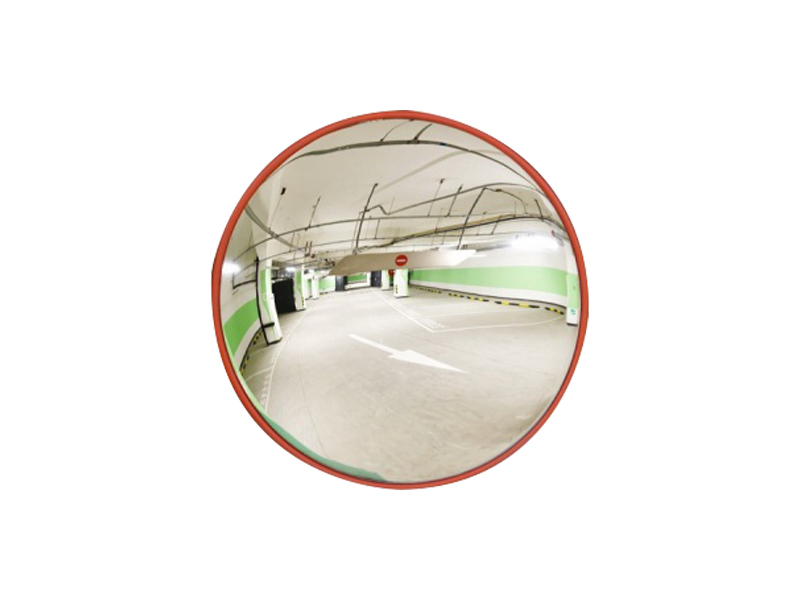
In parking lots, a warning post can help manage vehicle flow, indicate reserved areas, or warn against hazards such as low-clearance ceilings or sharp turns. Both permanent and removable warning posts are suitable for parking garages, shopping center lots, and private parking areas. Removable models are especially useful for temporary events or to restrict access during off-hours.
Warehouses and industrial facilities use warning posts to improve internal traffic management. These posts are placed near loading docks, corners, or equipment areas to prevent collisions between forklifts, pallet jacks, and employees. High-visibility warning posts reduce the risk of workplace accidents and help guide movement in environments with limited visibility.
Another ideal location for a warning post is residential and private property. Homeowners often install them near driveways, garden areas, or private roads to prevent unauthorized parking or to protect landscaping features. In rural areas, warning posts are useful for marking hidden entrances or alerting vehicles to the presence of animals or farm equipment on the road.

In event management, warning posts help control pedestrian flow, form queues, and restrict access to sensitive or restricted areas. Whether at a sports venue, concert, or public festival, using warning posts ensures order and enhances crowd safety. Their portable nature makes them easy to install and remove as needed.
Weather conditions also influence the placement of warning posts. In regions prone to snow, ice, or flooding, these posts can highlight hazardous zones, temporary water levels, or buried infrastructure. Snowplow drivers, for example, rely on warning posts to identify the boundaries of roads or pathways during low-visibility conditions.
When choosing a warning post, consider factors such as material durability, height, reflective elements, and base stability. For long-term outdoor use, UV- and weather-resistant posts are recommended. In high-traffic areas, flexible posts that bend upon impact help prevent damage to vehicles while still maintaining visibility.
In conclusion, the use of a warning post is not limited to one environment or industry. Whether for traffic safety, construction management, industrial use, or residential protection, warning posts serve a vital purpose. By understanding when and where to use them effectively, organizations and individuals can significantly improve safety, organization, and hazard awareness in any setting.